We recently crossed off our final California national parks by spending several days in both Sequoia National Park and Kings Canyon National Park.
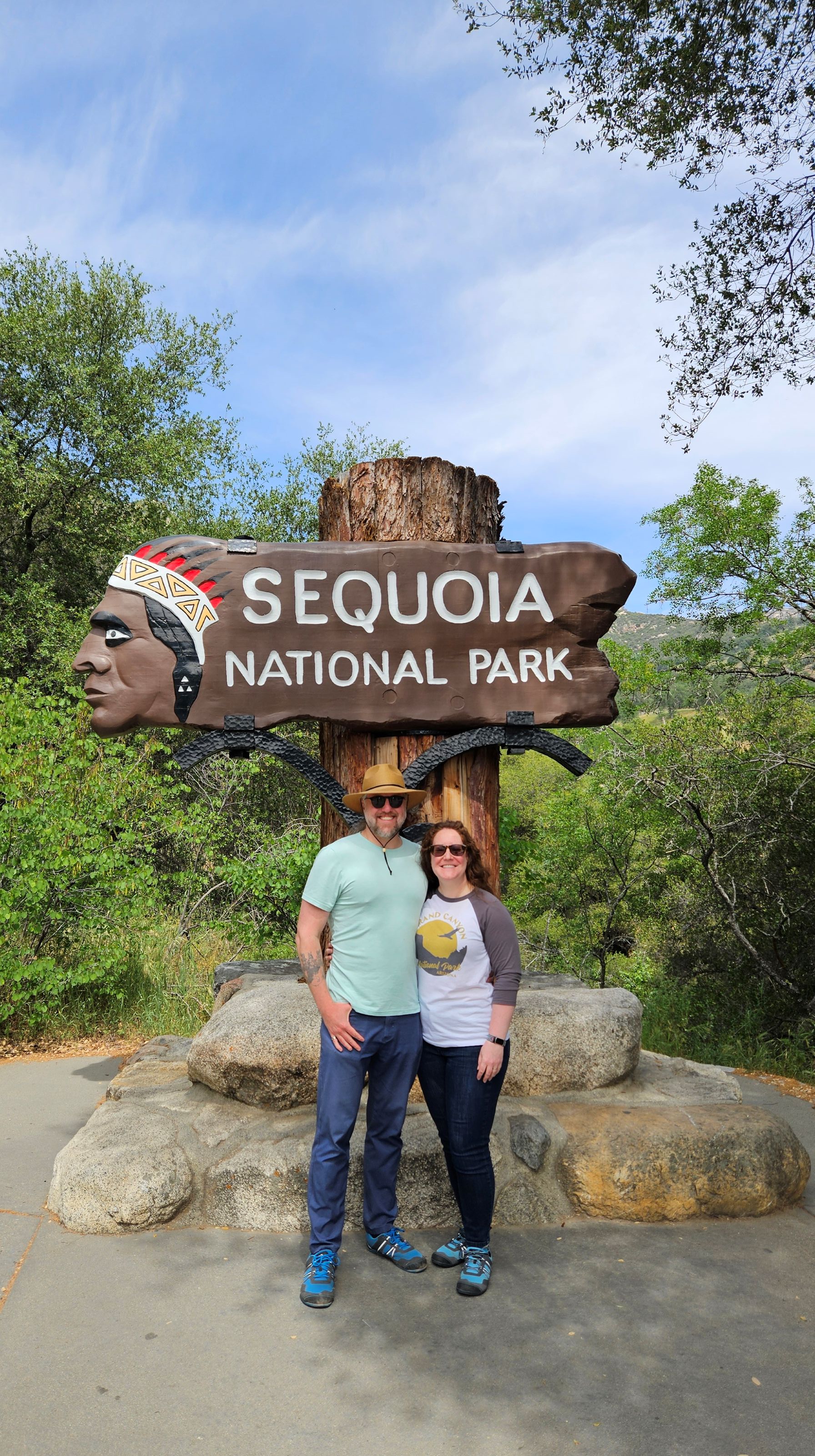
We began our time in Sequoia National Park and stayed in Three Rivers near the park’s south entrance so we could make the most of our three days. The location was great for a multi-day stay – we didn’t have to waste time commuting, and we were within walking distance of a number of eateries.
Happily we arrived at the park earlier than I expected after our drive over from Death Valley National Park. Because we were able to squeeze in more than I had anticipated on day one, we were able to spend our other two days focusing on longer hikes that allowed us to see more of the park (at least more of the parts that were open – we were early enough in the spring that a number of areas were still closed due to snow).
Itinerary Considerations: If you only want to hit the highlights, a two-day itinerary is likely sufficient. We had no trouble filling three days since we wanted to incorporate longer hikes, and we likely would have needed one more day if the other areas of the park had been open. Below is a brief recap of how we spend our three days.
Day 1: Foothills Visitor Center, General Sherman Tree, Giant Forest Museum and Big Trees Trail
We always like to start our time in the parks at the visitor centers and this was no exception. While the Foothills Visitor Center didn’t have a ton of amenities, it did have some information about the great sequoias, very helpful rangers who pointed us to the open areas of the park and recommended hikes, a small gift shop, and clean toilets.
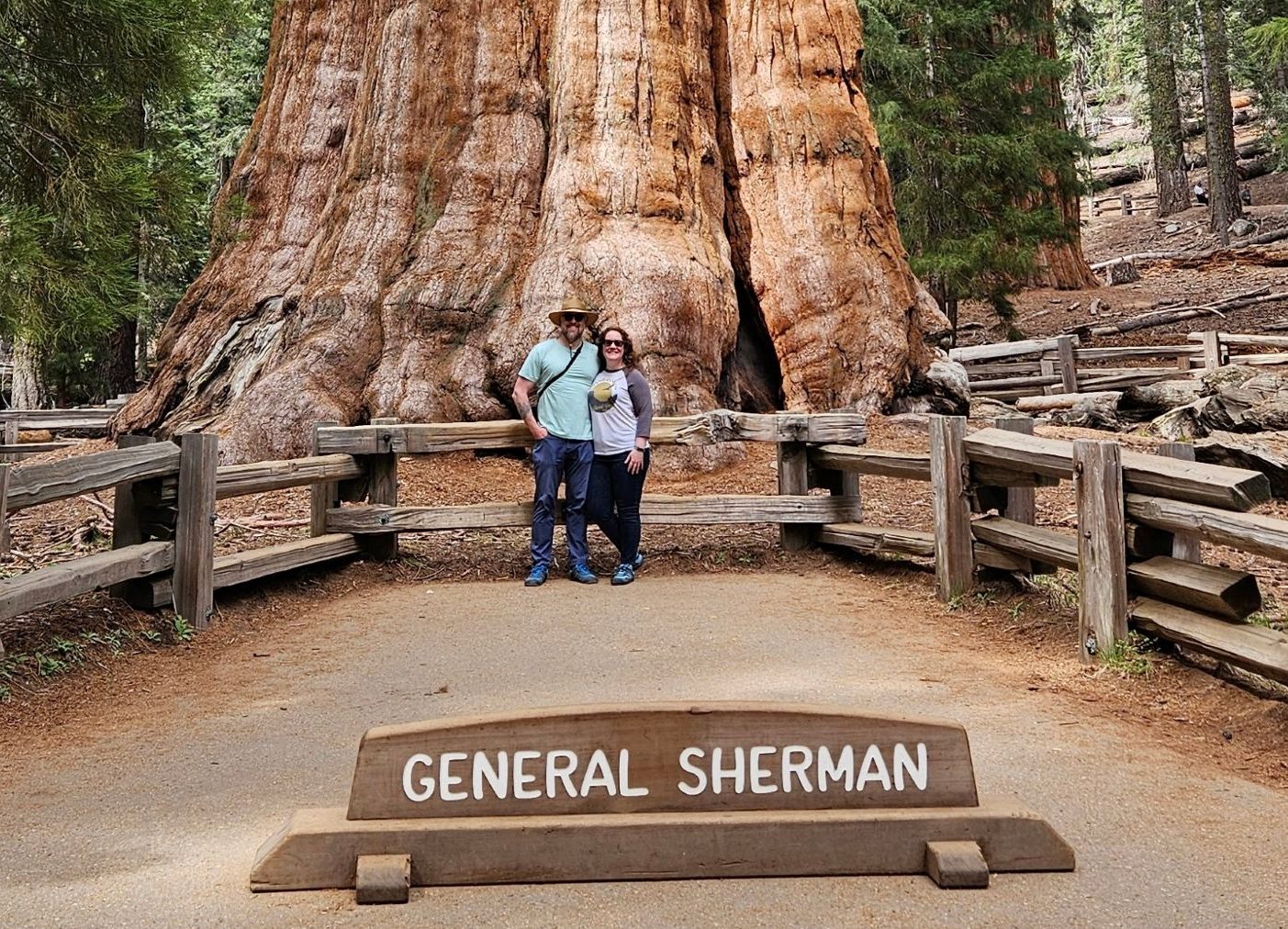
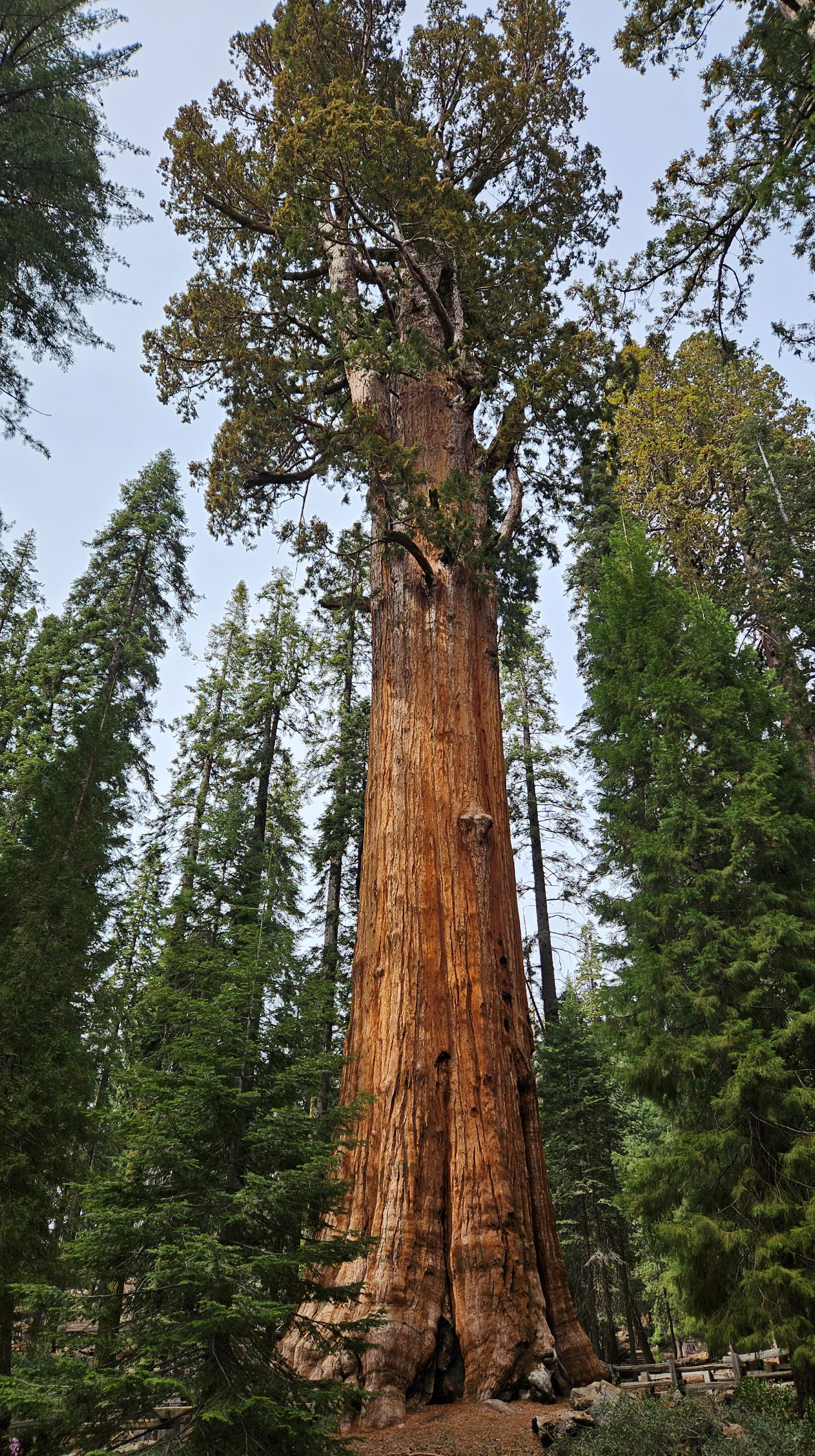
Our first stop was Hospital Rock Picnic Area where we enjoyed a quick, shady lunch before heading to the parking area closest to General Sherman – the largest tree in the world. This area was understandably packed so we hiked down to the grove, took a quick picture, and then relocated to the Giant Forest Museum so we could take a more leisurely and less crowded walk among these magnificent trees.
The Giant Forest Museum had information on the sequoias, a large parking area, and access to a number of nearby trails. Thanks to the exhibits inside, we learned that:
- Sequoias are the largest trees by volume on Earth
- They are thick for much of their height (unlike other confirs that narrow toward the top)
- There are 36 groves in this section of the Sierra Nevadas in a 60-mile-long belt between 5,000 and 7,000 feet
- These trees have shallow root systems and no tap root so they primarily die by falling over due to soil changes, root damage, and wind
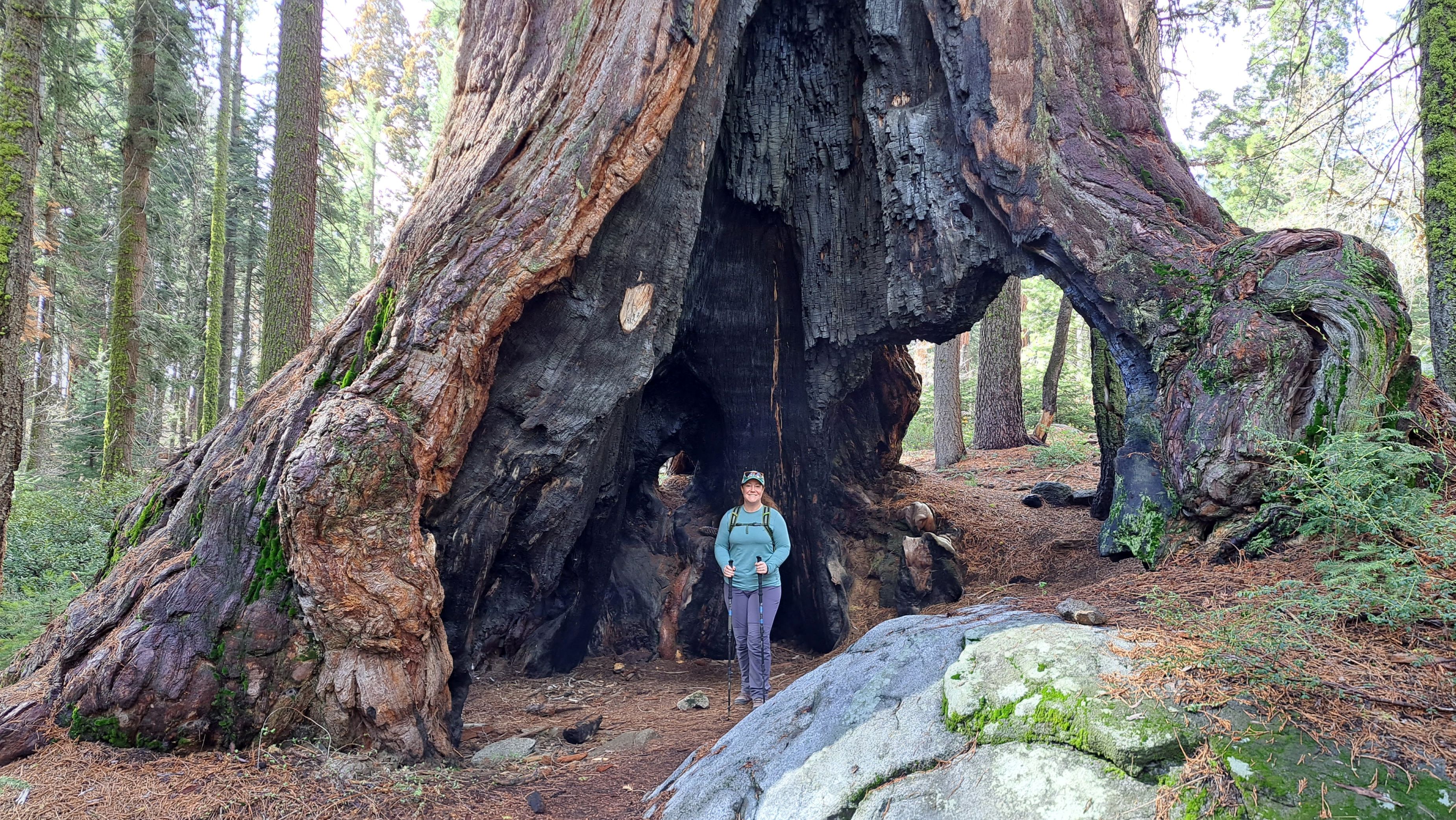
It was late afternoon so we set out on the short and relatively accessible Big Trees trail, which is a 1.1 mile / 1.8 km loop. I liked that the loop circled a clearing, which allowed us to look across an open space to really appreciate the magnitude of the sequoias on on the other side. Being among them in a grove – like when you visit General Sherman – is an experience that is not to be missed, but seeing them from yards away is also an incredible perspective. I’d recommend both!
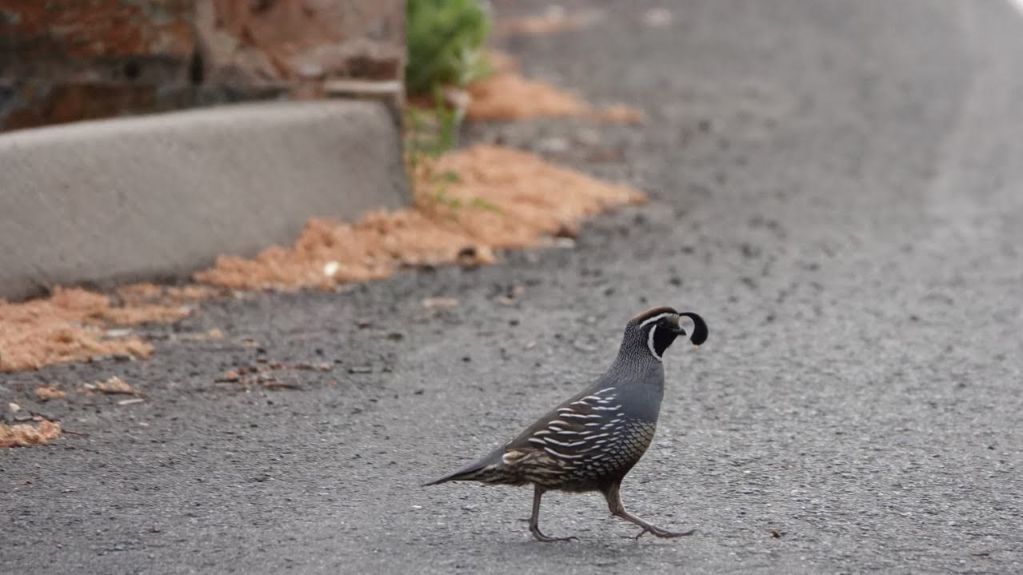
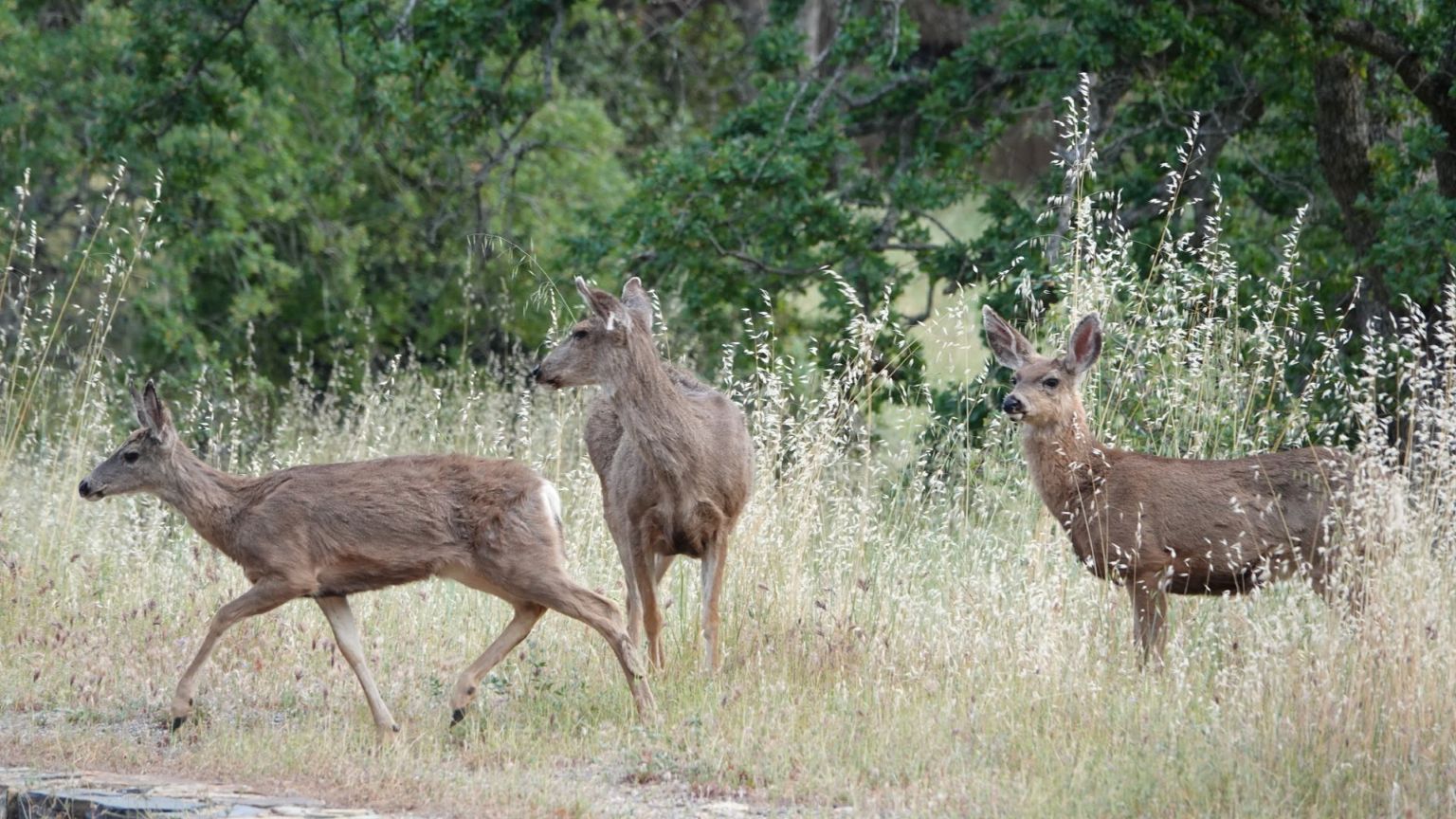
We ended the day spotting wildlife on our drive out of the park (deer and quail being the highlights!) and enjoying a local brewing company’s ‘General Sherman IPA’ in honor of our visit.

Day 2: Marble Falls Trail
Having spent a fair amount of our first day driving to different stops in the park, we decided to make our second day our bigger hiking day.
We headed out relatively early for Potwisha Campground, which is where you access the Marble Falls trail. We followed the park ranger’s instructions from the day before and found a small parking area near camp site 14 and set off on our hike.
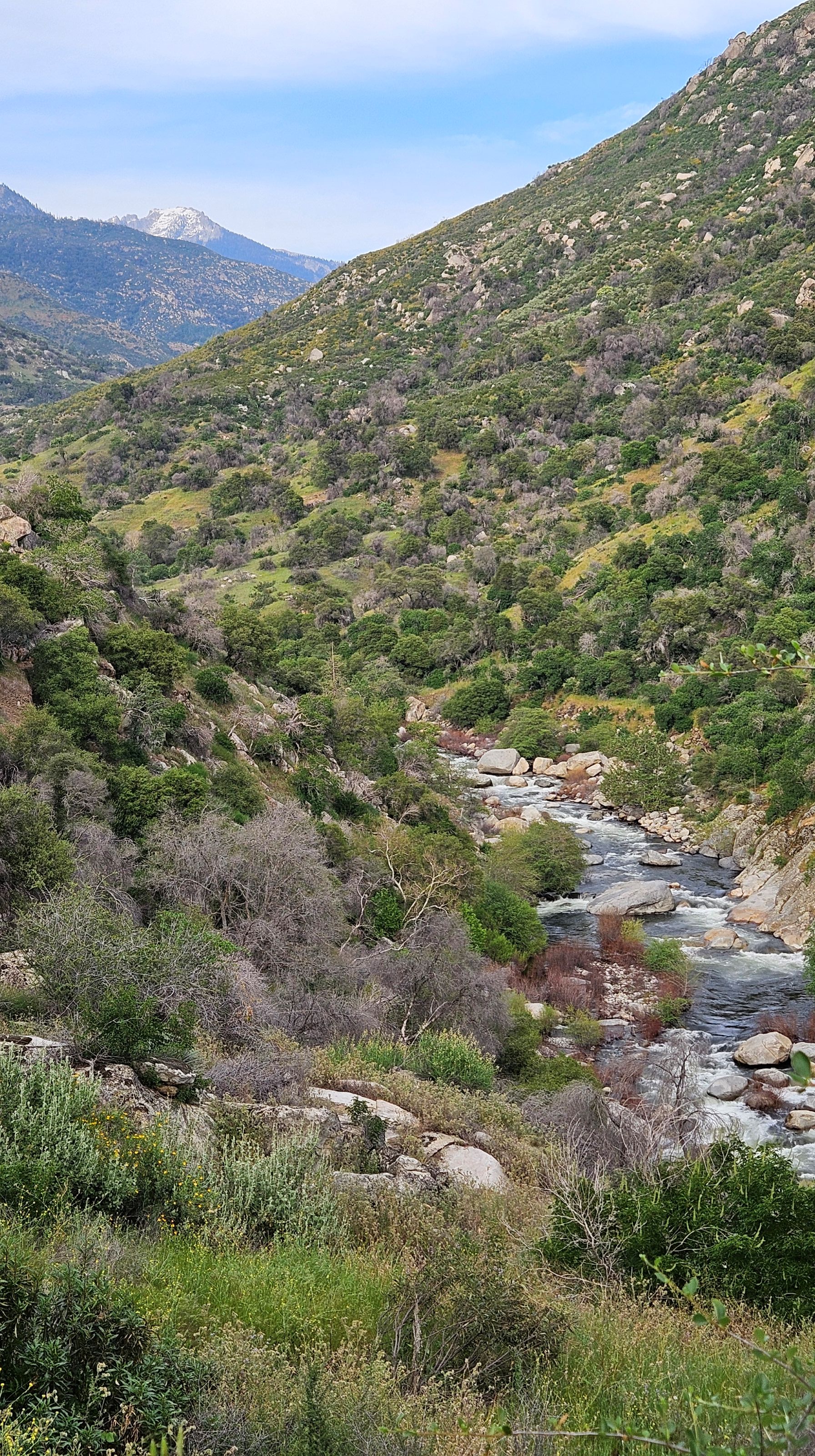
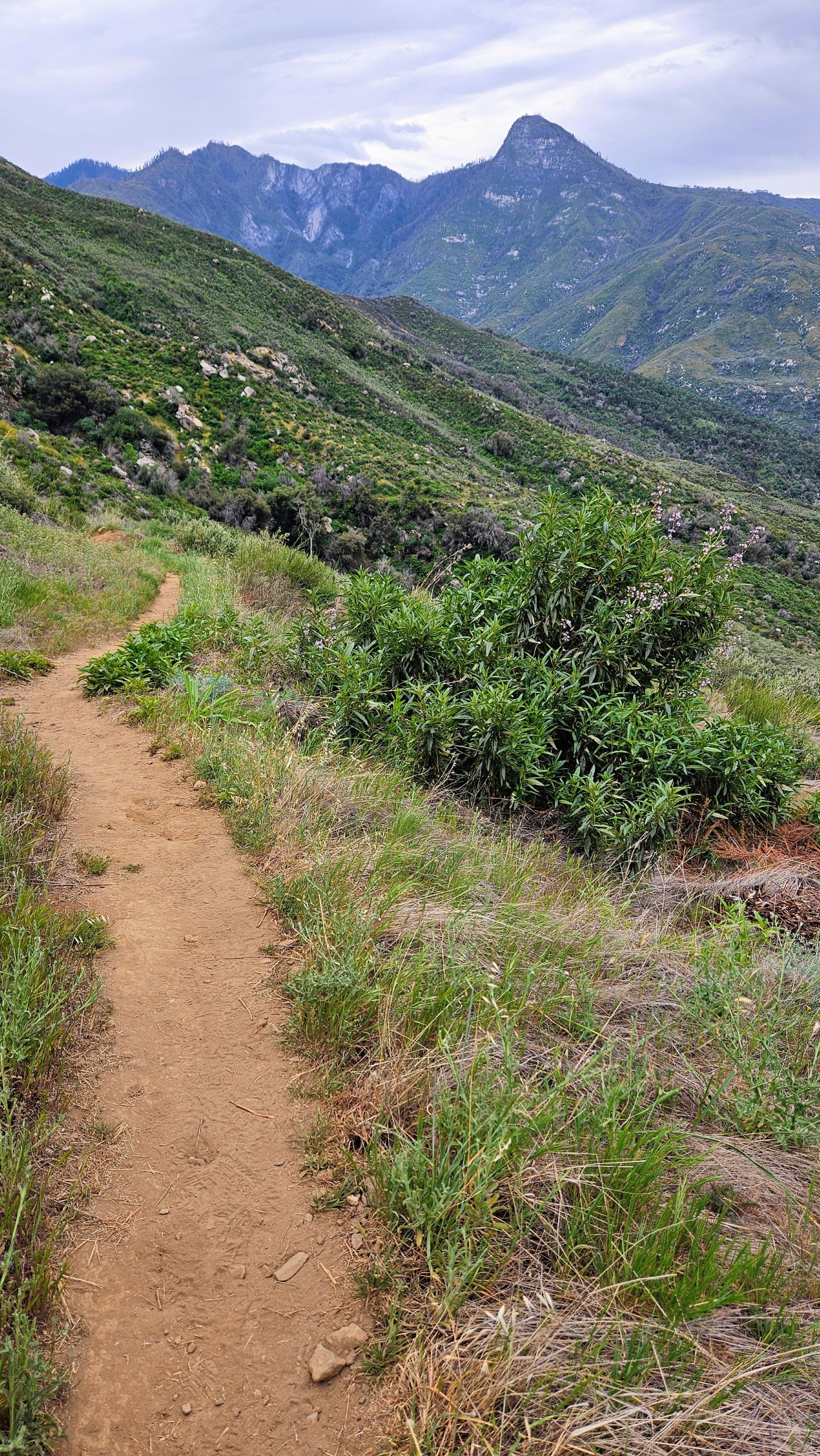
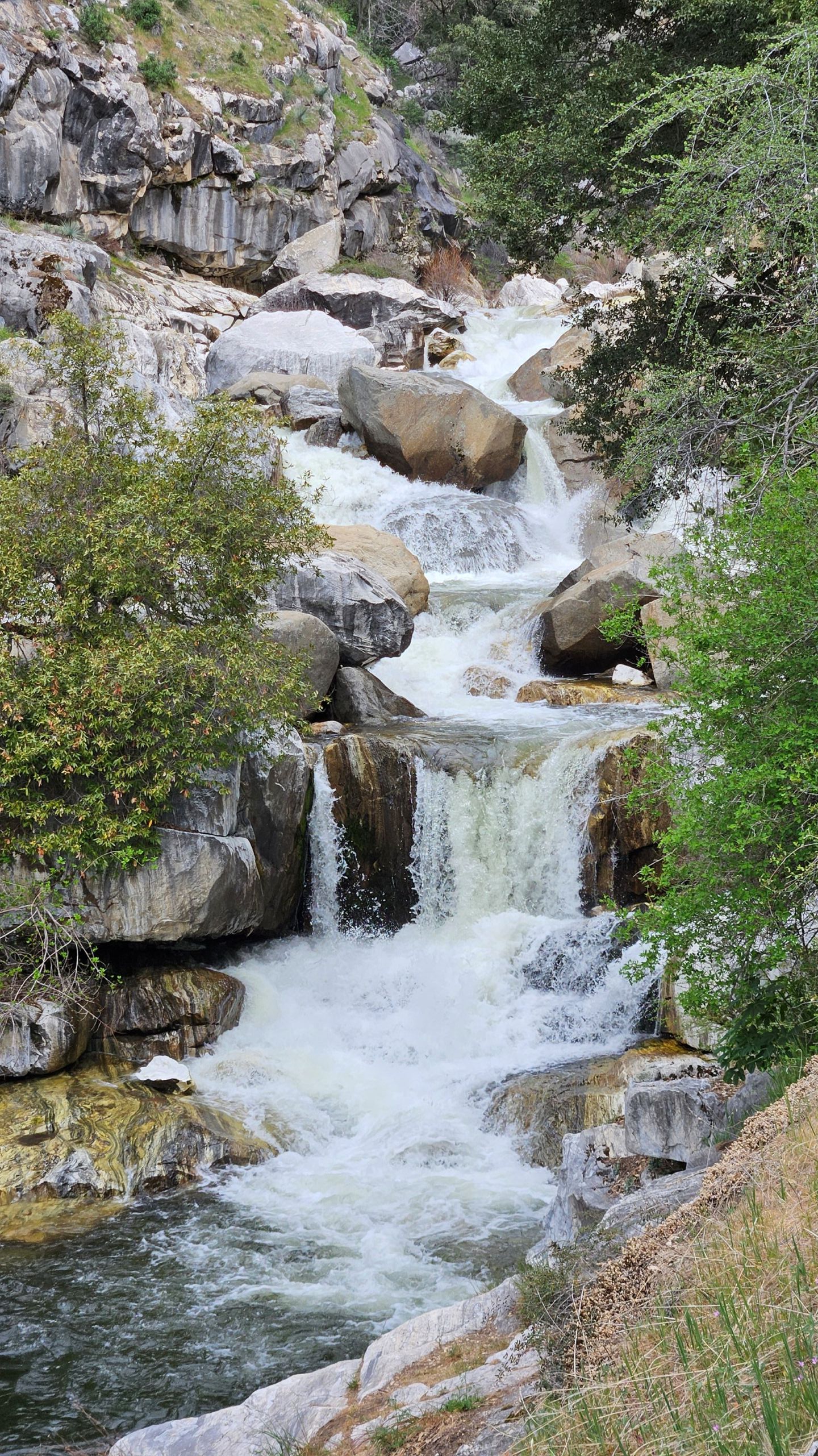
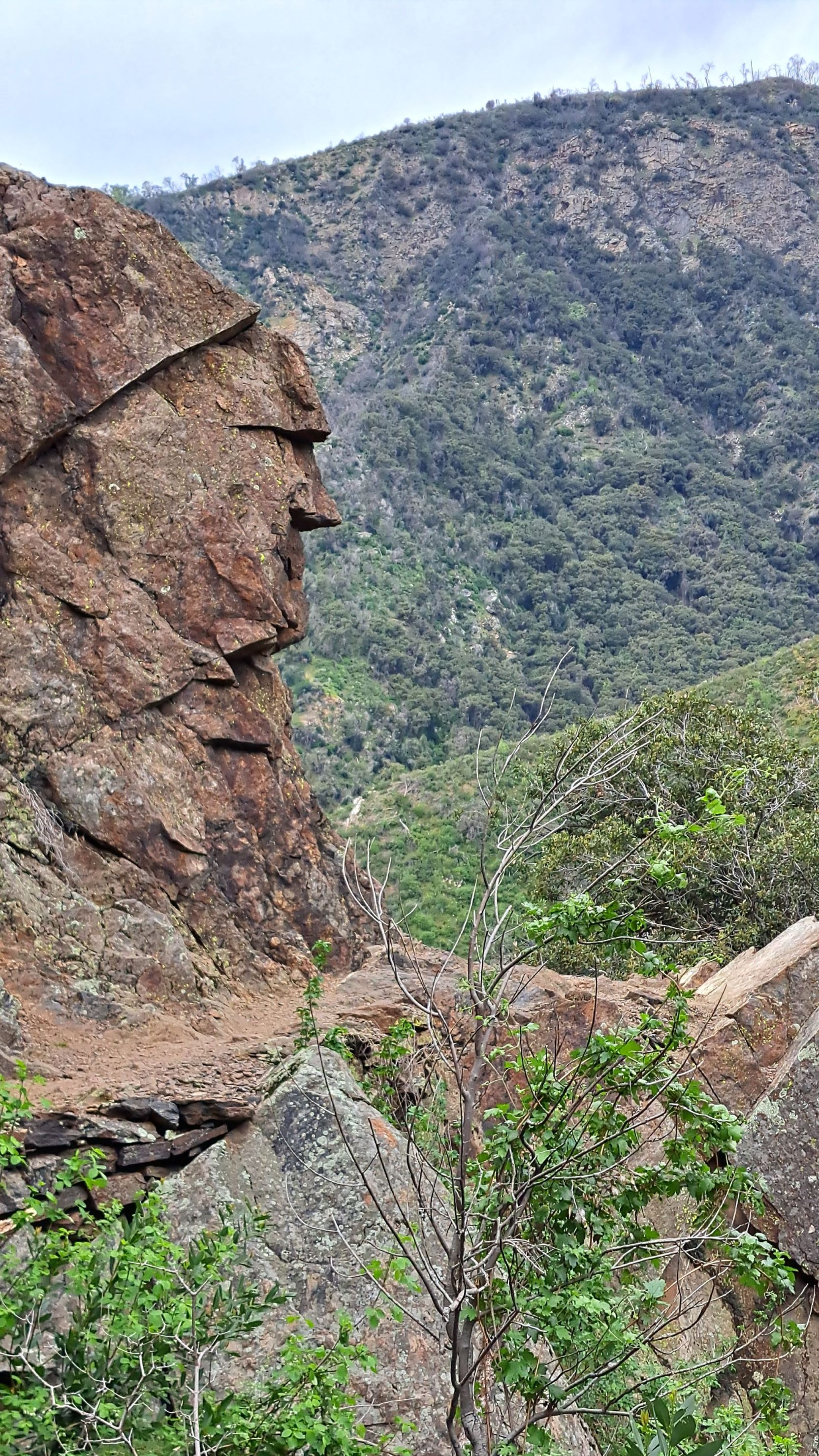
We saw very few people on the trail, which wasn’t surprising – this hike is off the beaten path and not nearly as popular as the shorter hikes among the sequoias. Instead of giant trees, we got to experience a lower elevation section of the park by following a narrow path along rocky mountainsides and through colorful wildflowers, spotting a rocky outcropping that looked a lot like a face (picture below).
While I didn’t enjoy the bugs along the trail, seeing the roaring namesake waterfall at our turnaround point made the journey there worth it. Overall our hike came in at 6.2 miles / 10 km.
Day 3: Moro Rock via Soldiers Trail Loop and Lodgepole Visitor Center
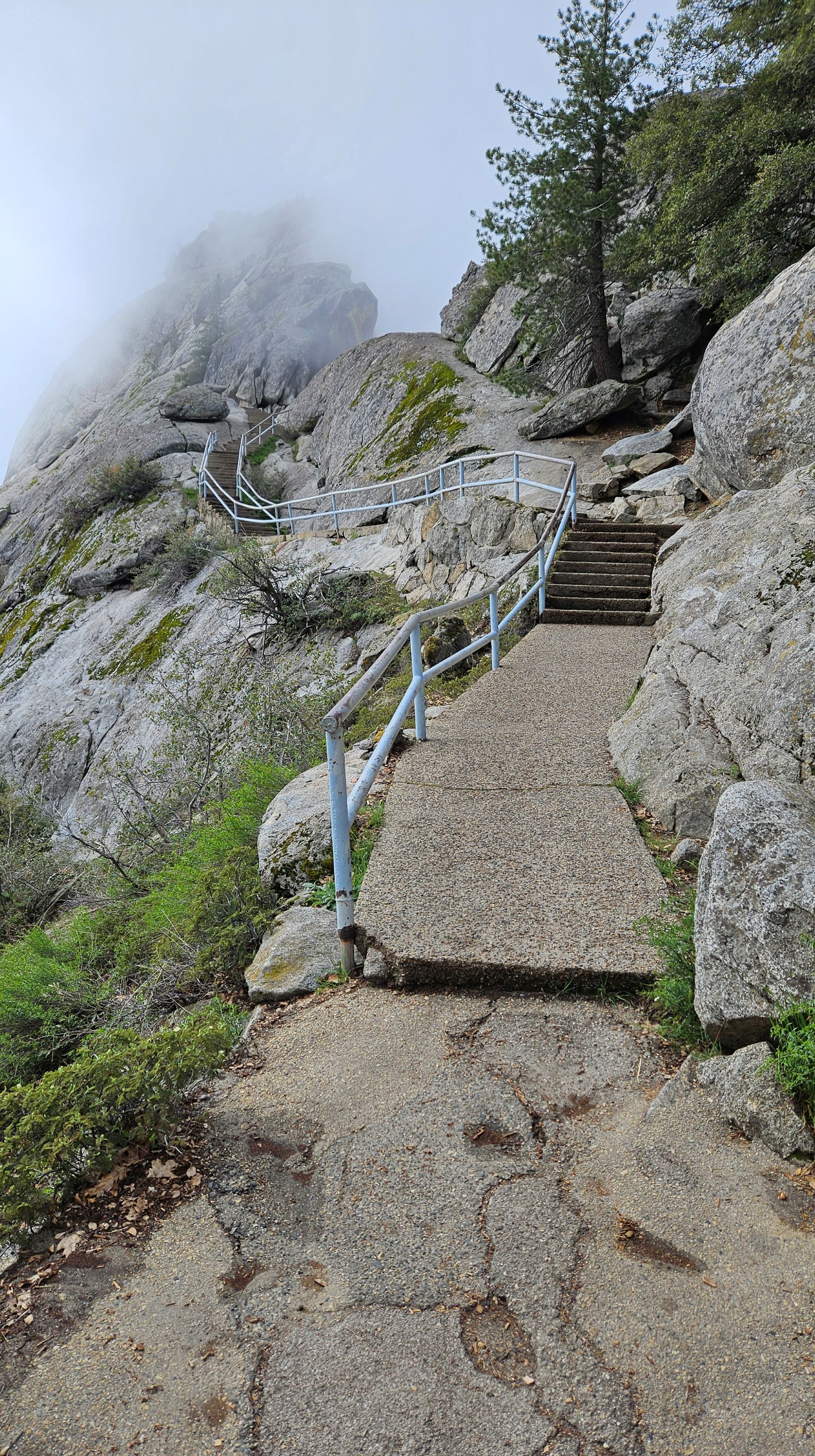
On our final day we decided to hike out to Moro Rock, which has a steep, .25-mile stairway that winds 350 feet up to a viewpoint of the park. During the summer season, you can park by the rock or take a shuttle to the rock in order to complete the climb, but the access road was closed during our visit so we needed to park at the Giant Forest Museum and make a much longer loop out to our destination.
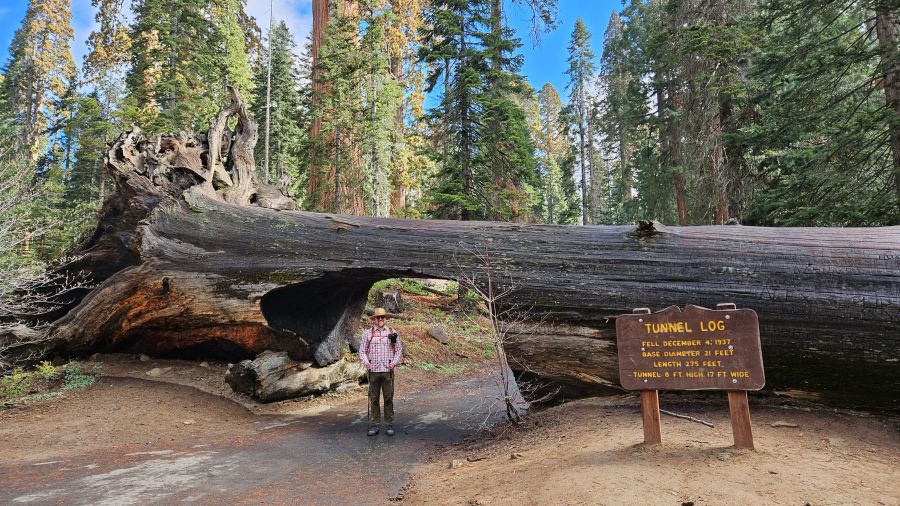
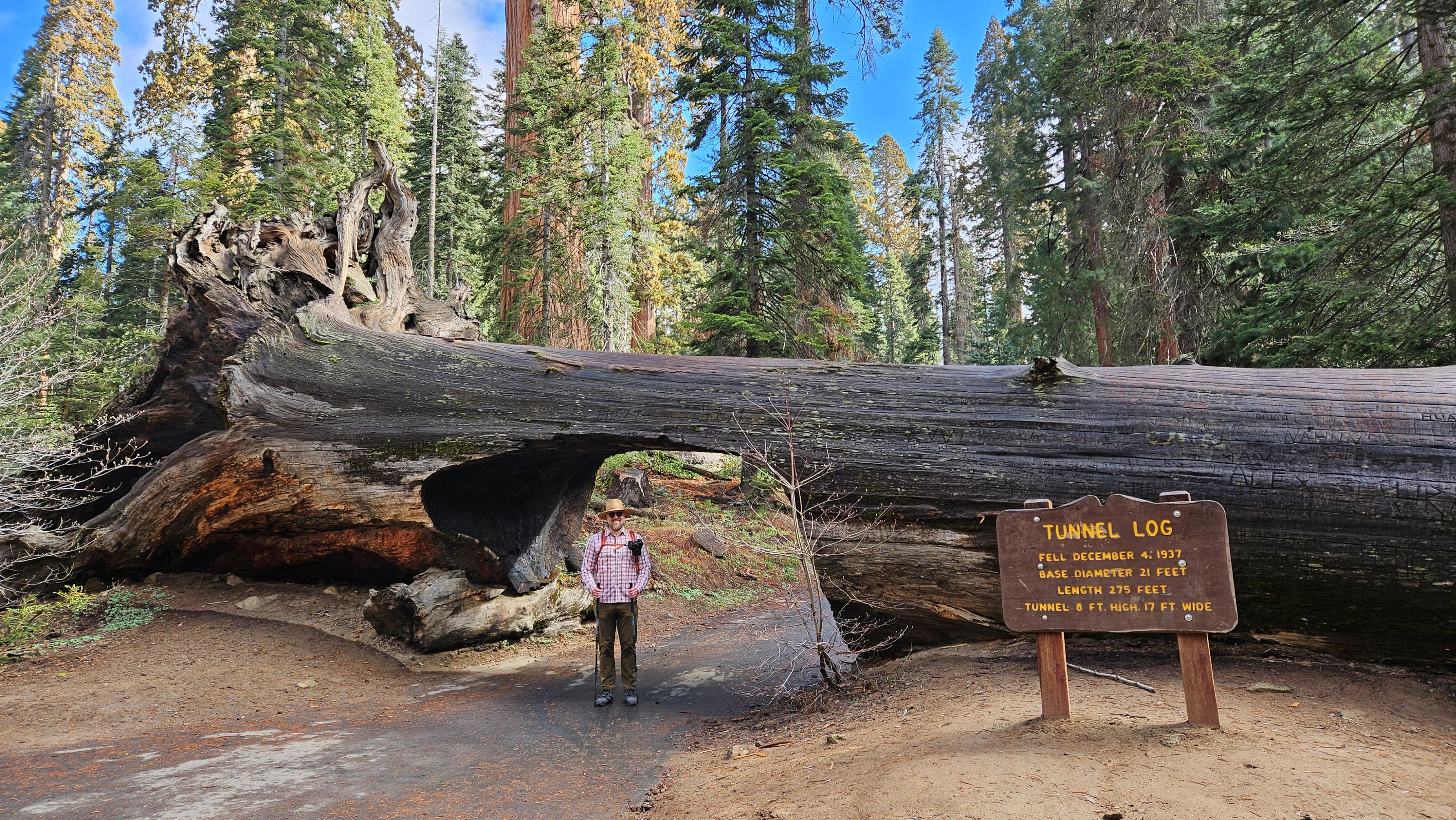
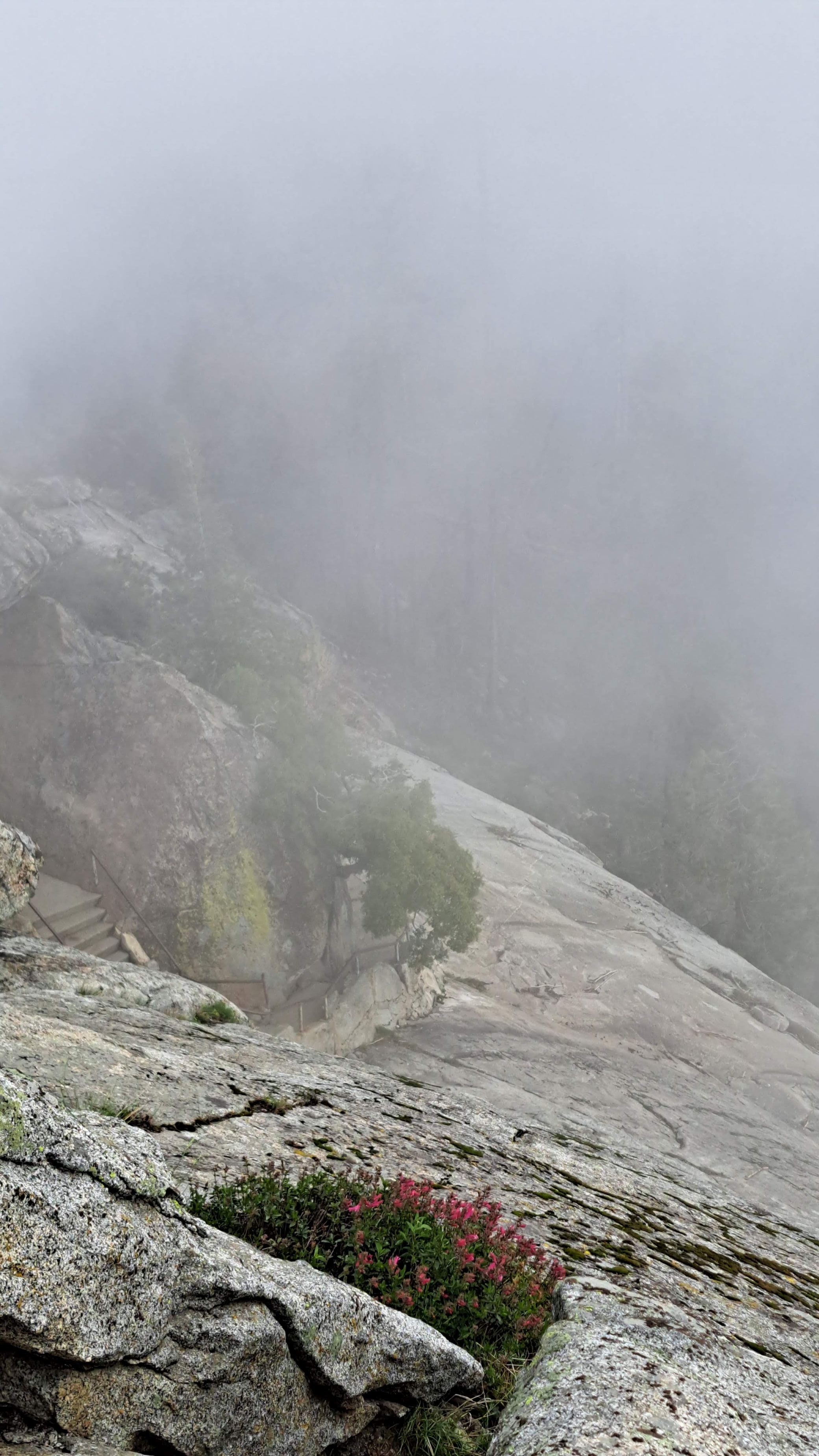
We set off on the Alta trail and headed to the rock via the forest trails, which took us by smaller groves of sequoias and eventually to the Tunnel Log attraction. We watched the fog rolling in during our journey and sure enough, Moro Rock was completely socked in by the time we arrived. While we would have preferred to see the stunning panoramas promised on the postcards, we still climbed to the top to take a couple photos from the foggy viewpoint!
To complete our loop, we circled back on the Old Bear Hill Road through recovering wildfire areas until we came back out at the Giant Forest Museum. Overall our hike clocked in at 4.3 miles / 6.9 km and 1,120 feet / 341 m gain. Even if the shorter options are available, I would recommend making time to complete this longer hike to Moro Rock and experiencing more of the park along the way.
Our last stop was the Lodgepole Visitor Center, which ended up being closed! There was quite a bit of snow in the area so we enjoyed our late lunch in our car, visited the small gift shop in the campground, noted some of the nearby trails for future visits, and then concluded our time in the park.
Our three days in Sequoia National Park flew by, and I know we could have spent more time exploring, especially had more of the park been accessible. Maybe we can revisit during the end of summer or early fall and see what else this incredible park has to offer.


Pingback: Two Days in Kings Canyon National Park, California – Heather's Compass