
When bad weather put the kibosh on our plans to visit Taos and Chimayo, New Mexico, we implemented plan B and checked out a national historical park relatively near Santa Fe that wasn’t originally on our radar. We enjoyed our quick – and windy! – visit to Pecos National Historical Park, where we spent time in the visitor center and toured the pueblo and mission ruins ahead of the raindrops.
The visitor center was well done and had a helpful video that explained how ancestral pueblo people migrated through this area and eventually chose to settle here, building semi-permanent pithouses and eventually above-ground pueblos. By 1450 the pueblos in the area consolidated into a larger successful settlement known as Pecos Pueblo that became the target of Spanish conquistadors and other nearby indigenous groups, like the Comanches.
Although their initial efforts to preserve their site were successful, the Pecos people began to significantly dwindle following years of raids and diseases introduced by European settlers throughout the 1700s. By the 1830s, the last remaining Pecos people migrated to the Pueblo of Jemez permanently, where they’ve continued their traditions to this day.

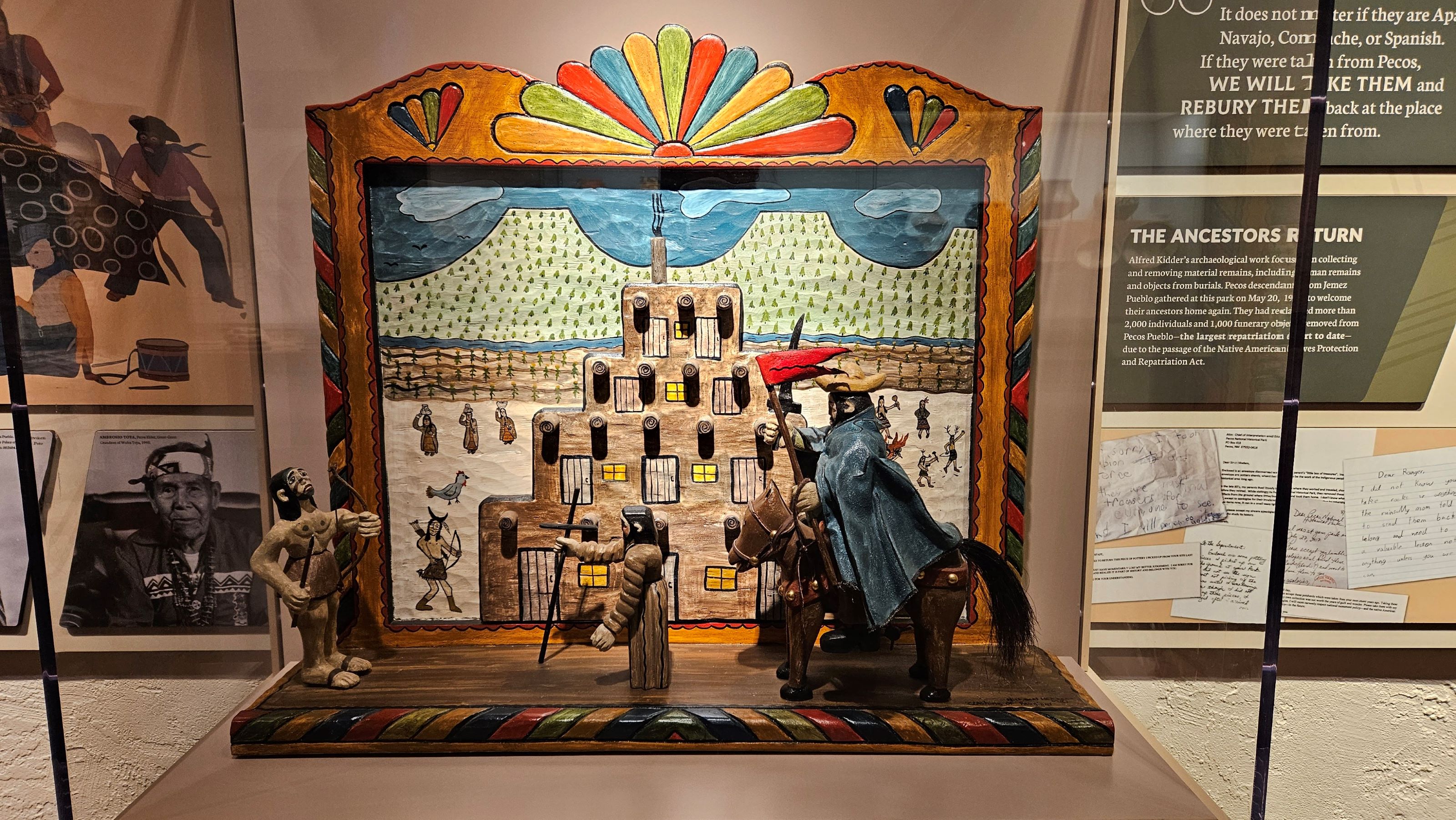
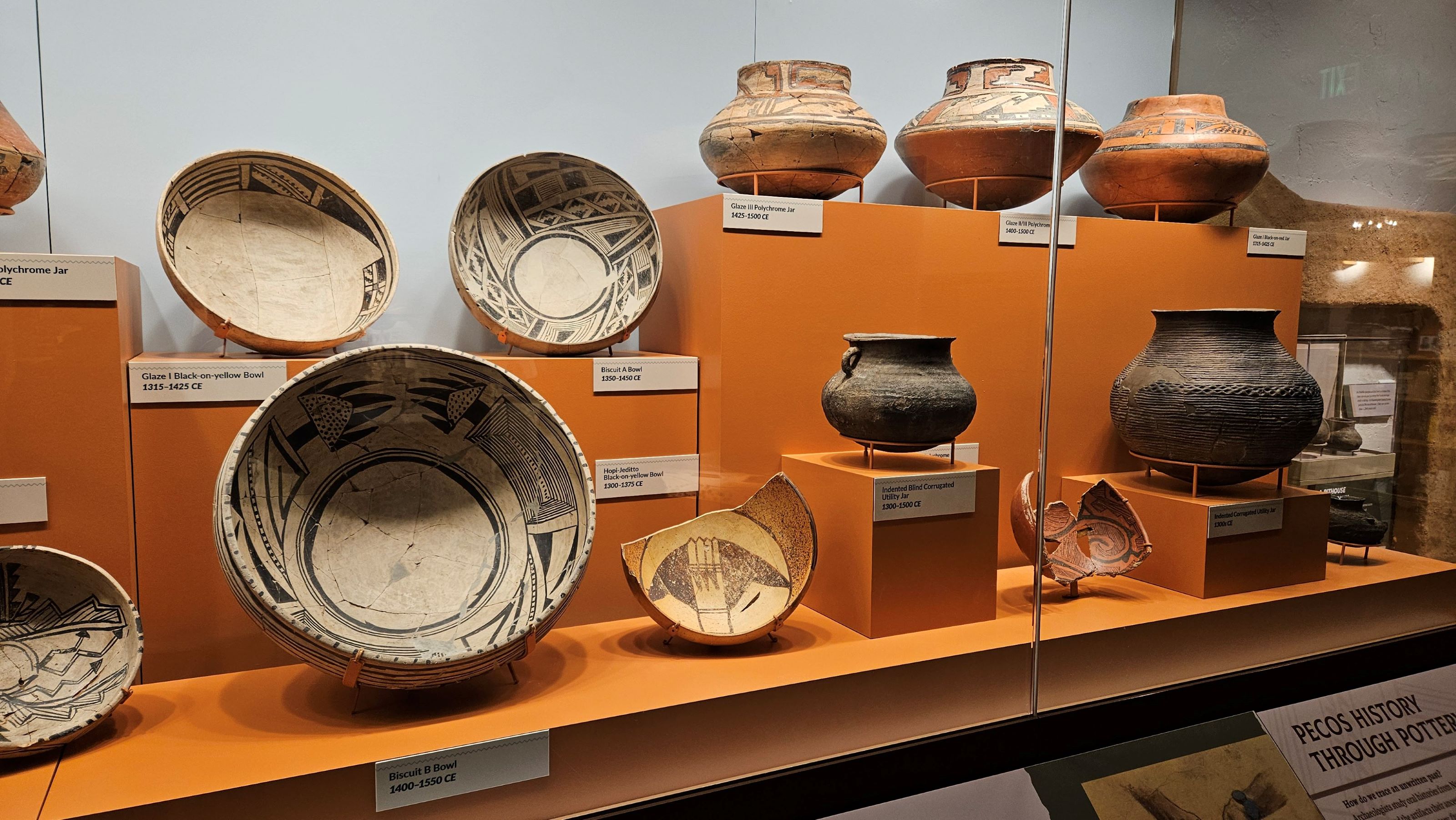
Unfortunately some of the other sites that are part of the national historical park like the Civil War battlefield, trading post, and Kozlowski’s Ranch and Stage Station were not open this time of year. Instead, we borrowed one of the trail guides and set off on the easy 1.25 mile/2 km roundtrip Ancestral Sites Trail that starts right behind the visitor center.
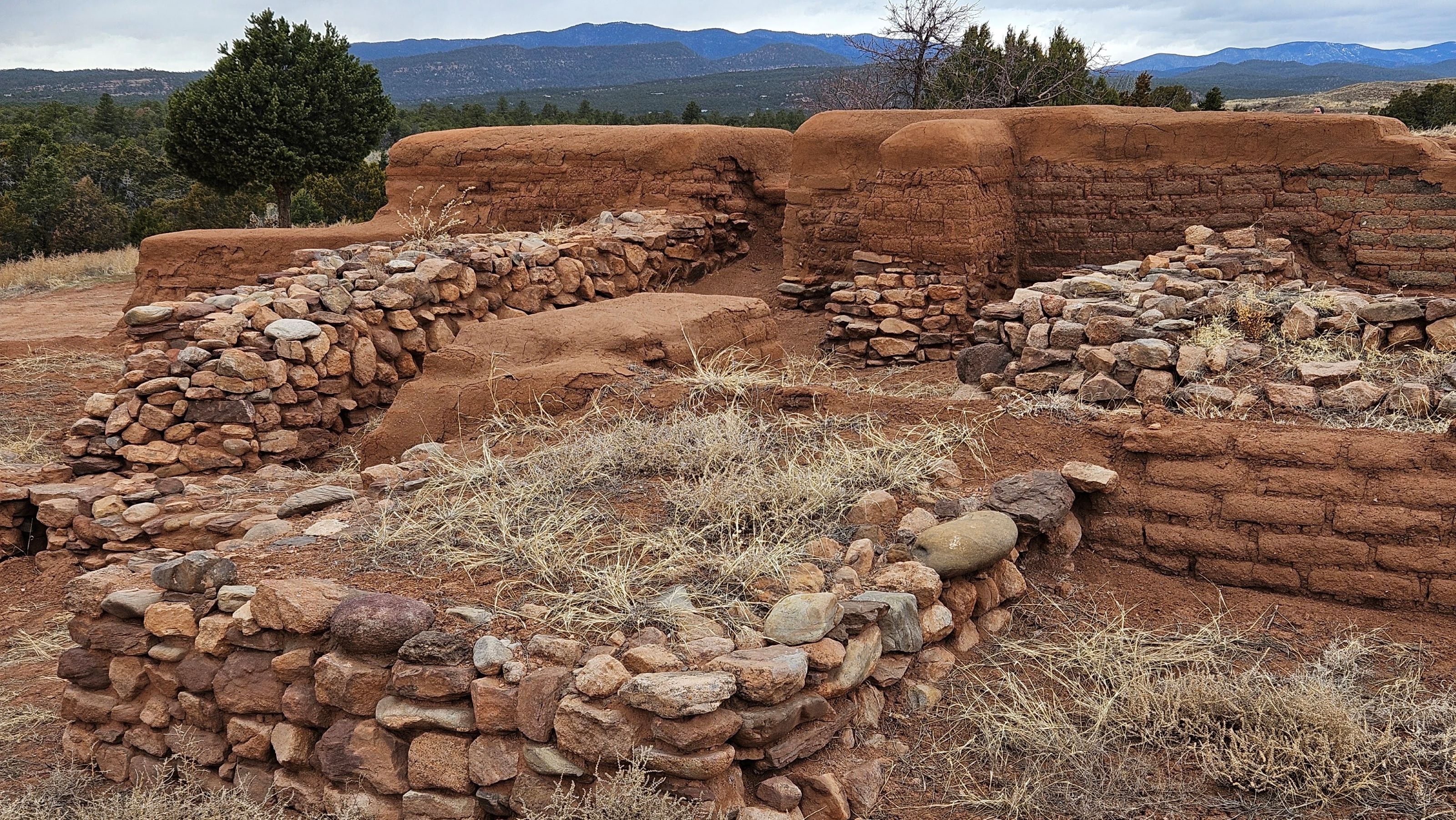
The trail passes by several ancestral sites of the Pecos Pueblo as well as the mission church. Surrounded by the Sangre de Cristo Mountains and Glorieta Mesa, it was clear why this was an ideal and relatively protected site that gave the Pecos people a view of anyone approaching from any direction.
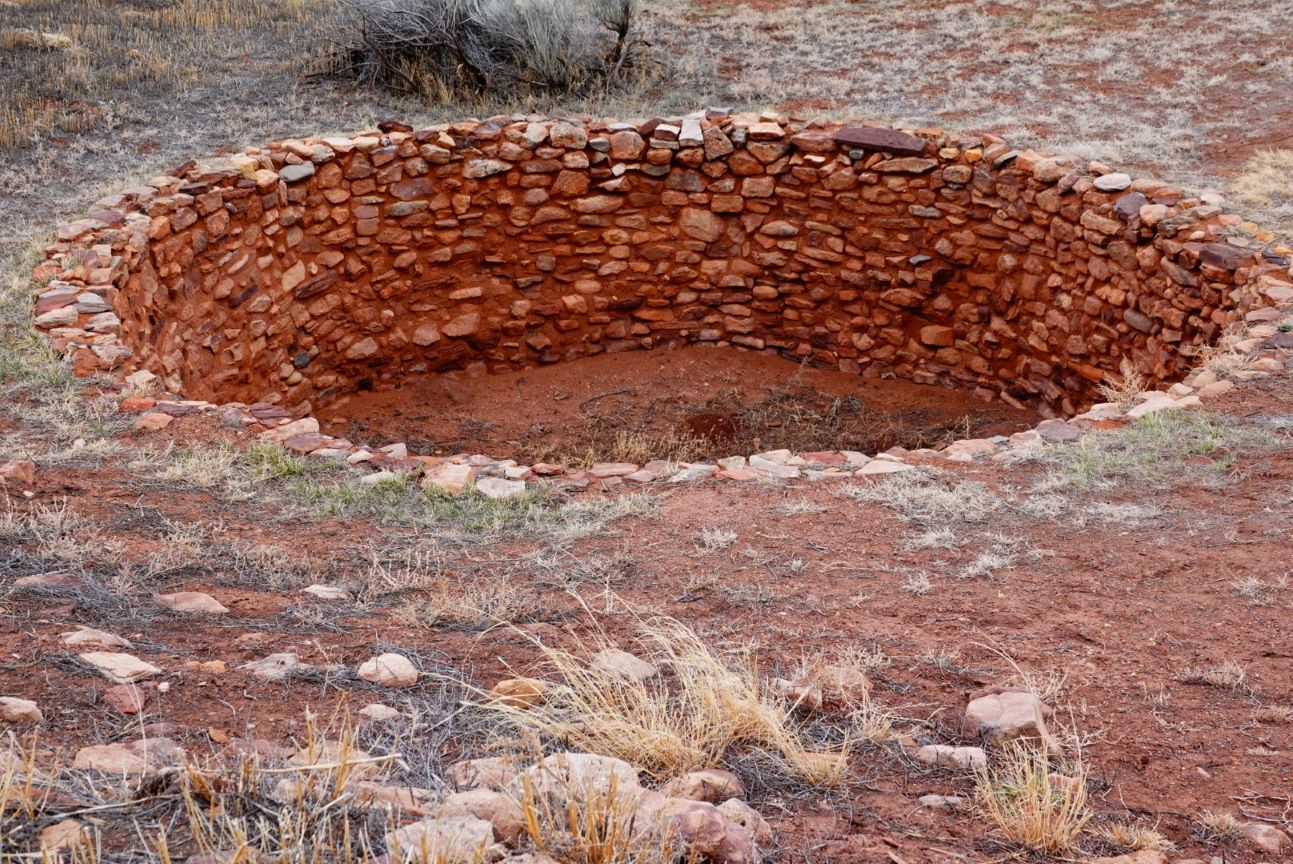
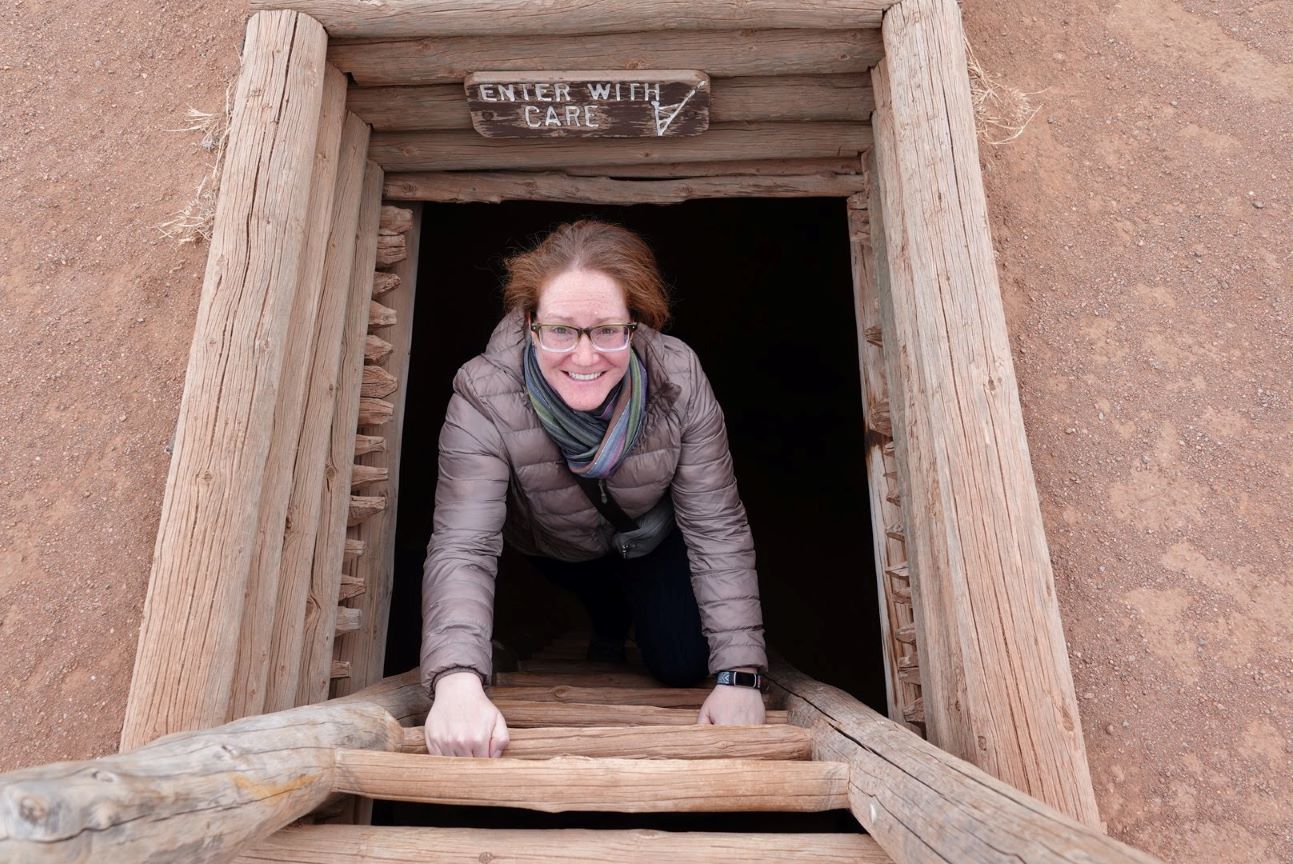
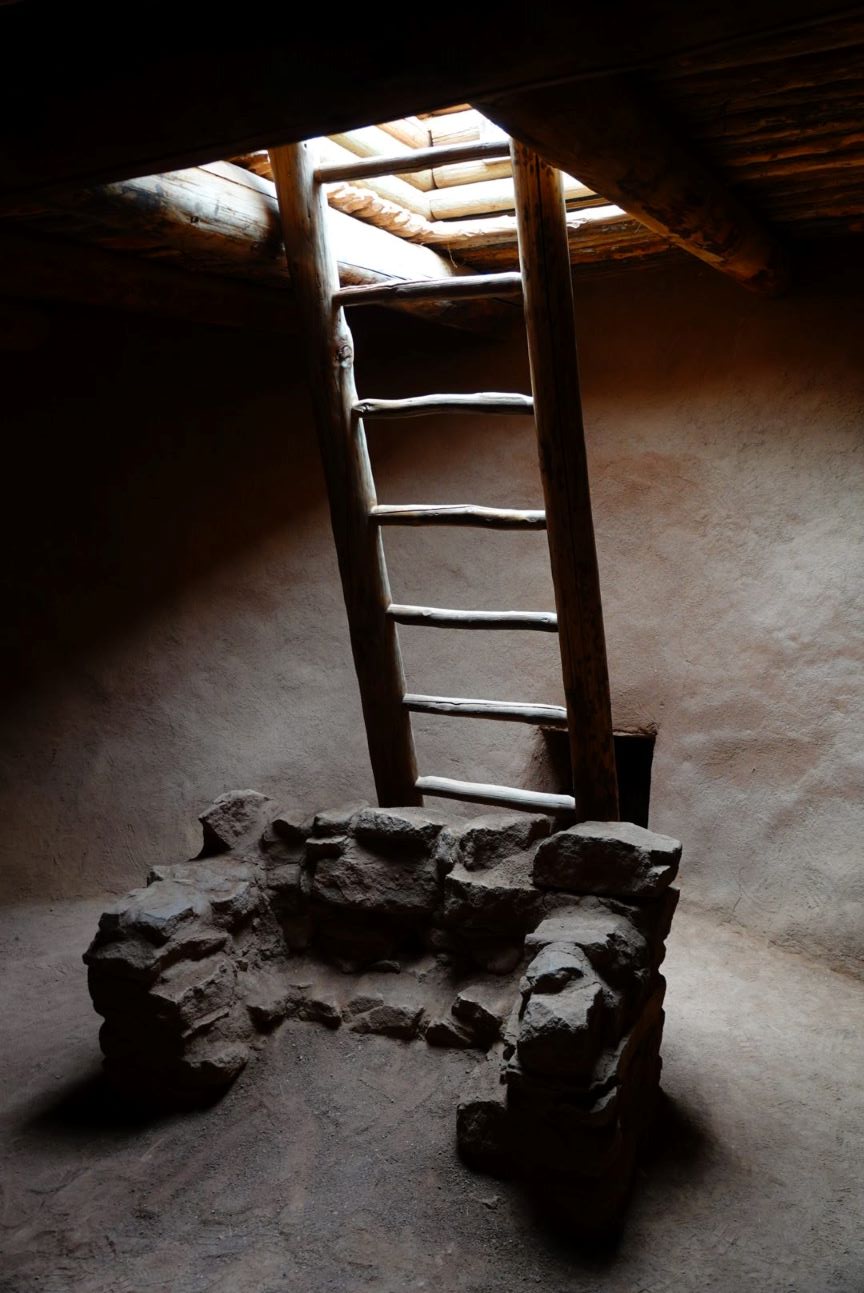
A couple of the pithouses have been maintained and we were allowed to climb down into them and read more about how these spaces were used.
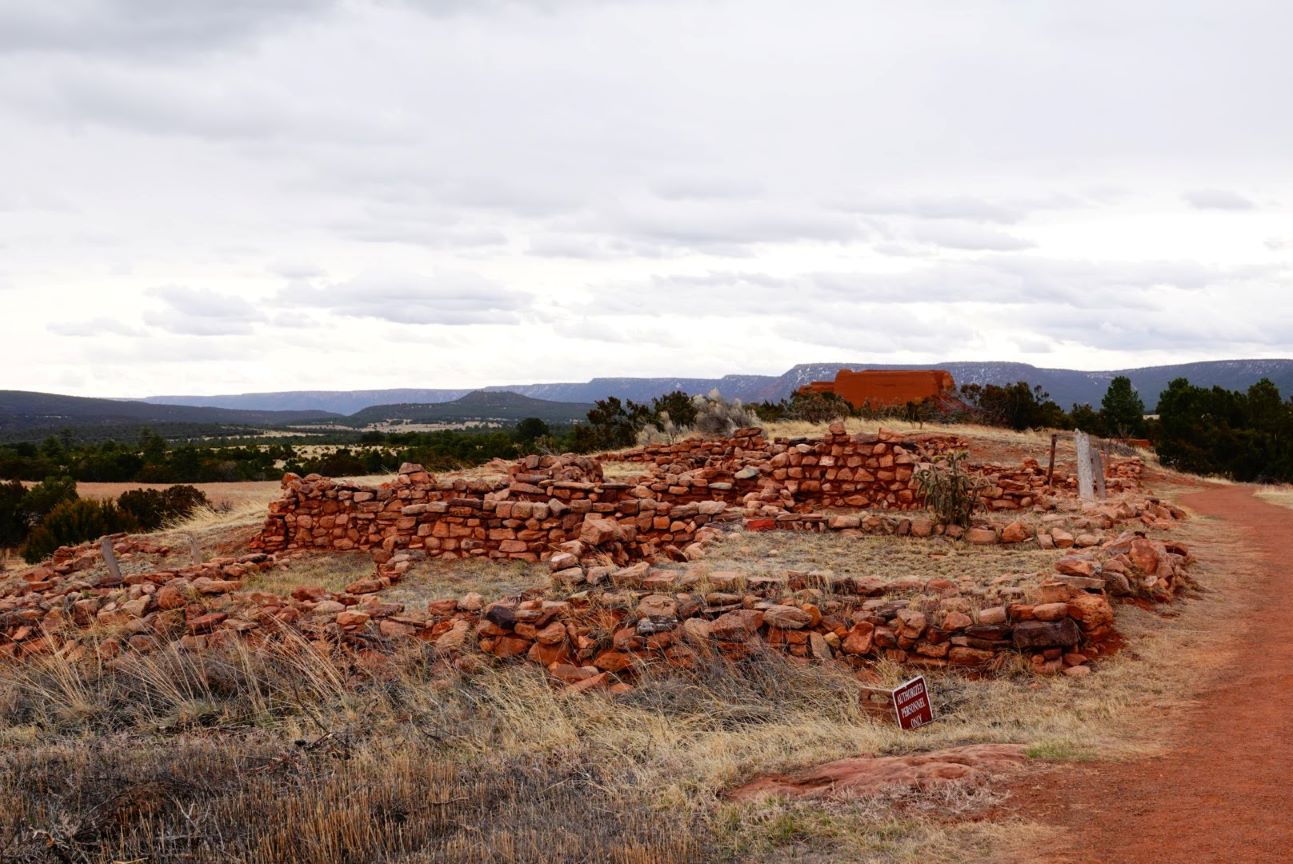
The remains of the Spanish mission, built in 1717, are quite large but apparently insignificant compared to the mission of 1625 that was originally in its place.
Fed up with the economic and religion repression of the Spanish conquistadors and missionaries, the Pecos people successfully won back their freedom during the Pueblo Revolt of 1680, buying themselves several decades of peace before the Spanish once again invaded.
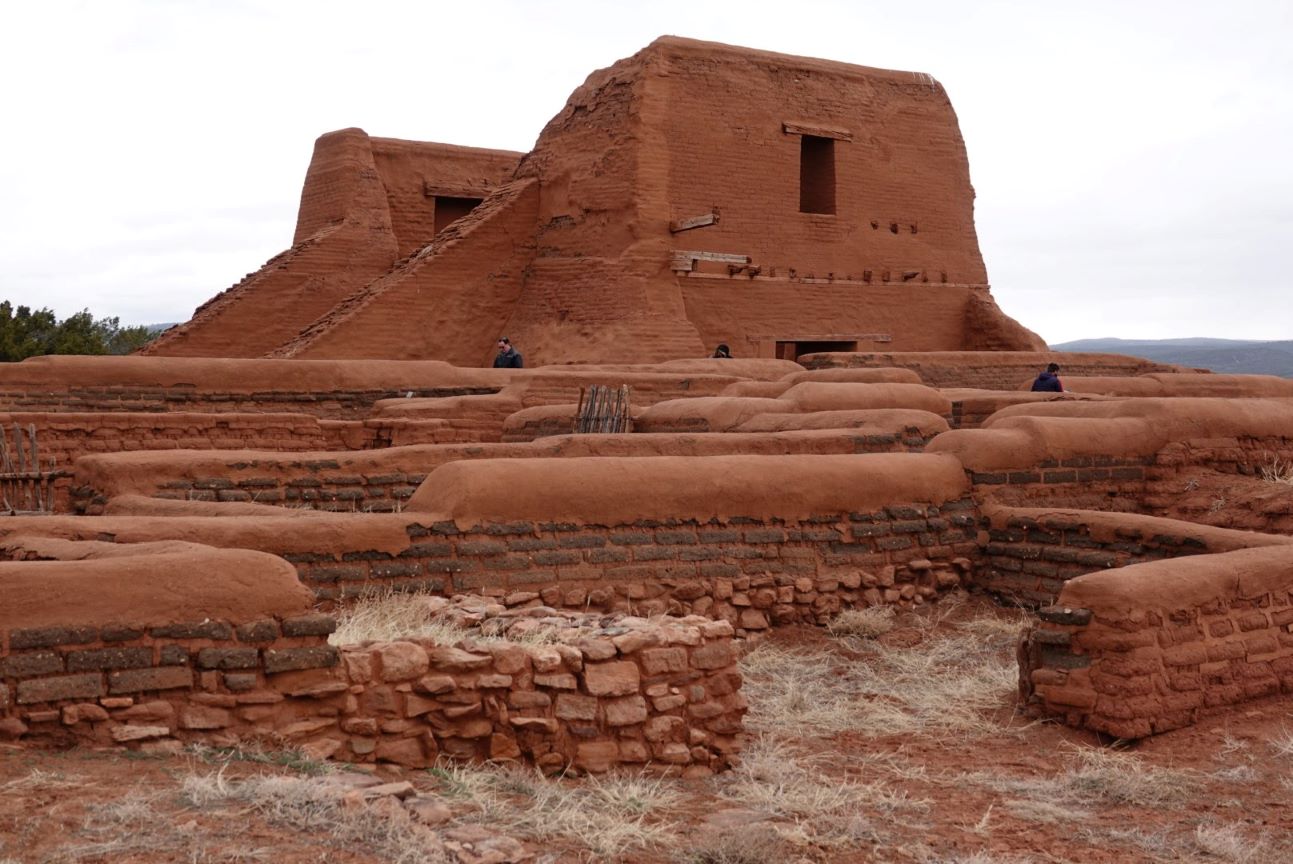

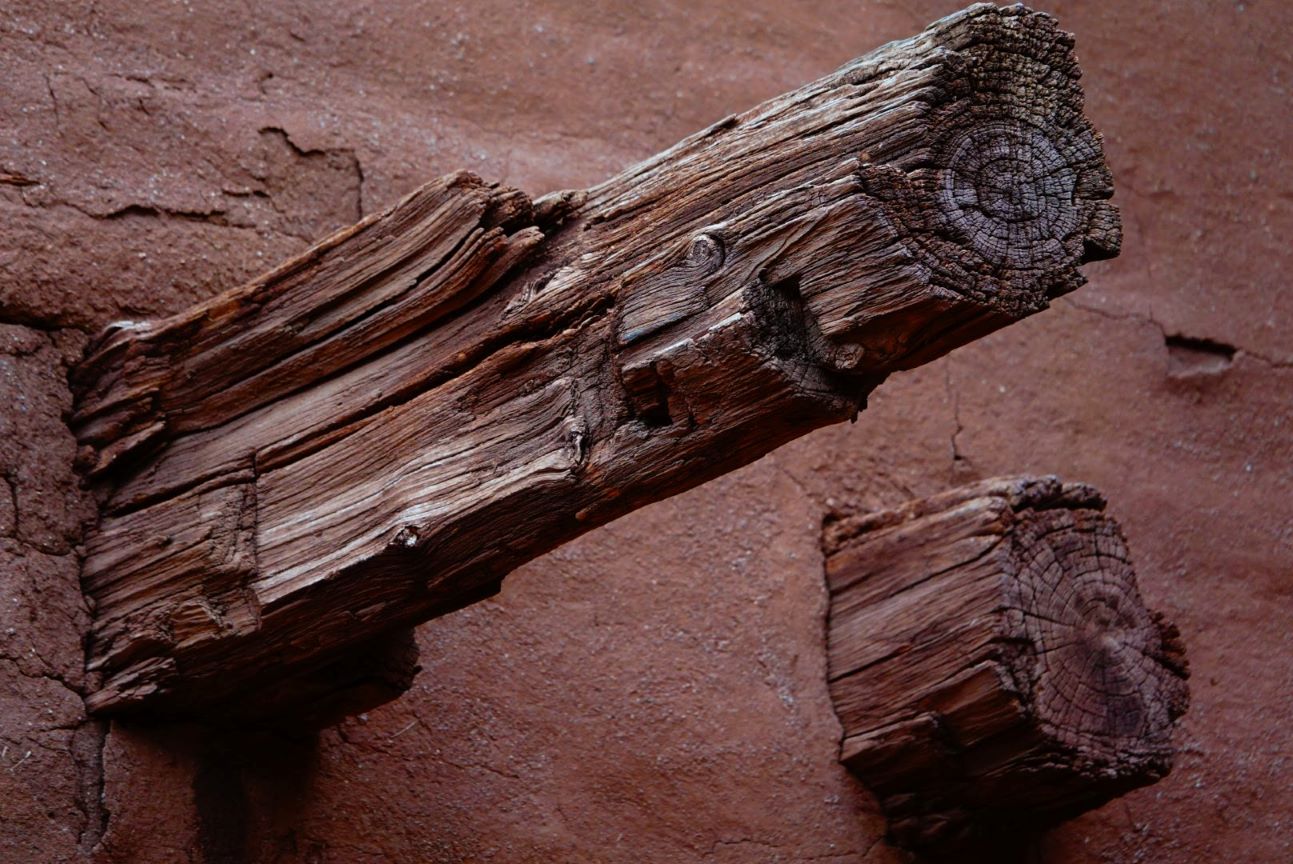


Our self-guided brochure was very helpful in guiding us through the mission grounds and describing how different areas were likely used. These uses ranged from cooking areas to stables and storage areas. Researchers believe one of the stable areas was made available to visitors who needed a place to tie up their animals while they took care of their business at the mission.
I was happy to learn that the Pecos people still living in the Pueblo of Jemez still return to Pecos for annual ceremonies honoring their ancestors and traditions. The National Park Services works with them to accurately represent their ancestors in park materials, including the visitor center, and to ensure the site remains protected and preserved for their use and the use of other visitors.
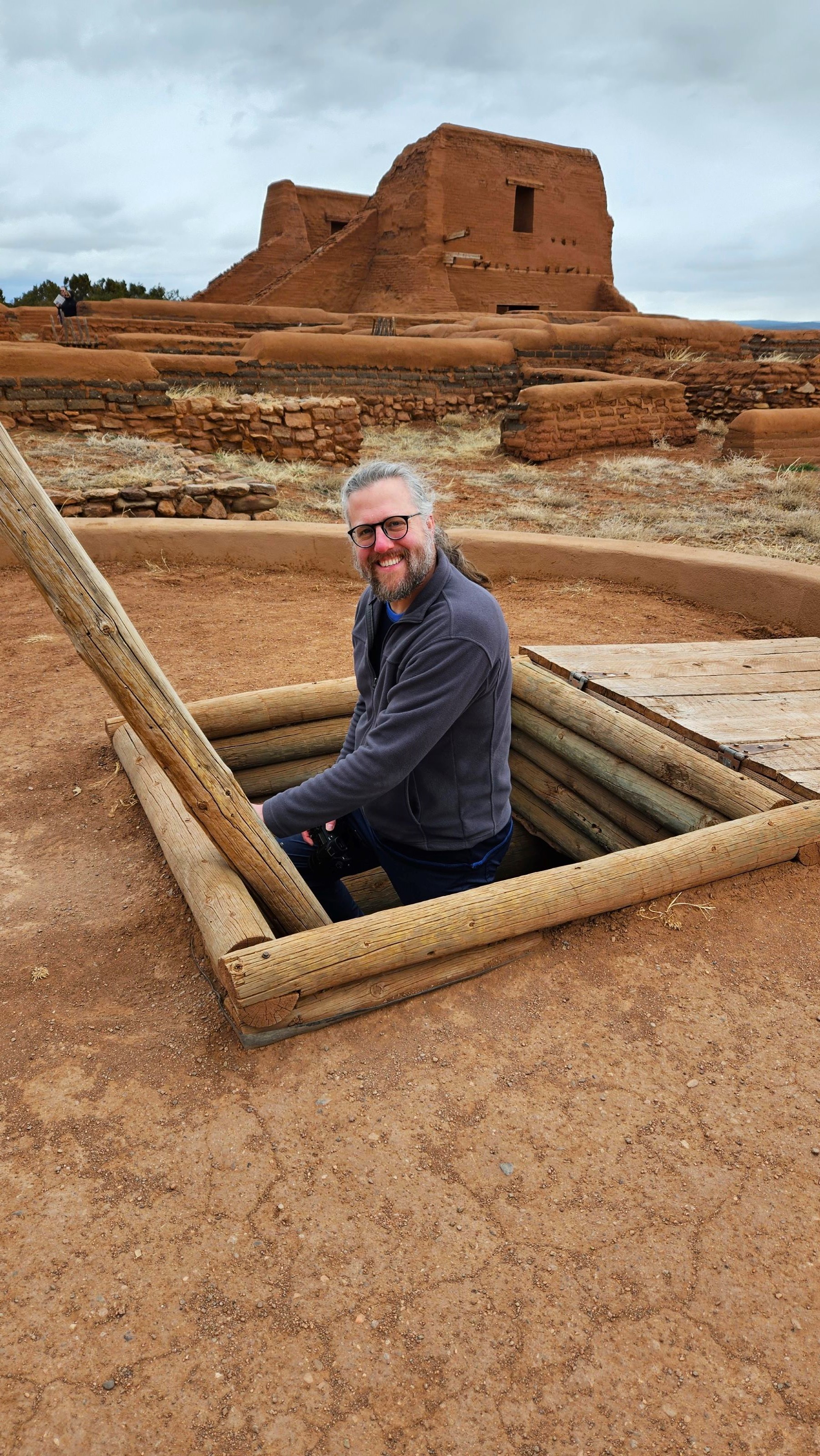
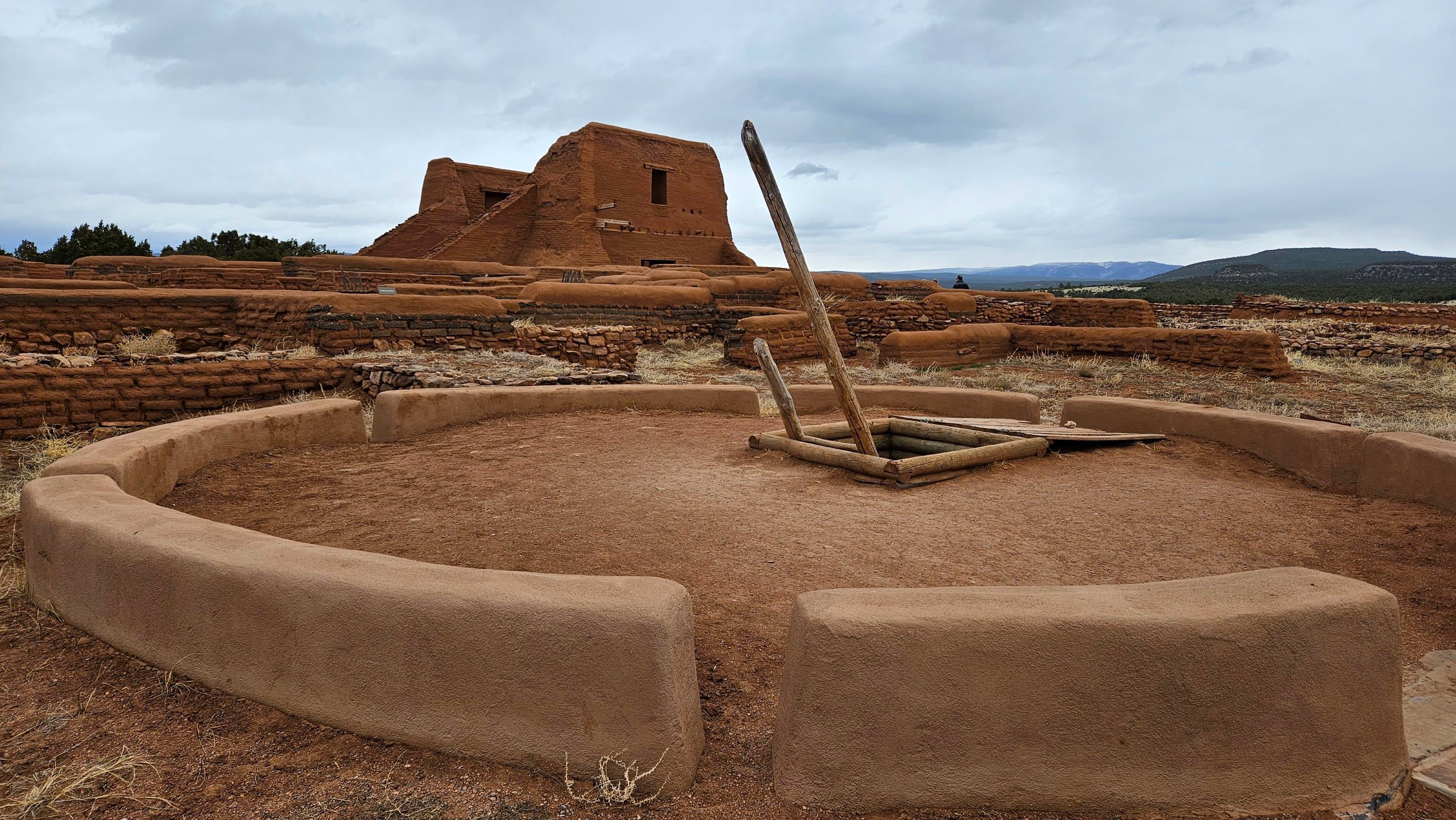
The weather wasn’t great, but I think we made the best of our morning by changing plans and visiting the Pecos National Historical Park. Had the other nearby sites that are part of the park been open, we could easily have spent the day exploring even more of the complicated history of this place and the many people who passed through here.
 Heather's Compass
Pingback: Highlights of Santa Fe, New Mexico – Heather's Compass
Pingback: Visiting Valles Caldera National Preserve and White Rock Overlook – Heather's Compass