Our last-minute road trip reroute allowed me to check Kansas off the list of states I’ve visited. State 45 out of 50 for me! I’m now prioritizing wrapping up the other five so I can join Brian in the 50/50 club.
I feel good checking the box on Kansas because in addition to driving the full length of the state, we spent an afternoon and night in Topeka where we visited a couple interesting museums.
Brown v. Board of Education National Historical Park
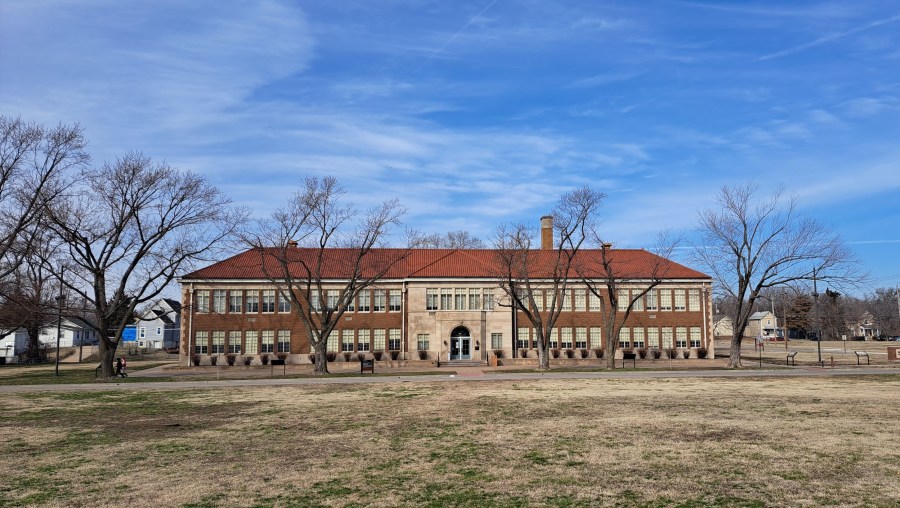
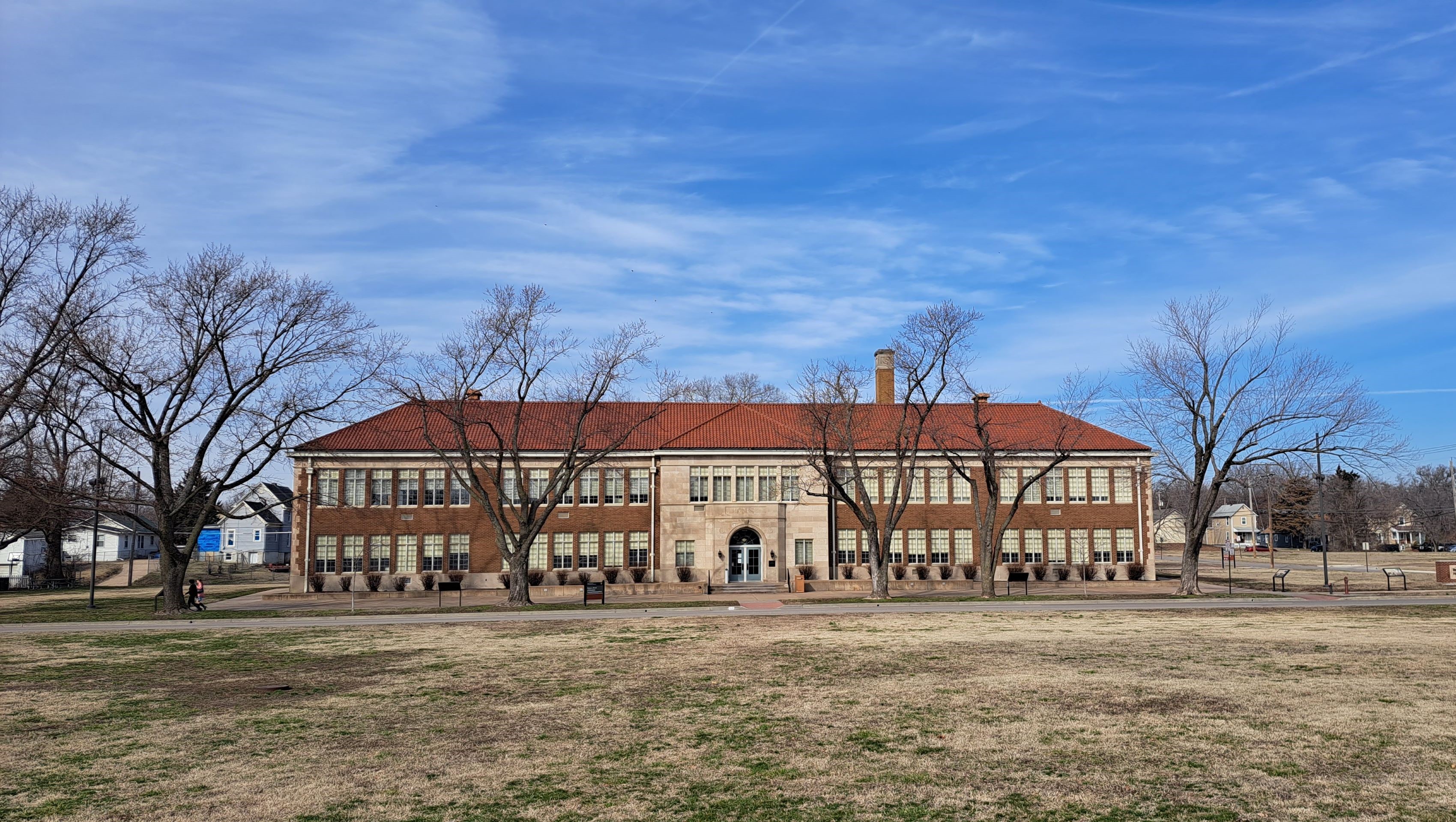
The highlight of our time in Topeka was exploring the Brown v. Board of Education National Historical Park, which is one of seven locations the national park service has designated as significant to this landmark case. This Topeka location is one of the former African American elementary schools that enabled the NAACP to challenge segregation in the school systems.
The Brown v. Board decision didn’t stem from a single case. The challenge to racial segregation in public schools arose several times from communities all across the country. Five of those communities, along with the NAACP, bravely sought the elimination of segregation in the United States in pursuit of true equality. They shared a common goal, and were bundled together by the Supreme Court. These cases led to a single ruling on a national issue that would transform American society forever.
https://www.nps.gov/brvb/learn/historyculture/fivecases.htm
We began our visit in the school’s gymnasium, watching a series of videos that covered the abolishment of slavery in 1865, the racial discrimination that led to the Plessy v. Ferguson ruling on ‘separate but equal,’ the birth of Jim Crow, and the arduous civil rights journey that led to the unanimous U.S. Supreme Court ruling in 1954 that segregation is inherently unequal, and the ongoing quest for equality in the U.S. today. This companion guide does a nice job summarizing much of what was covered.


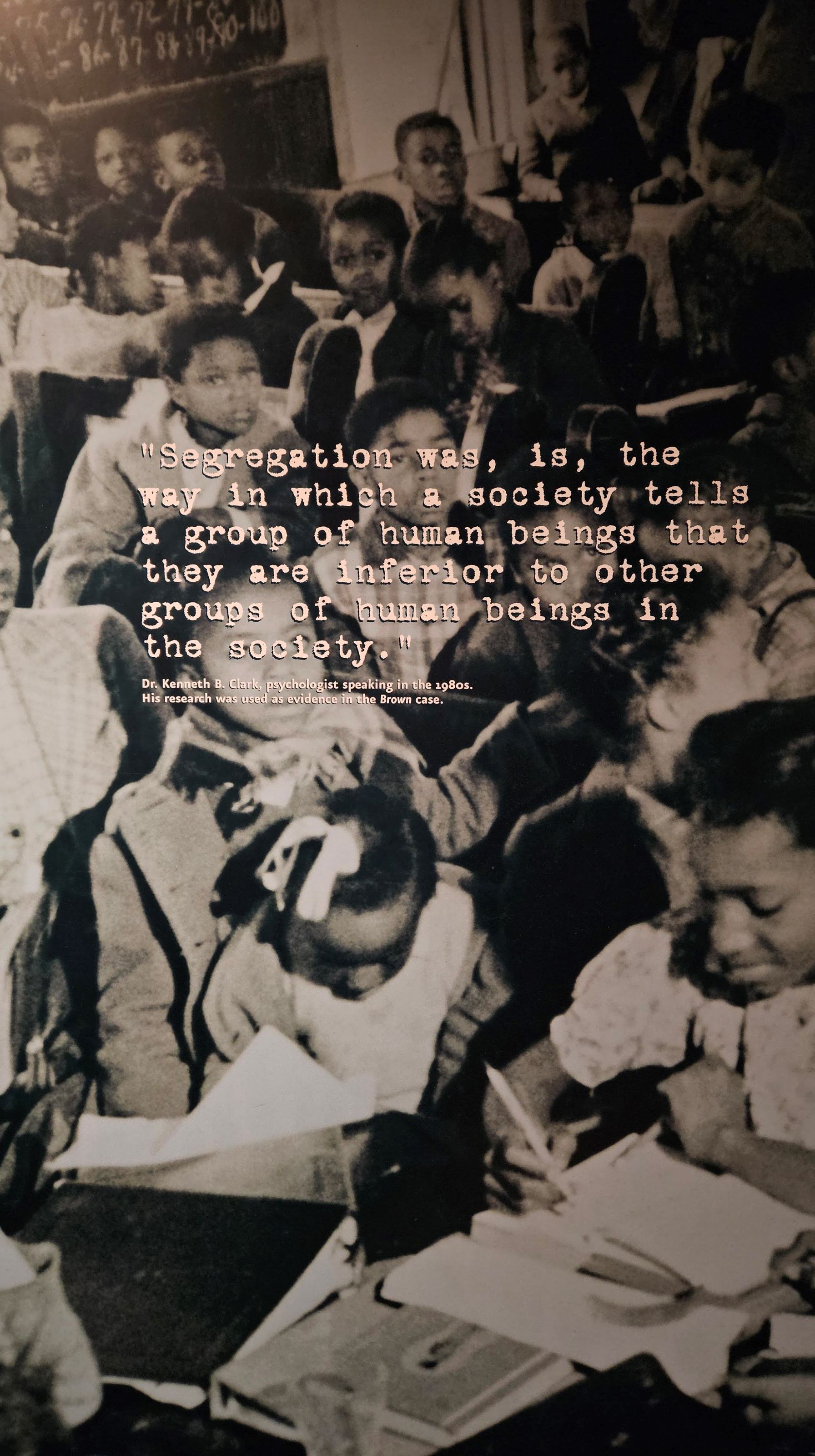
In addition to the gymnasium experience, several classrooms on the first floor of the building have been reimagined as interactive exhibits covering the themes from the video in greater detail. While I knew some of the key dates and milestones leading up to this case, there was a great deal I didn’t know.
For instance, did you know that in 1958 the Governor of Arkansas closed all Little Rock public high schools for one year rather than allow integration to continue? This “lost year” caused significant hardship for students as well as teachers and staff, many of whom could not find or afford alternative schooling options that year. Similar events took place in states on the east coast. Unbelievable.
I spent some time in the bookstore writing down titles I want to add to my reading list so I can continue to educate myself about the discrimination and disparities that continue to impact Black people and other minorities in our country today.
Evel Knievel Museum
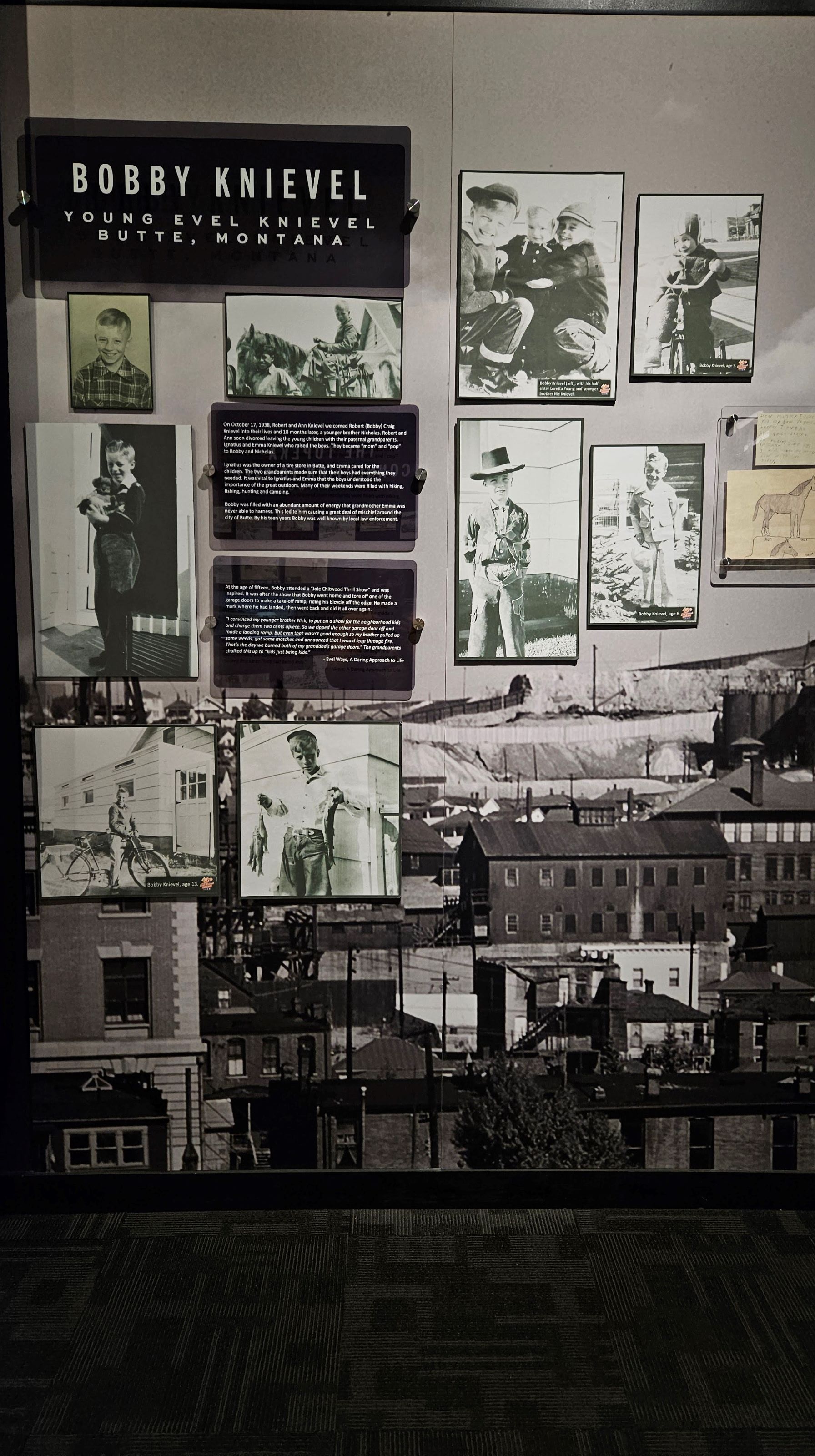
We also spent a few hours in the Evel Knievel Museum. Presently located at a Harley-Davidson dealership in Topeka, we heard a rumor it might be moving to Las Vegas soon to be augmented by additional items from the Knievel family.
In my opinion, this is not the most effectively curated museum. That said, it is full of information and has more of his bikes, outfits, and other paraphernalia than I expected.



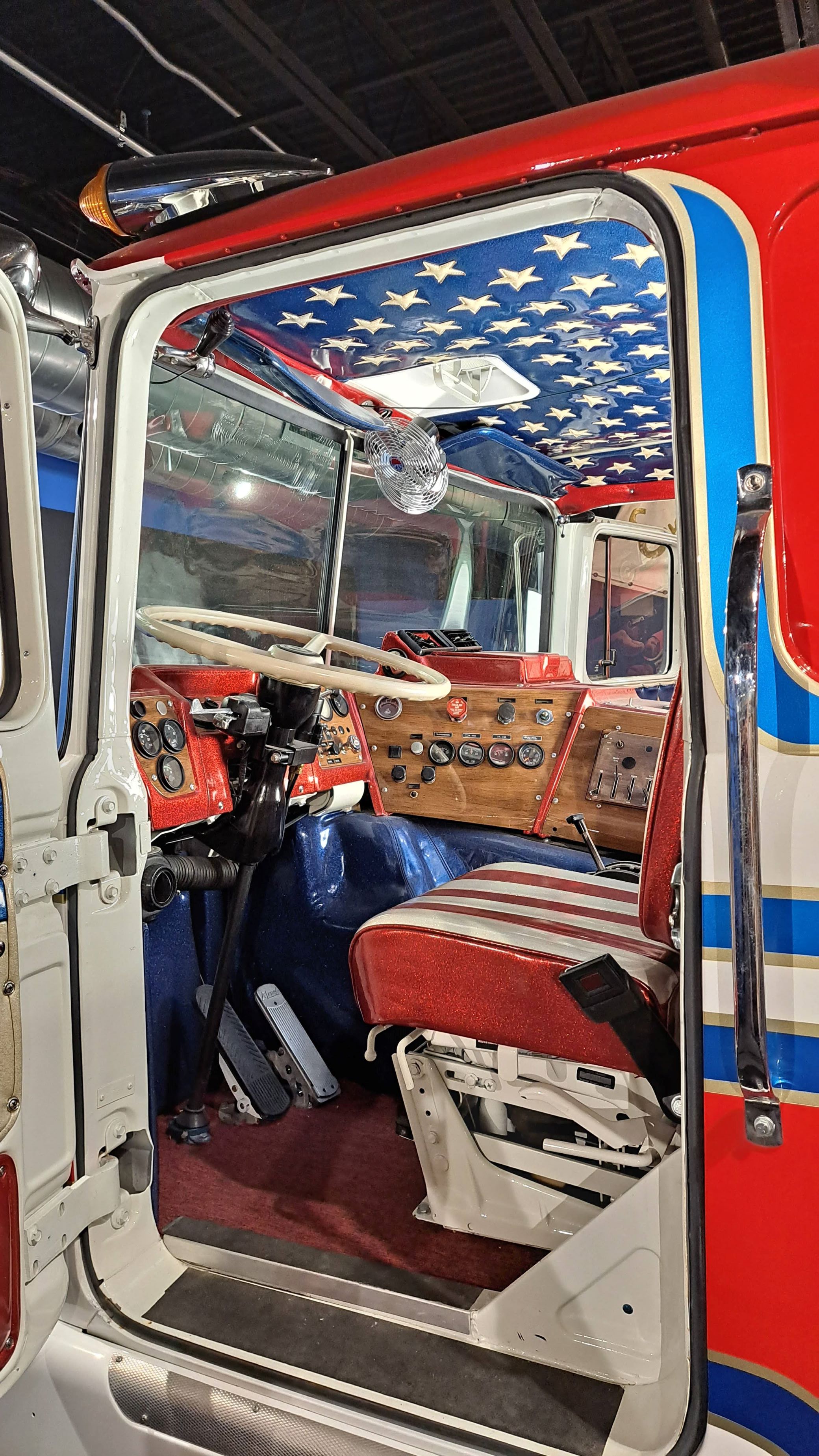
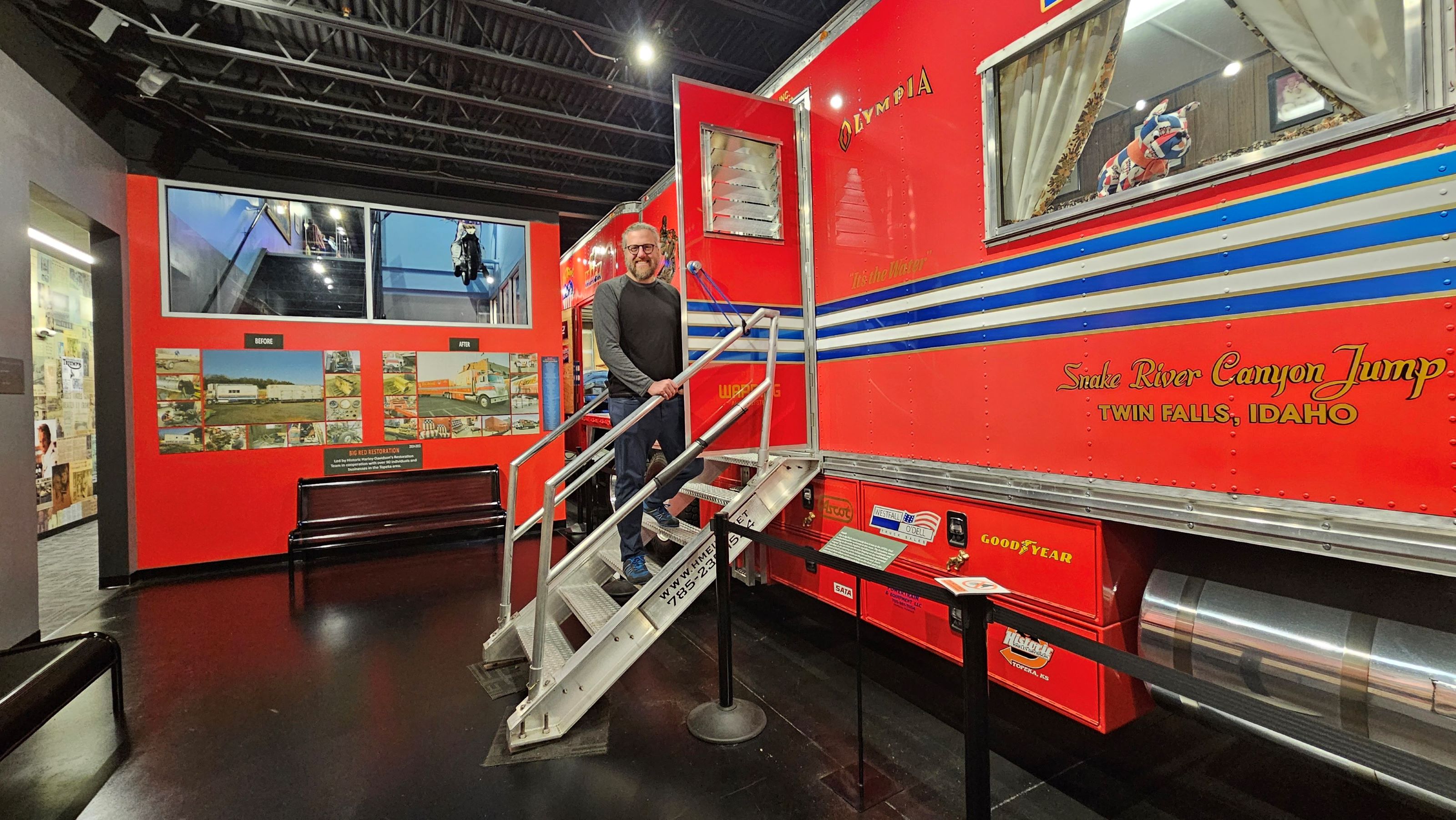
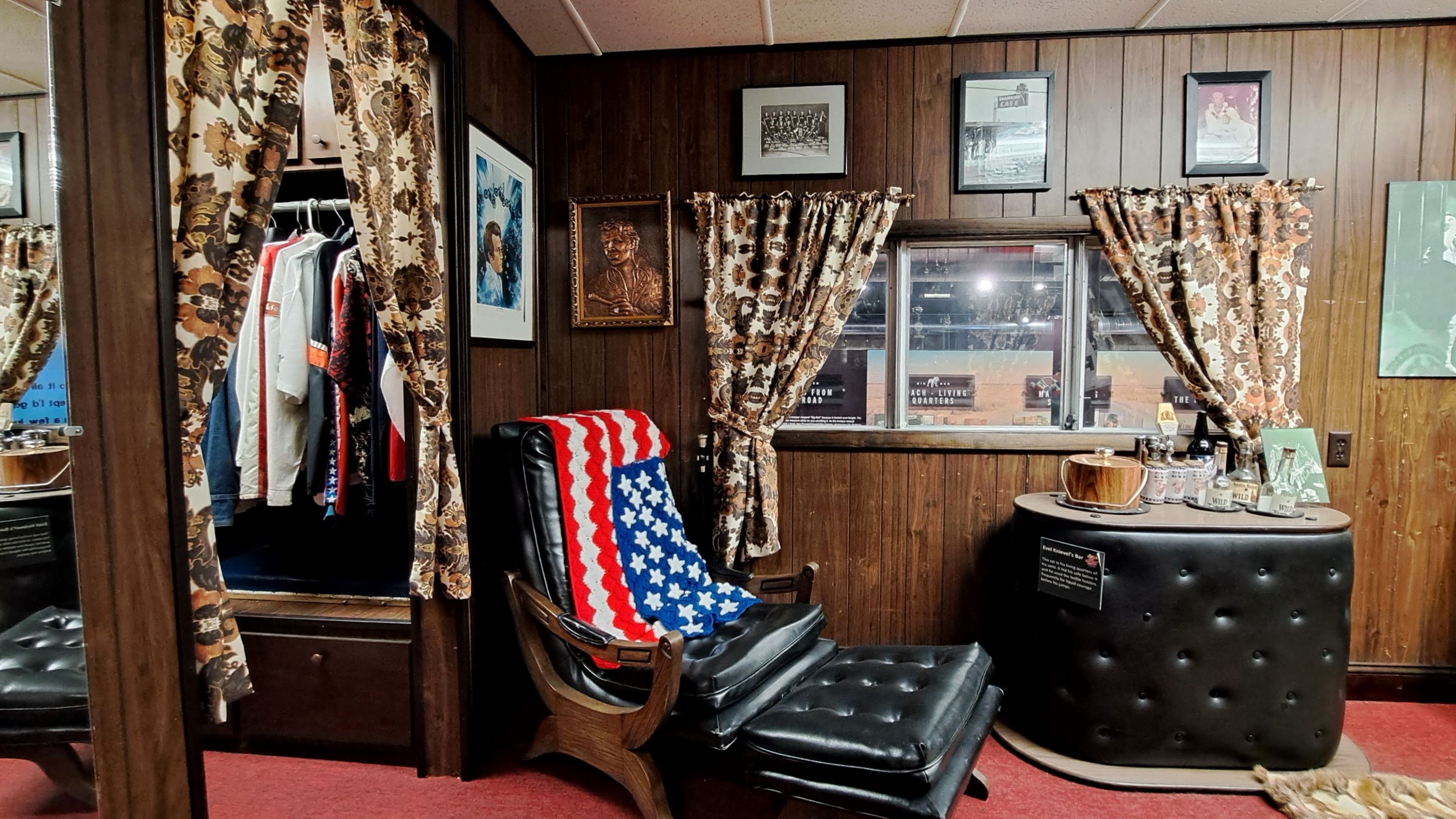
Two of the standout items were the rocket-powered cycle he used on his infamous attempt to jump the Snake River Canyon in 1974, and his iconic 1974 Mack Truck & Trailer “Big Red.”
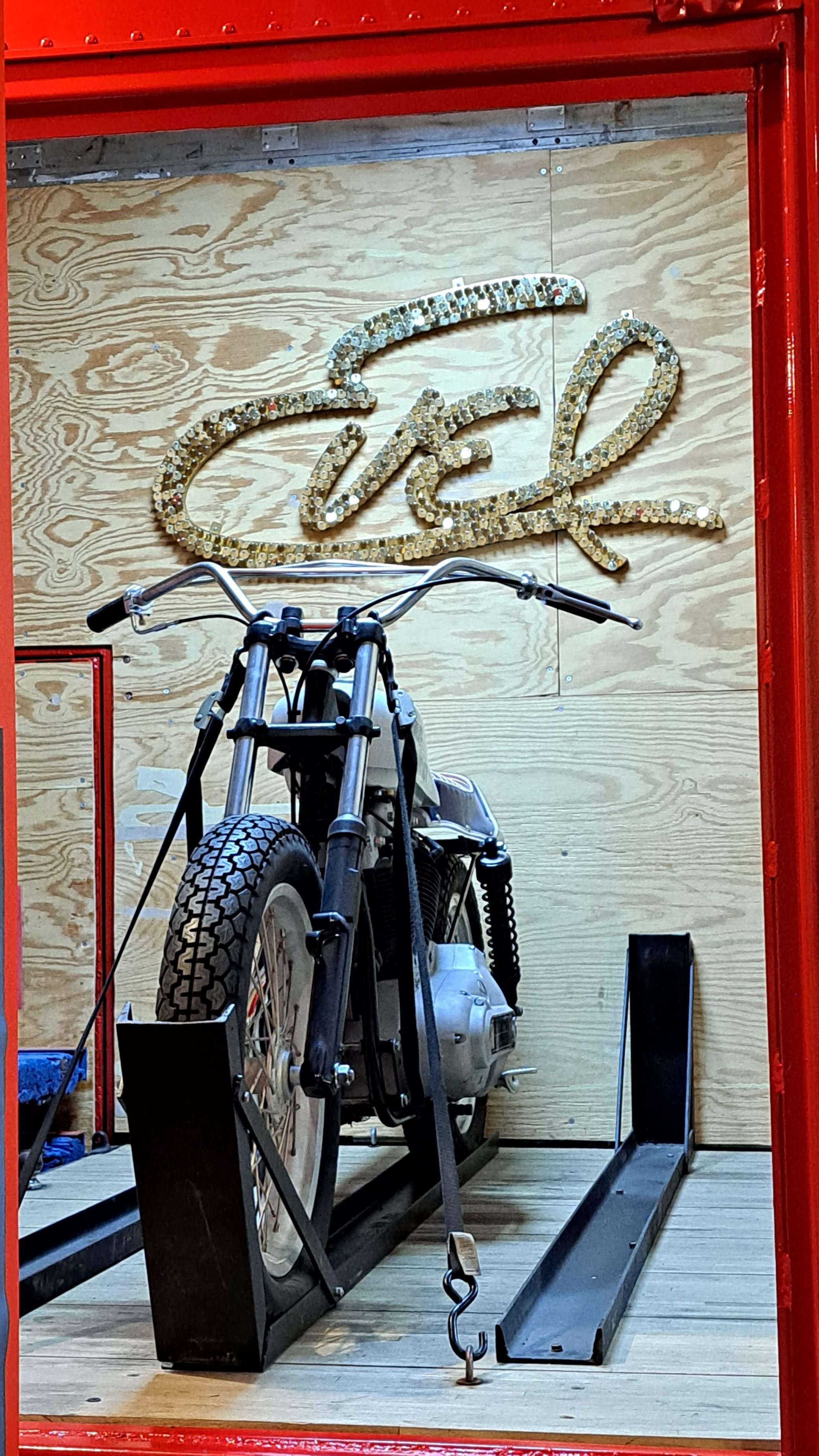
There was an interesting video describing how Big Red was discovered in total disrepair in 2011 and fully restored for a major unveiling in 2015. It was interesting walking around the rig and climbing up to look into his living space and the area where they loaded his bikes.


While our time in Topeka was brief, I enjoyed our museum stops and the broader opportunity to travel across Kansas for the first time.
 Heather's Compass