We have an ever-growing list of things to do and places to explore in and around Cheyenne, Wyoming, and have been doing our best to tackle a nearby activity or two during our free weekends. This has been especially helpful as family and friends come to visit and ask us what there is to do – up until recently, we didn’t really know!
One of the nearby sites that’s been on our list is the Wyoming Territorial Prison State Historic Site in Laramie, Wyoming, which is just under an hour away. It is one of only three federal territorial penitentiaries that still exist in the west today and the only one where the majority of the original structure has been preserved.
Listed on the National Register of Historic Places, the Wyoming Territorial Prison opened as a U.S. Penitentiary in 1872 and later became Wyoming’s first State Penitentiary. For 30 years it held violent and desperate outlaws. Now a museum, visitors walk through the building to discover the stories held behind the prison walls. At the “Big House across the River” displays of cells and artifacts reveal the Prison’s past.
https://wyoparks.wyo.gov/index.php/places-to-go/wyoming-territorial-prison


We ended up really enjoying our self-guided tour of the territorial prison and its assorted out buildings. After entering through the gift shop and getting our park pass and tickets, we (Brian, my mother-in-law, and me) followed the map the woman handed us to begin our tour at the prison itself.
The Wyoming Territorial Prison, originally situated on 640 acres, is the only federal penitentiary to have been built in Wyoming and the only facility which incarcerated federal and later state prisoners. It is over 18,000 square feet and is one of the oldest buildings still standing in the state.
Historic Site Brochure
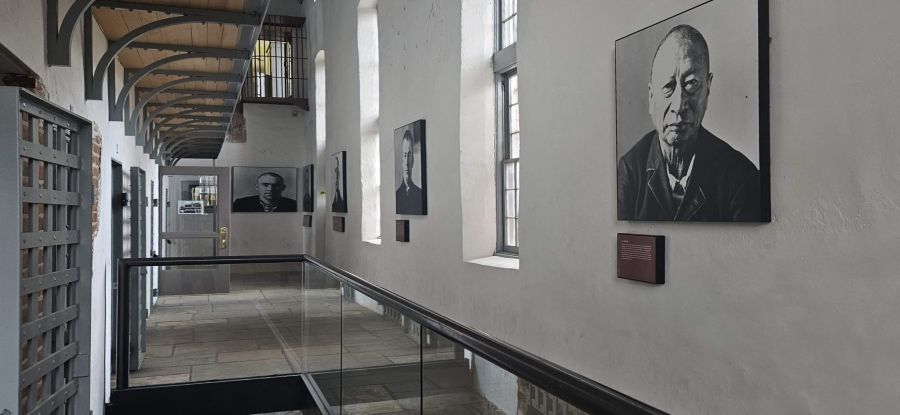
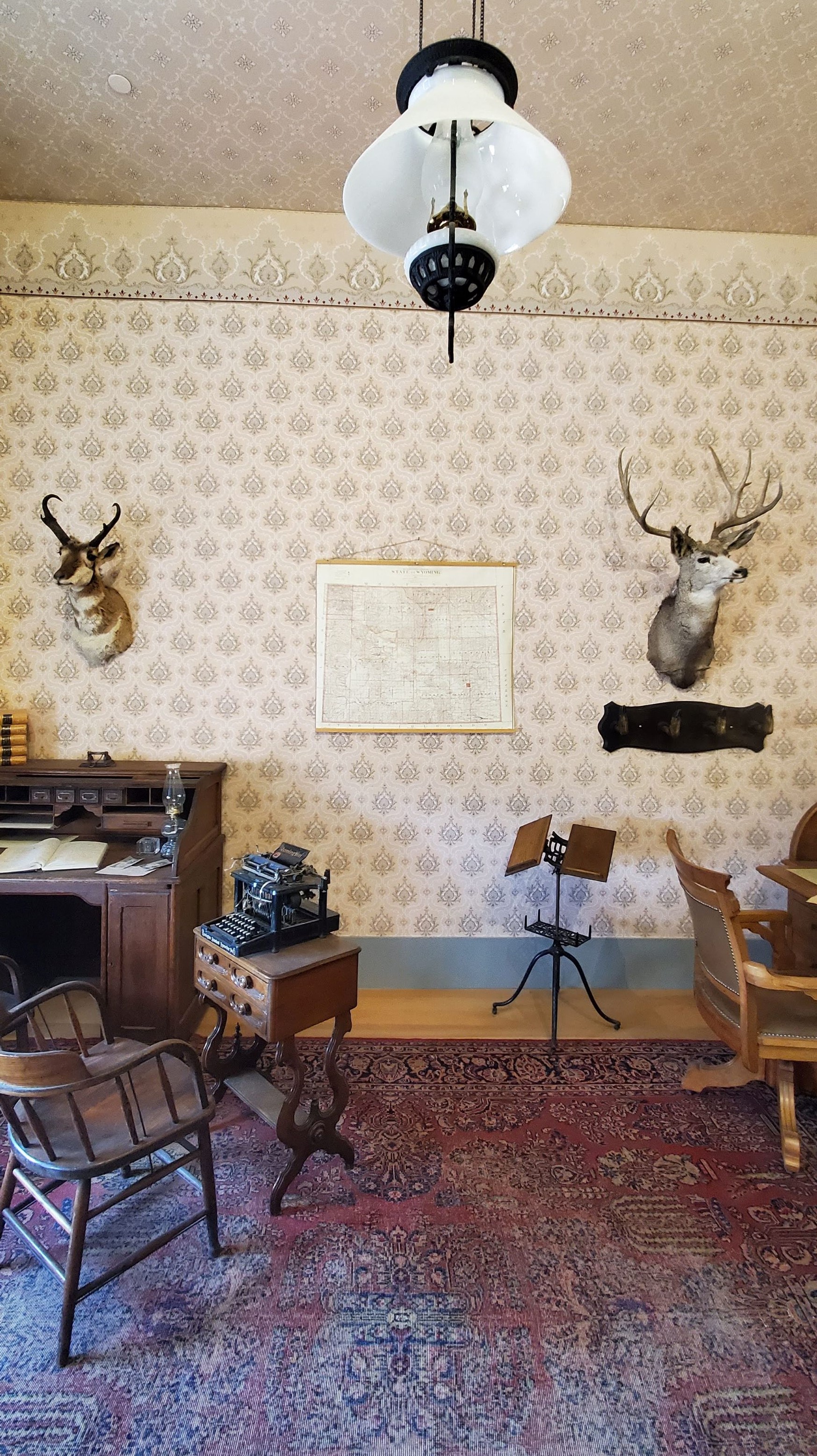
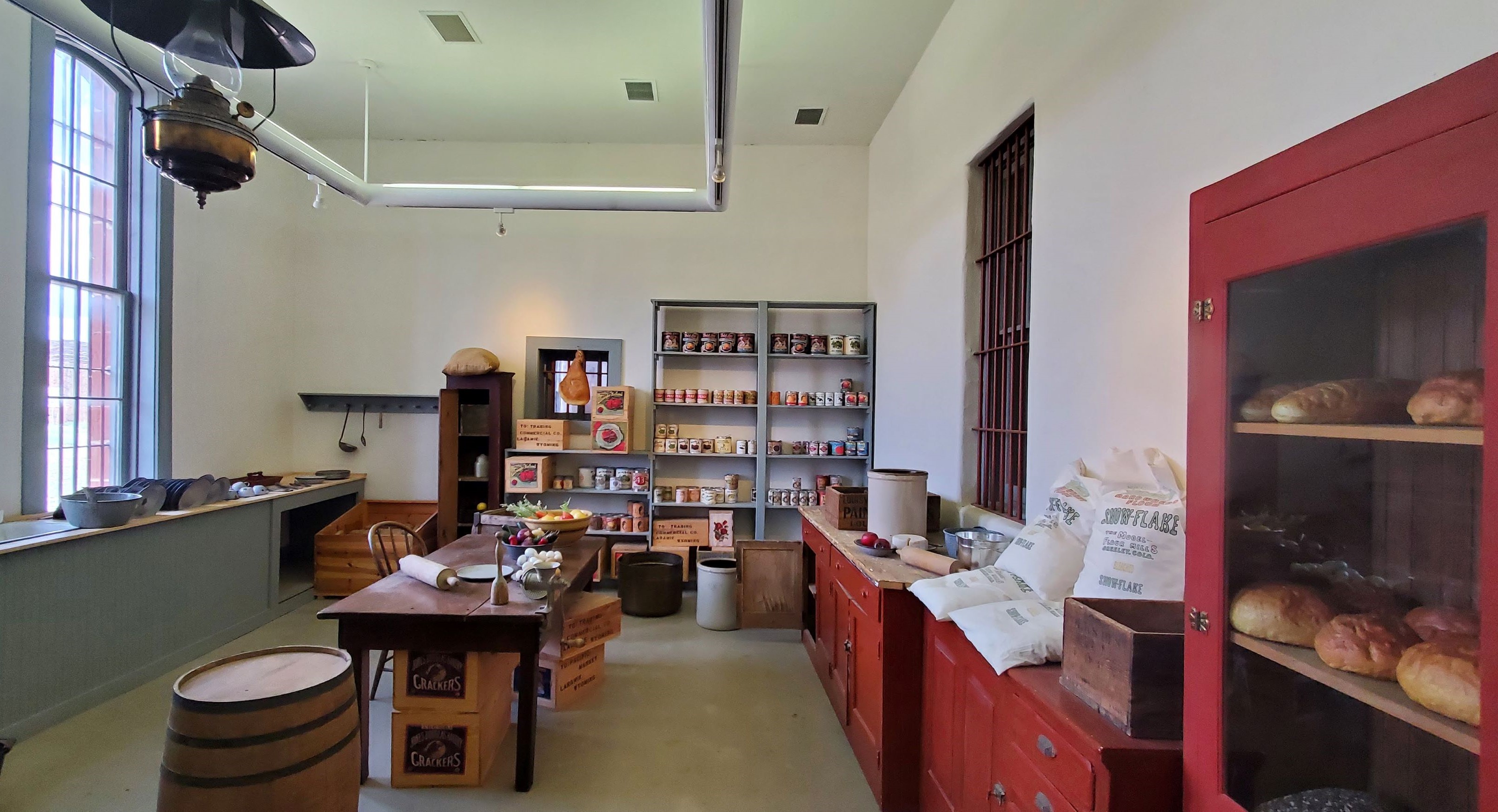
Our map had numbered rooms with corresponding information and there were also a variety of plaques on the walls with additional details about both the people who were incarcerated here as well as the uses of each room. Some of the rooms we walked through included the warden’s quarters, the kitchen, the dining hall, the bathrooms, laundry rooms, and infirmary.
As much as I enjoyed experiencing each of these areas, my favorite part was learning about how many times the prisoners escaped! In its first two years of operations alone, 11 of the 44 prisoners escaped, and it seemed like every new plaque we read detailed yet another successful attempt.
As we toured the guards’ quarters, we learned that the number of guards varied significantly over the years – ranging from 6 guards in 1873 to 35 guards in 1901 – and the high number of escapes has been attributed to these staffing considerations.
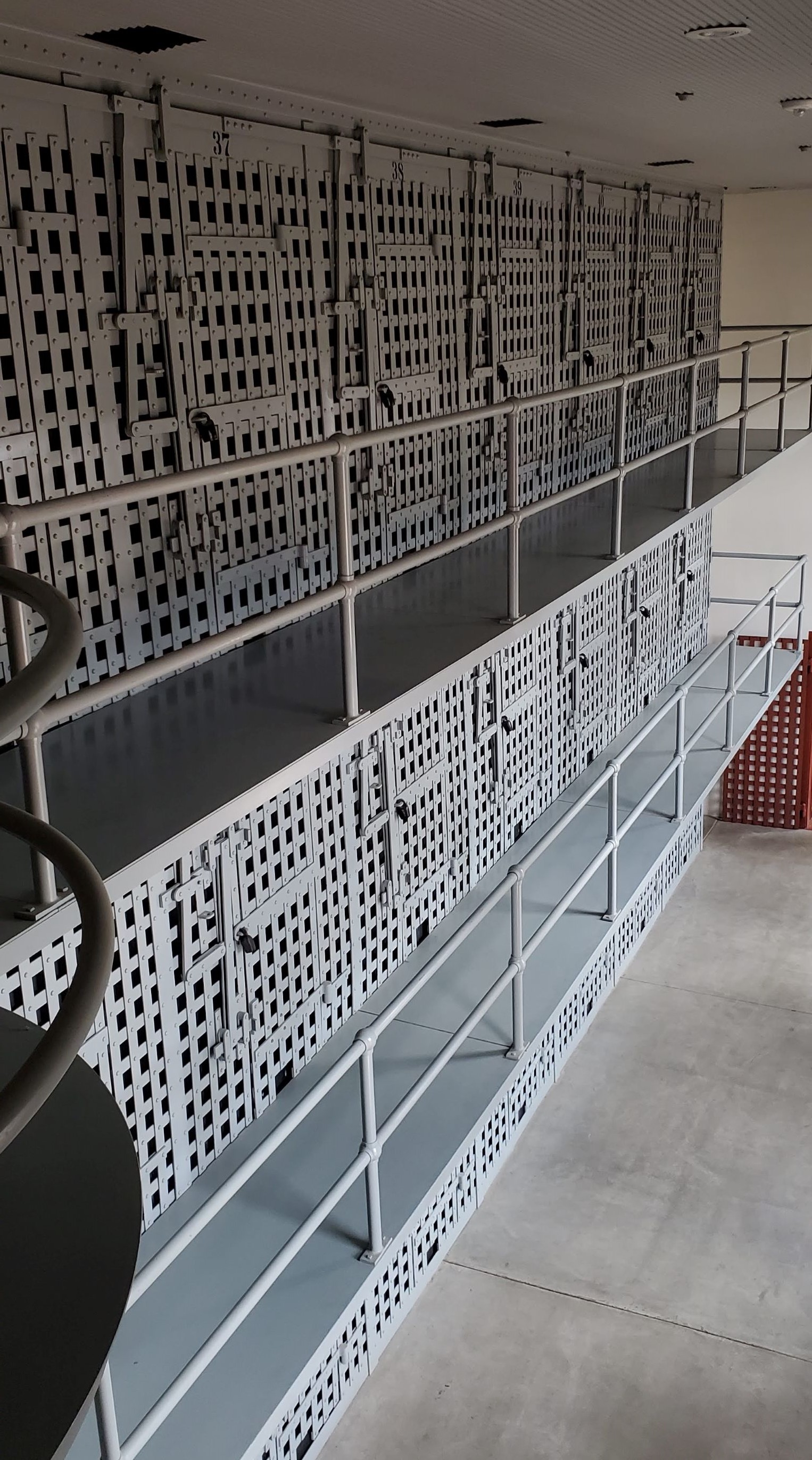
When the prison first started, the cell block included 14 cells on three levels with one bathroom per level. The cells were made of brick with an iron door and were designed to hold one person. Although the majority of early inmates were men, women who were incarcerated were located in the last cell on the level. By 1889, there were segregated cellblocks for men and women that were smaller and made from iron. The two types of cellblocks are pictured below.
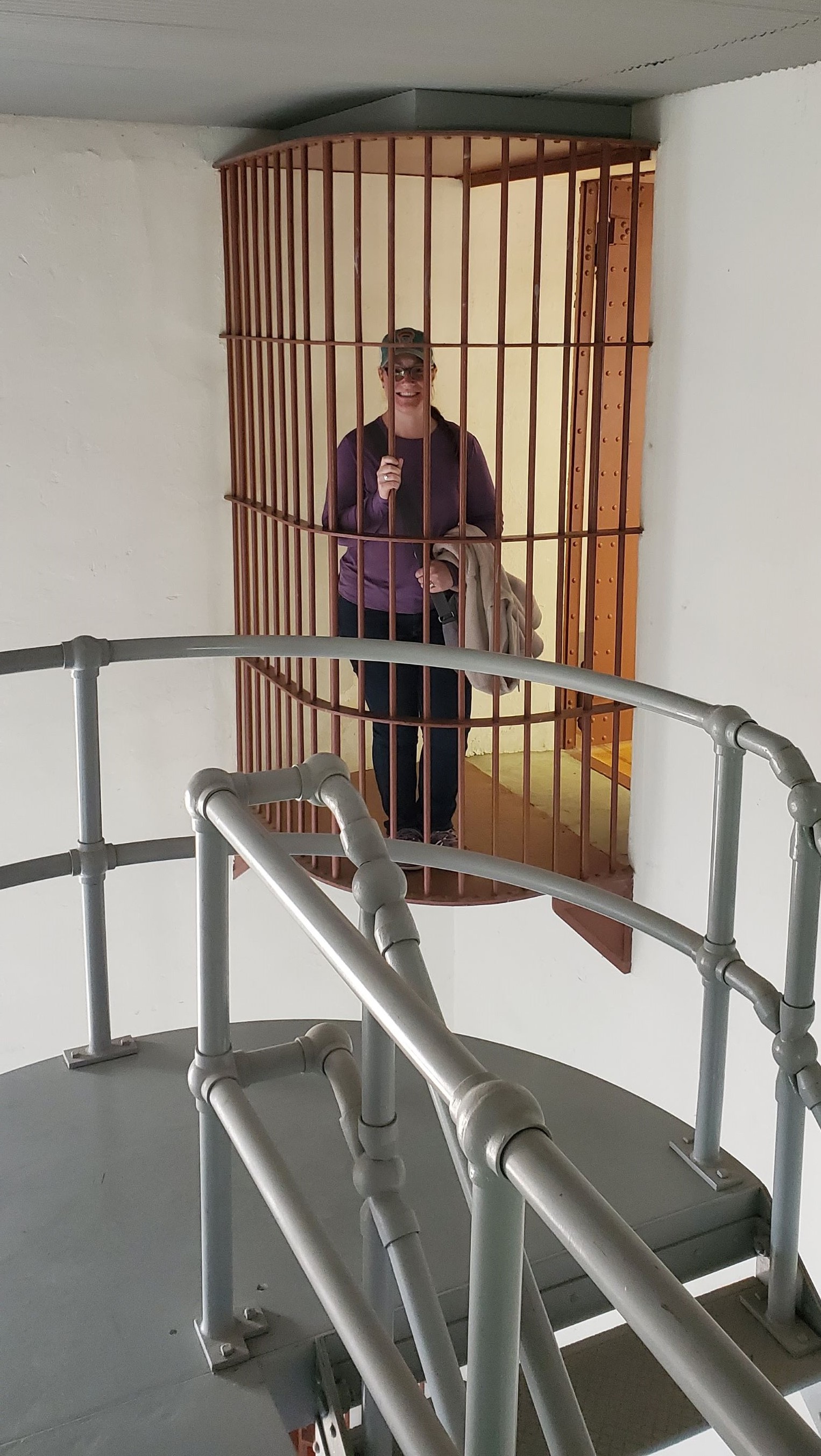
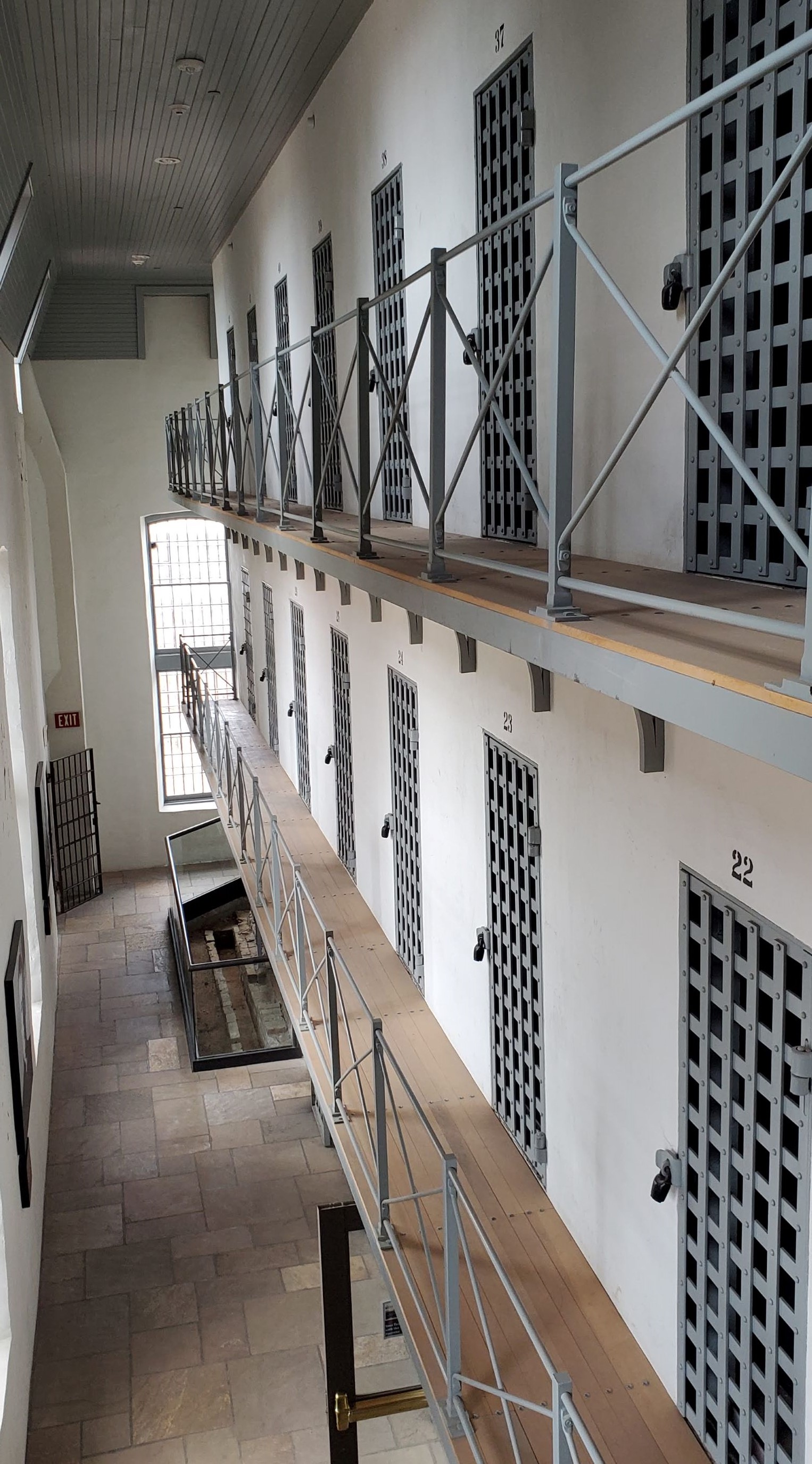

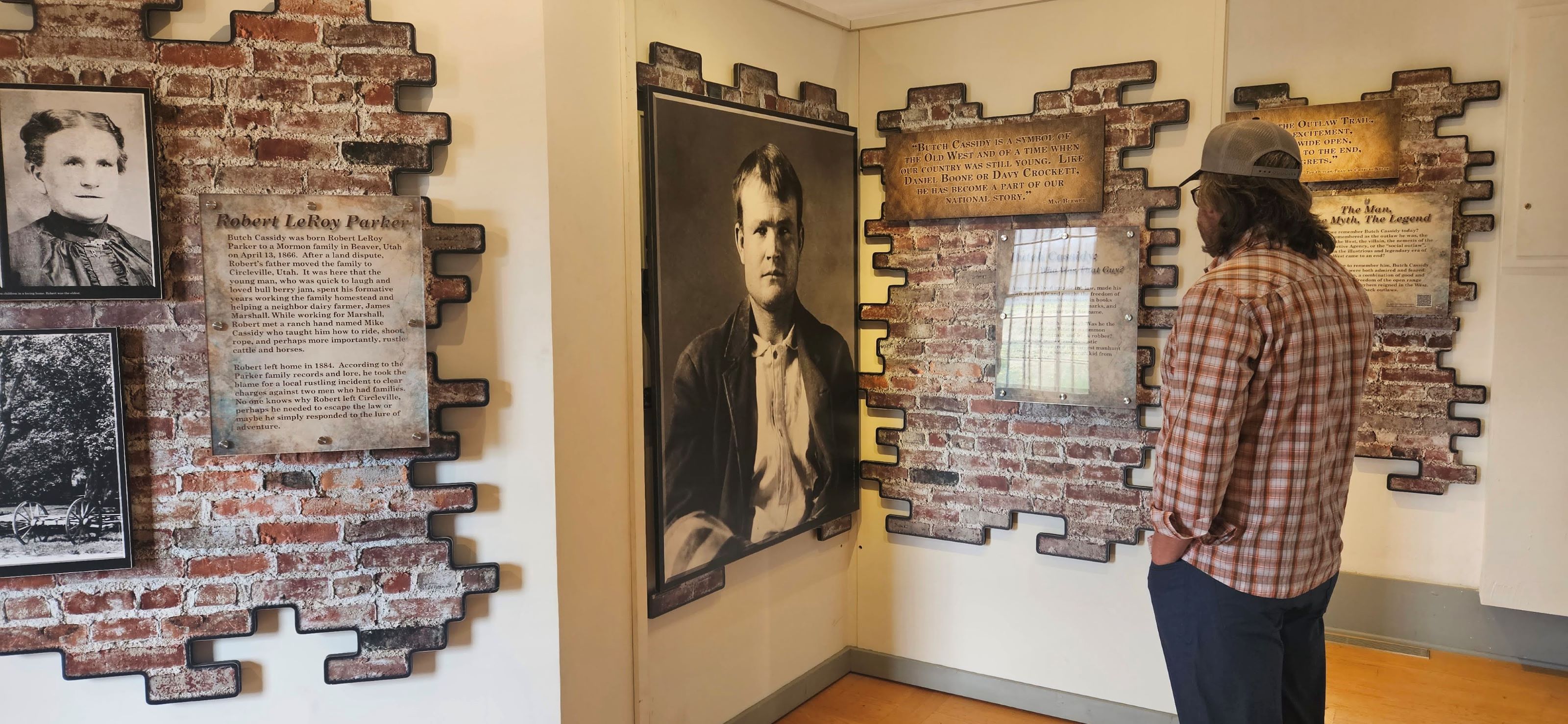
There were a couple of interesting special exhibits, including one about the prison’s most notorious convict, Butch Cassidy.
Cassidy was incarcerated at the Wyoming Prison at Laramie, for grand larceny (stealing horses) from 1894-1896. This would be the only Prison to ever hold Butch Cassidy. Upon his release he would establish the most successful band of bank and train robbers this country has ever seen. Butch and his gang would steal over $233,905.00 from trains, banks, and mining payrolls all over the West in five years.
https://wyoparks.wyo.gov/index.php/places-to-go/wyoming-territorial-prison
In addition to the prison itself, we toured one of the prison industry buildings where they made brooms, whisks, and brushes that were shipped across the country. Following renovations in 2009, the broom factory is once again operational with instructional videos showing how the equipment is used in this handmade process. My mother-in-law bought one of the hand brushes in the gift shop and says it’s worked really well!
There were several other outbuildings to explore but those will have to wait for another day. We were several hours into our visit just exploring the prison itself – to see everything would easily take a half day or more. There are also guided tours that I’m sure are even more informative.
There are so many things wrong with the prison system in this country – it was impossible not to think about that as we toured this site. Nevertheless, I did appreciate the dedication to telling the stories of the many individuals who passed through this location during its 30-year operation in the late 1800s – they were people with complicated stories and varying degrees of reform following their time here.
I also learned a great deal about how governance worked during Wyoming’s territorial days prior to statehood, which was instructive as we continue to learn more about this part of the country we currently call home. I’ll definately recommend it to others who are visiting and interested in the history of this area.
 Heather's Compass
Pingback: Things to Do: Cheyenne, Wyoming – Heather's Compass