
I don’t know how I originally learned about the Cotswolds. But I’ve talked about visiting ad nauseum since then, much to Brian’s chagrin.
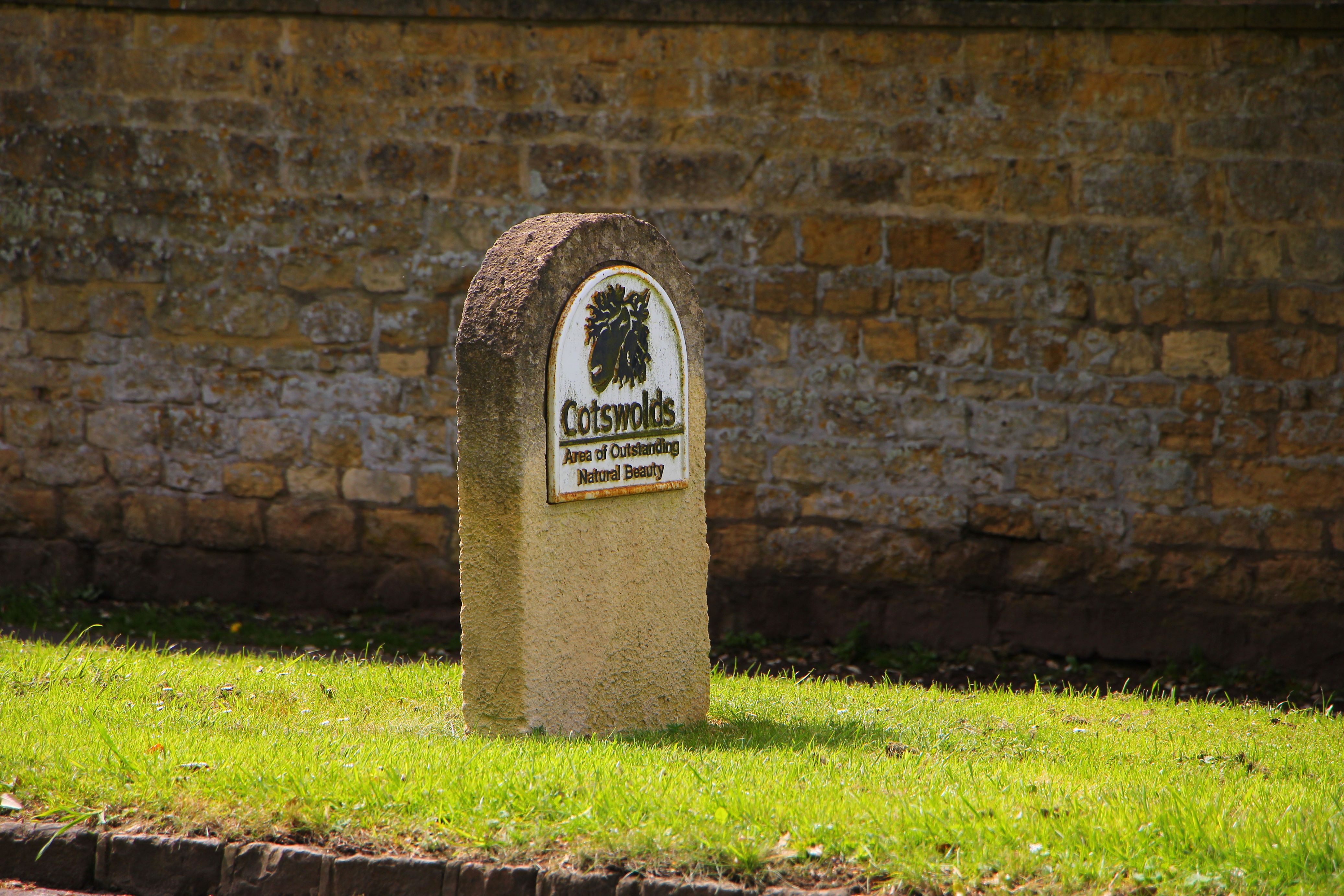
As luck would have it, this Area of Outstanding Natural Beauty (AONB) covers 800 square miles in south-central England that we needed to traverse as we headed from Cardiff, Wales, to London.
We spent our morning exploring Tintern Abbey and our afternoon hitting a couple of the small villages in the Cotswolds. It was nearly impossible to narrow down which places to visit in our short window of time, but the two villages we picked had unique charms that gave us a flavor of the area and a strong desire to return some day.
Visiting the Cotswolds: Broadway
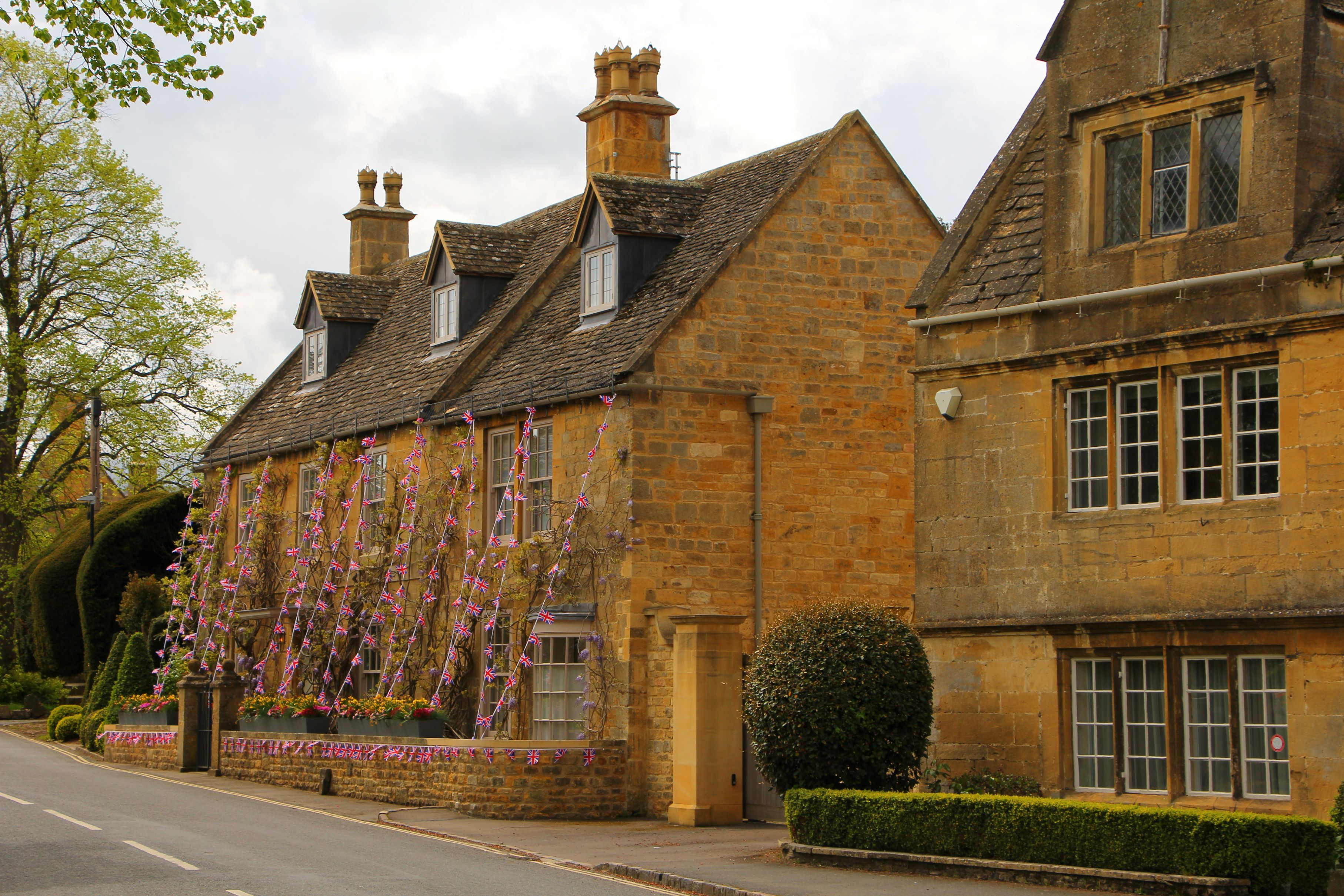
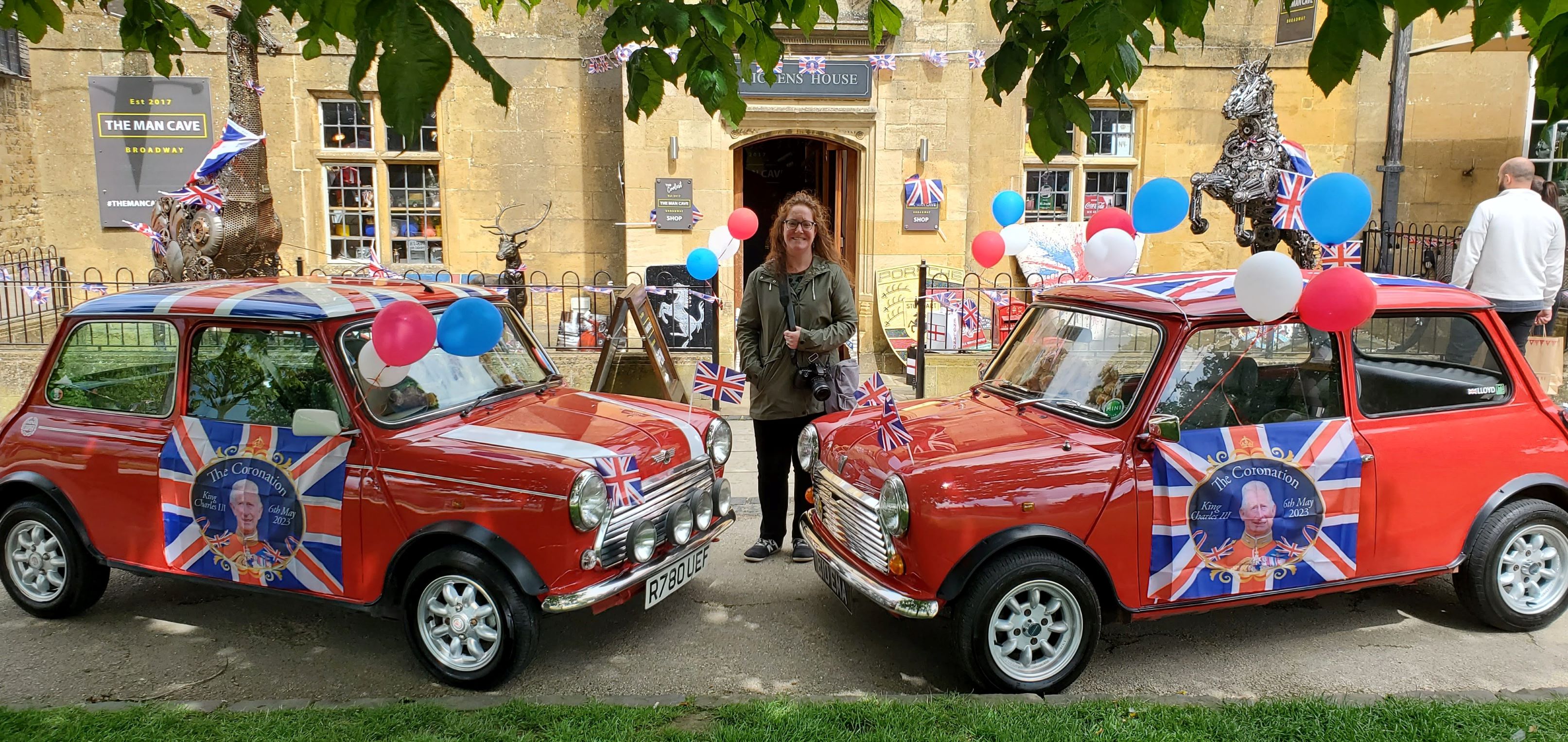
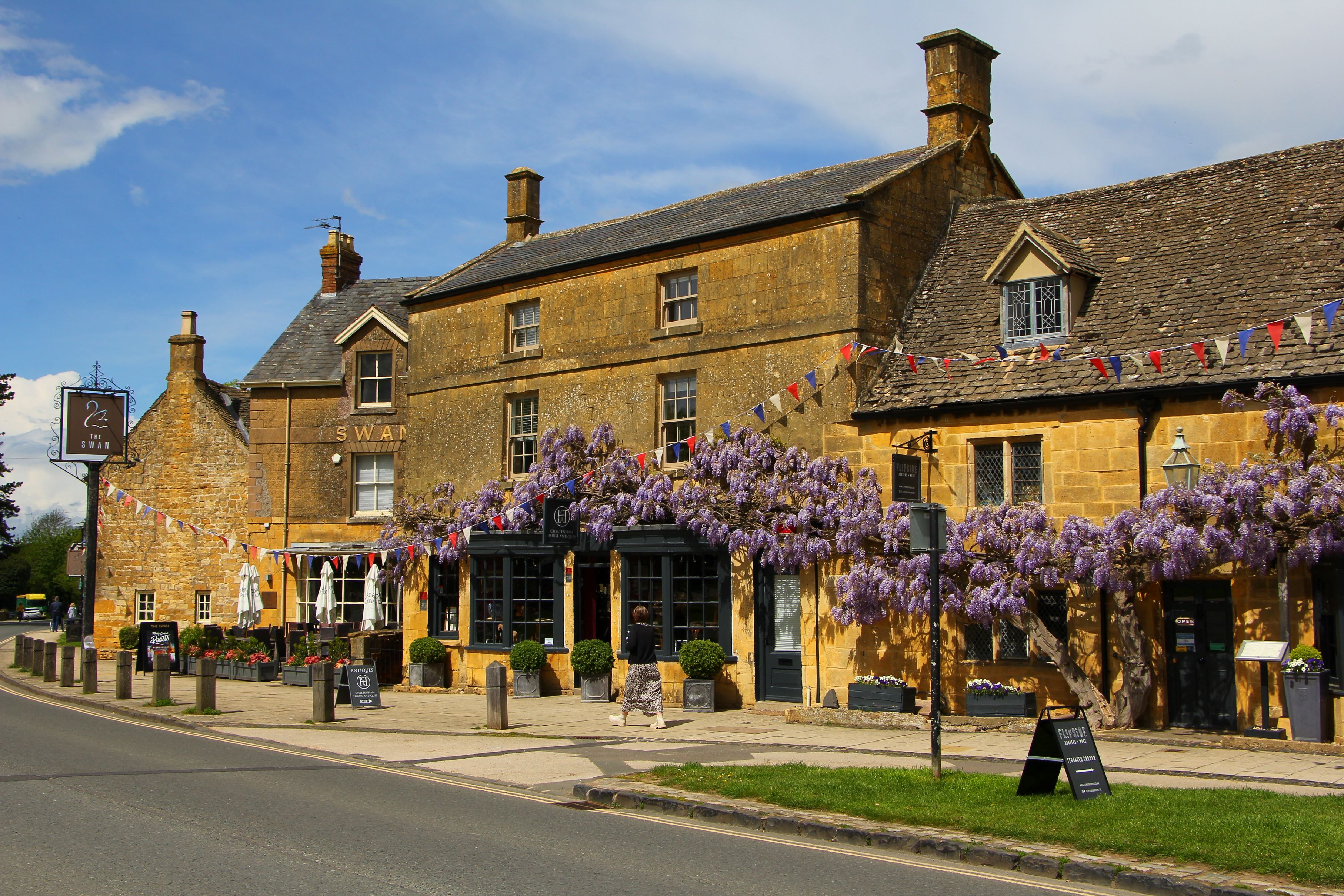
Our first stop was in Broadway. We found a free car park not far from downtown and walked to High Street where we wandered around. Everything was decked out for King Charles Coronation weekend and looking very festive!
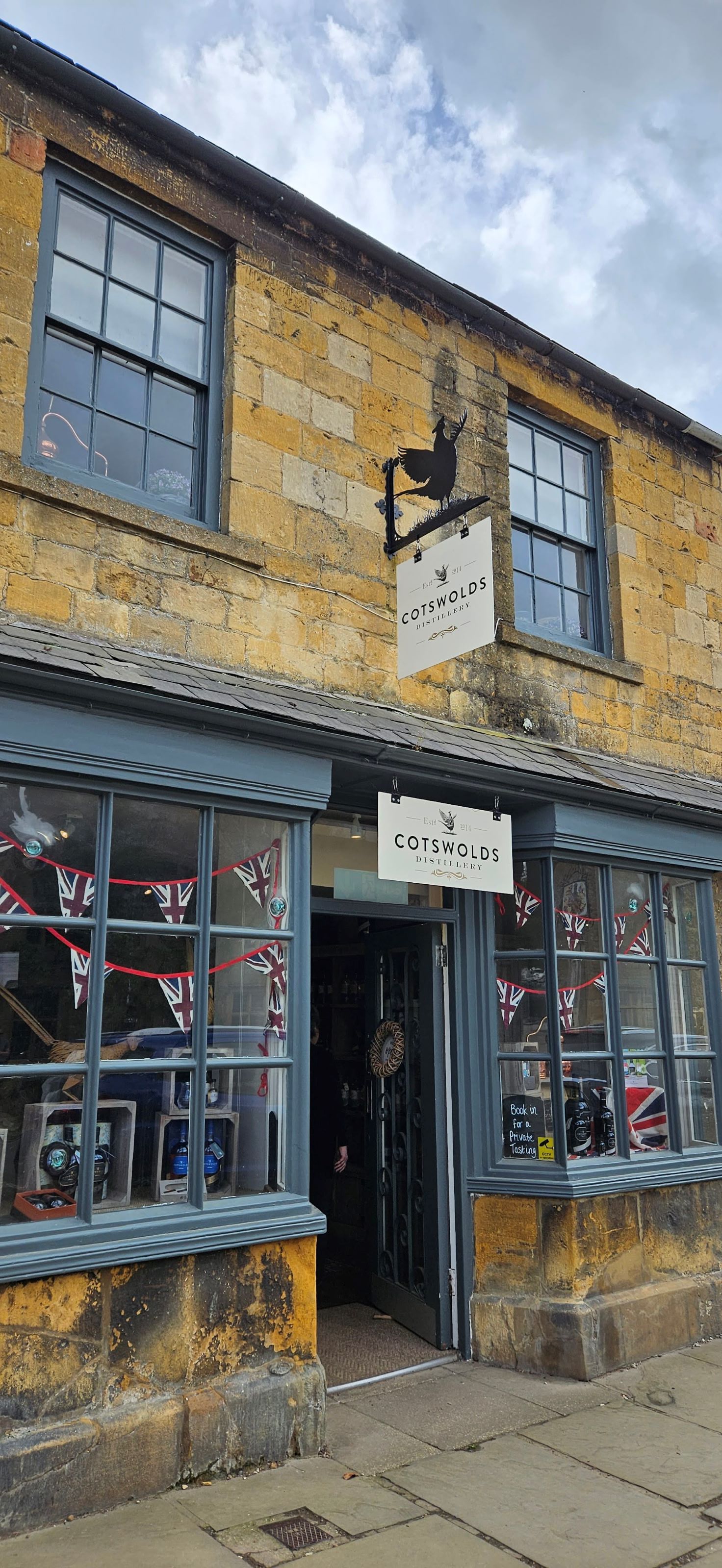
We stopped briefly at the Lygon Arms, which has been a hotel since 1532! We also ducked into Cotswolds Distillery for a tasting and then a small cafe nearby for some pasties (yes, that’s correct – not pastries, these are different!) and dessert.
There were tons of quaint shops I would have loved to explore if we’d had more time, but there was another key Broadway site we wanted to see and we needed to drive a bit to reach it.

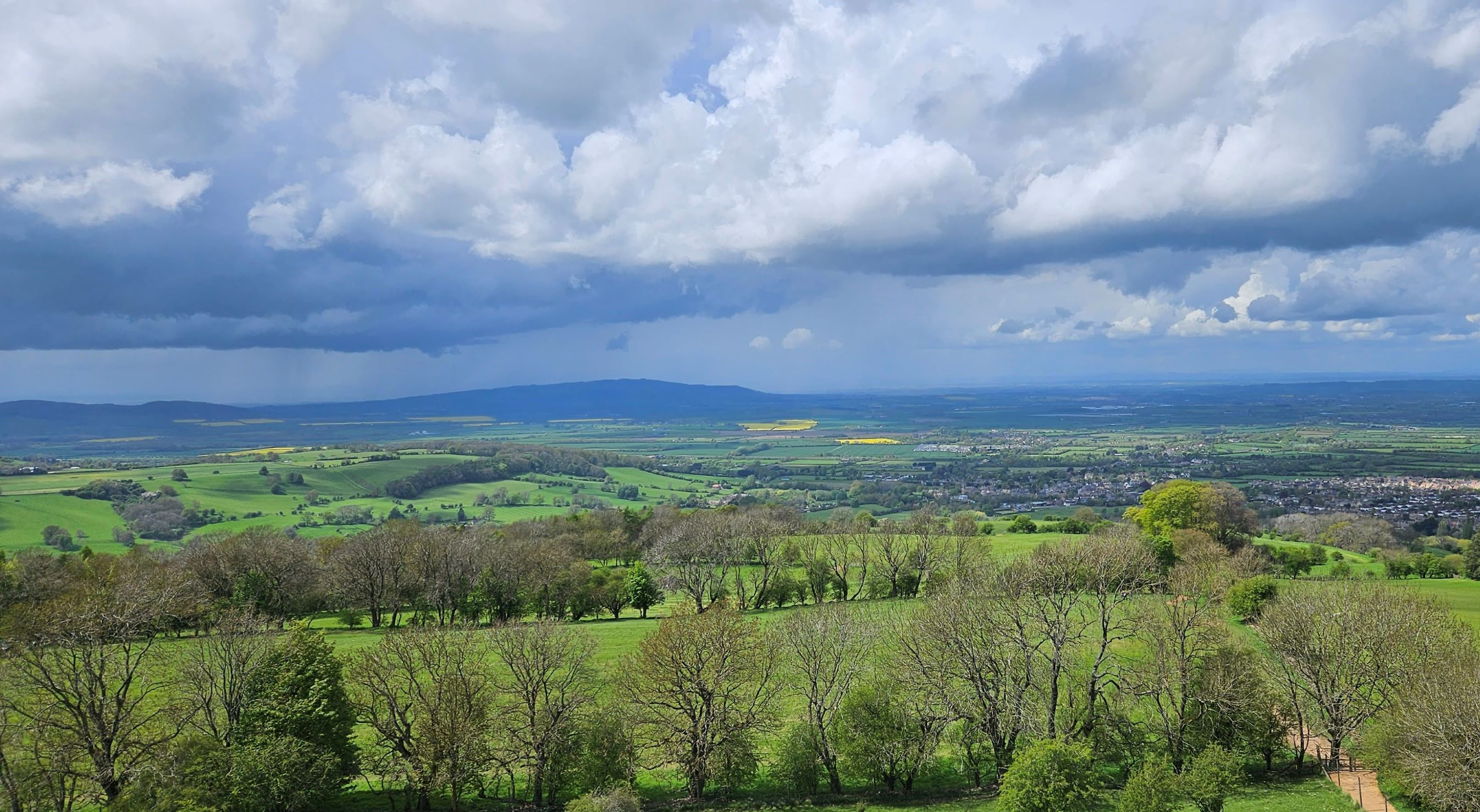
Just outside of the village on Beacon Hill is Broadway Tower.
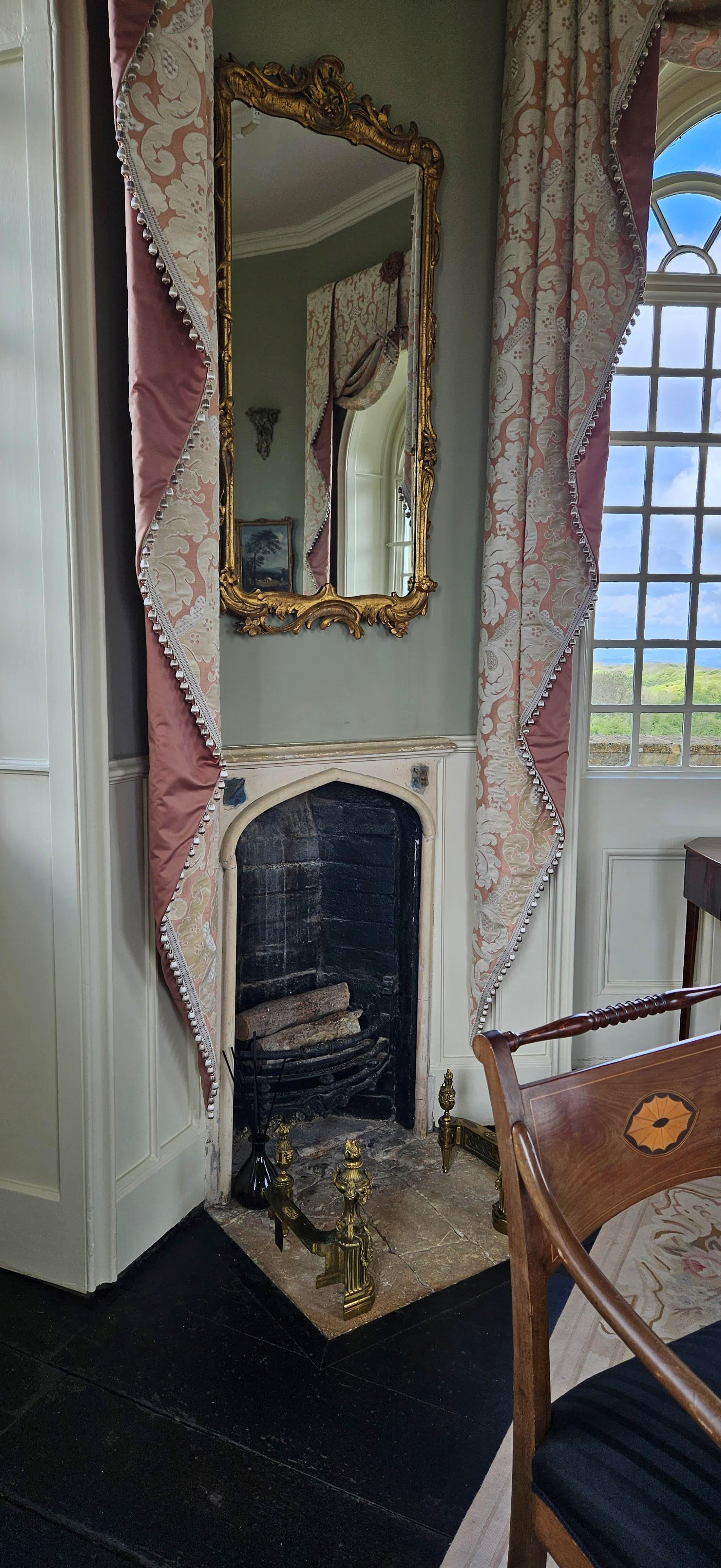
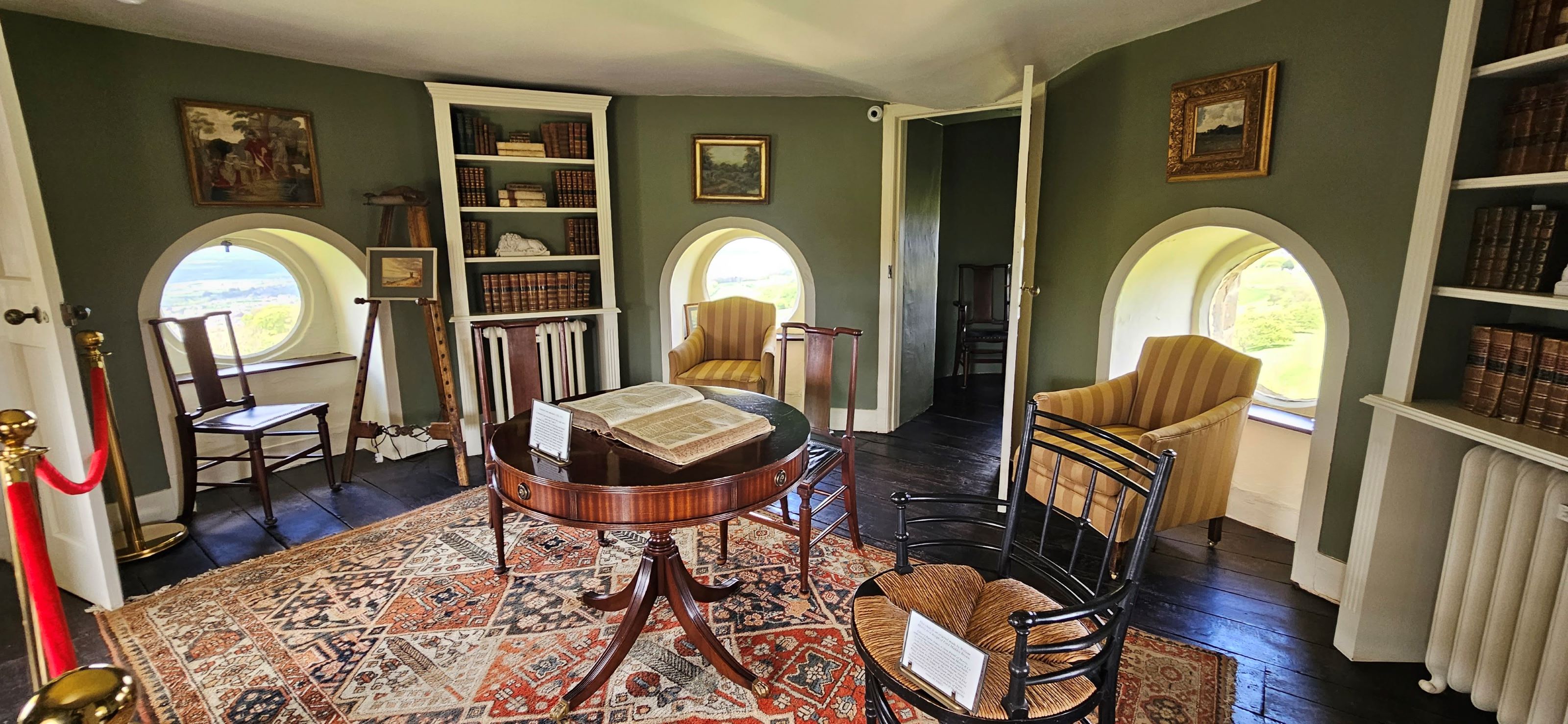
This 18th century ‘folly’ was designed with battlements, turrets, gargoyles, and balconies as a retreat for George William 6th Earl of Coventry. In addition to enjoying the tower and surrounding acreage with friends and family, he was known to host the most influential artists, writers, and other leaders of the arts community – and not without some drama and intrigue!


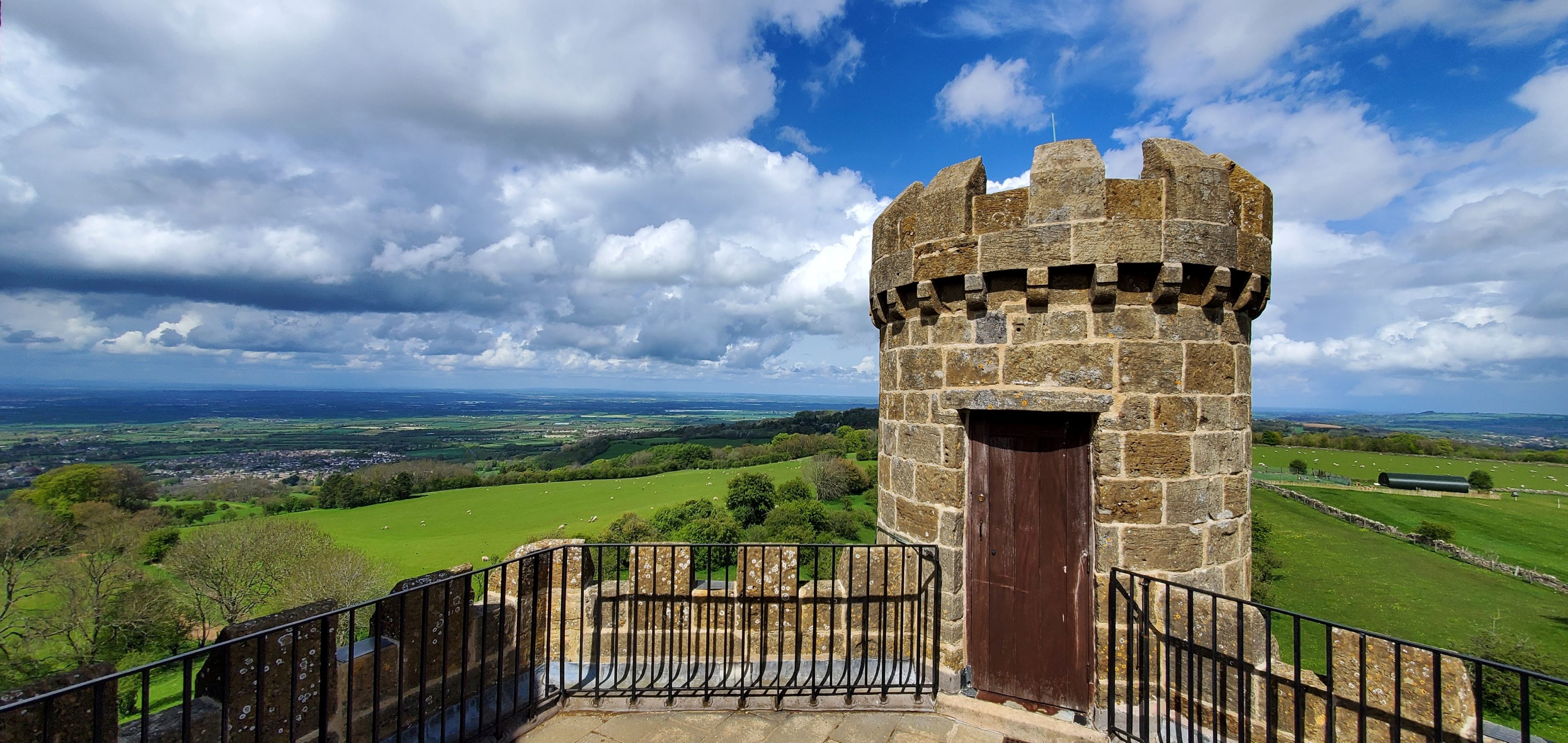
In the 1980s, the tower and estate were purchased by a couple at a public auction who loved the history and wanted to open it to the public.
Today, their daughter continues to manage the destination, which now includes the museum, guided tours, shopping and dining, and other ways to explore the grounds.
We did an audio guide tour of the immediate grounds and the tower, and I enjoyed learning about how the different levels were used and some of the behind-the-scenes stories about the occupants. It was definitely a worthwhile stop!
Visiting the Cotswolds: Burford
Our second stop was in Burford, where is was very busy. The main road through town was backed up with traffic the entire time we were there so I was happy we found parking a short walk away from the chaos so we could navigate on foot!
Burford is known as the ‘gateway to the Cotswolds’ as it is the first main town you enter in this region as you’re approaching from London. Clearly that was the case during our visit!
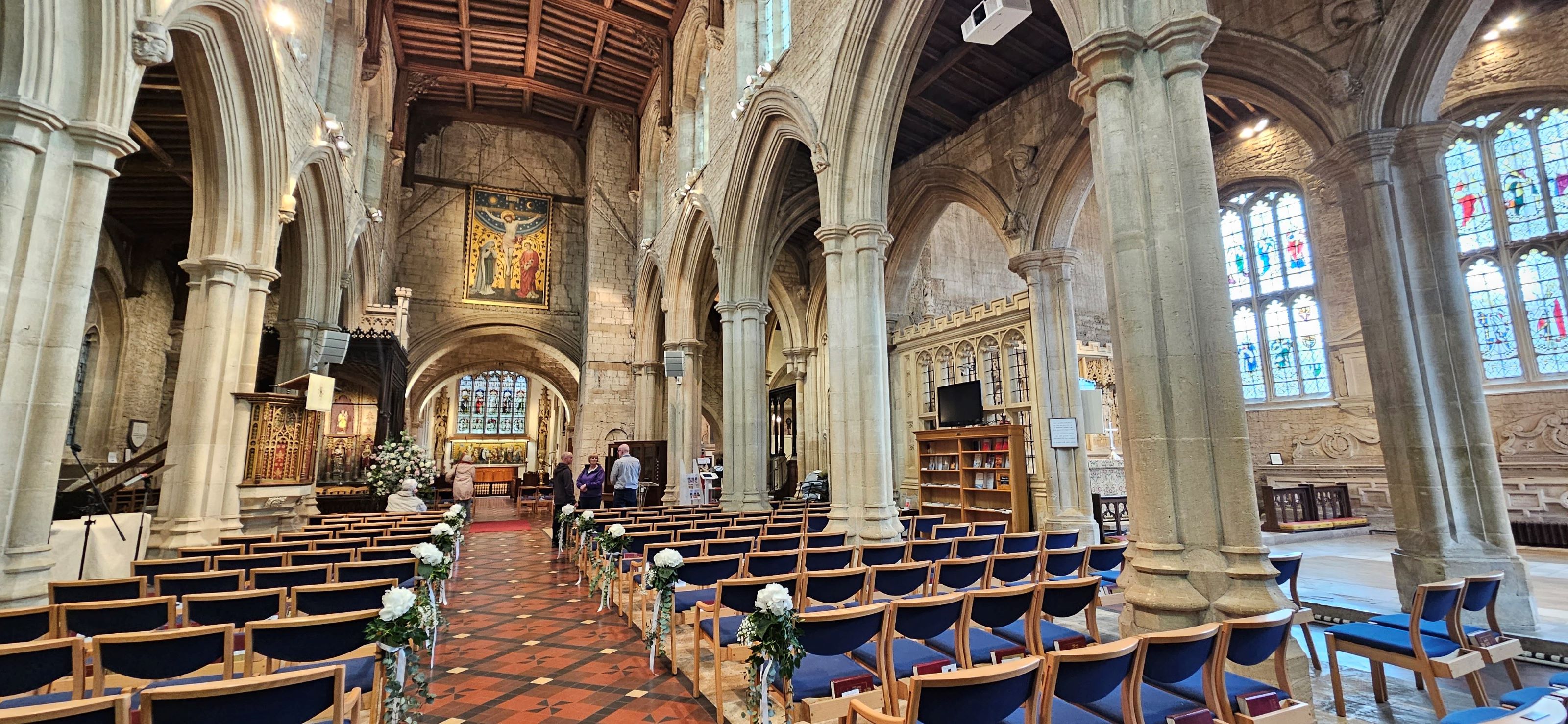
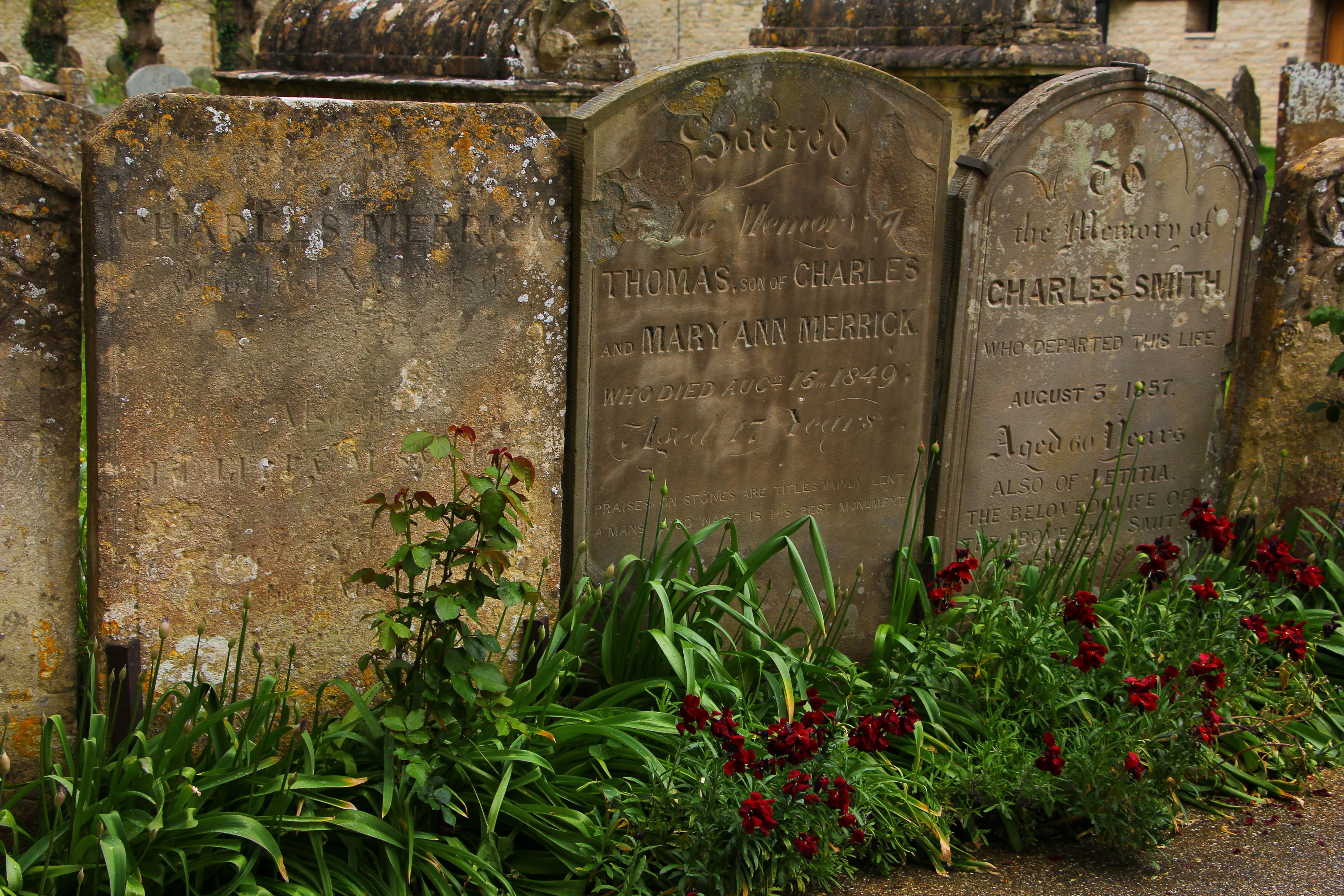
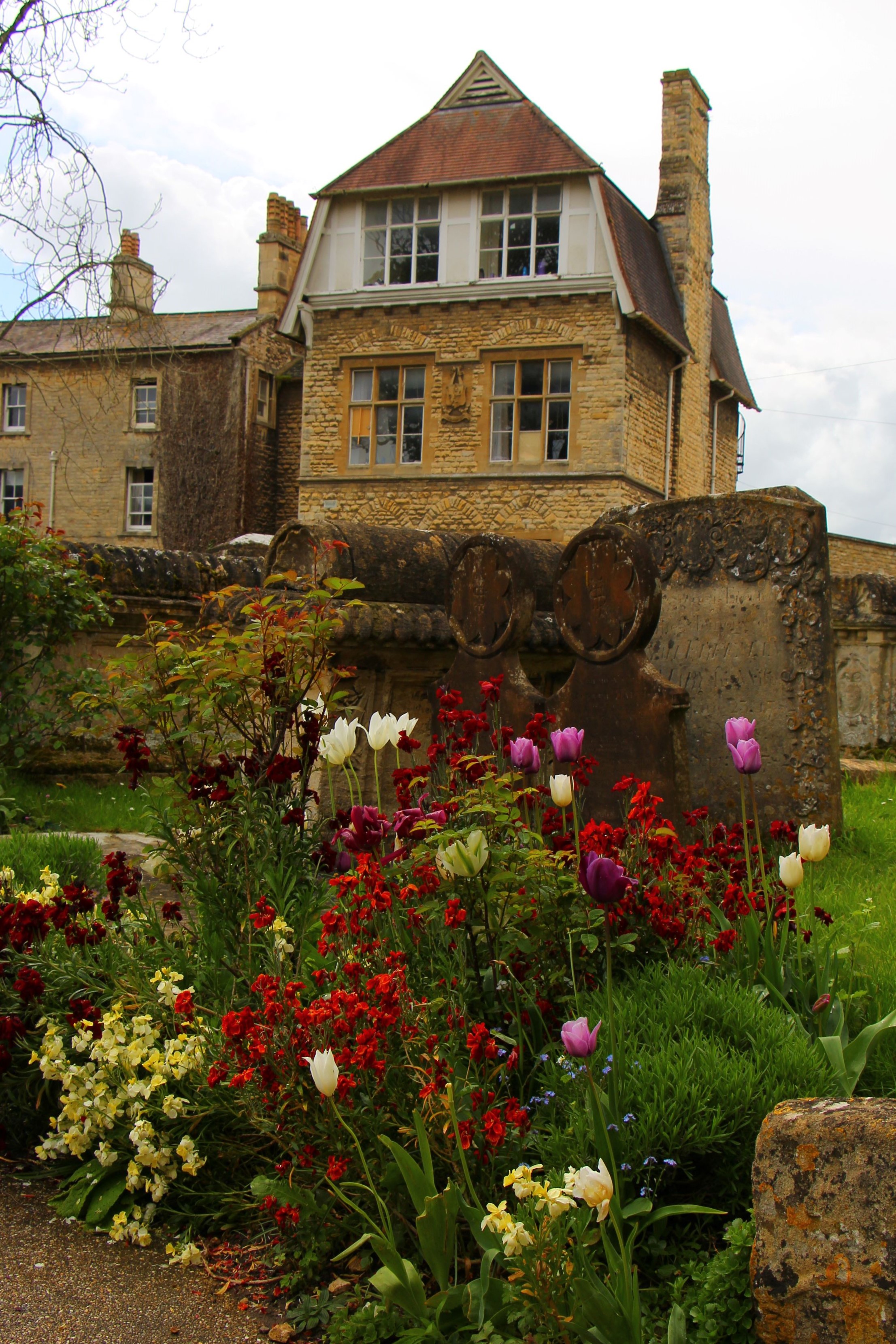
Right around the corner from where we parked was St. John the Baptist church. Parts of the church date back to the late 1100s, although the church wasn’t fully completed until 1500.
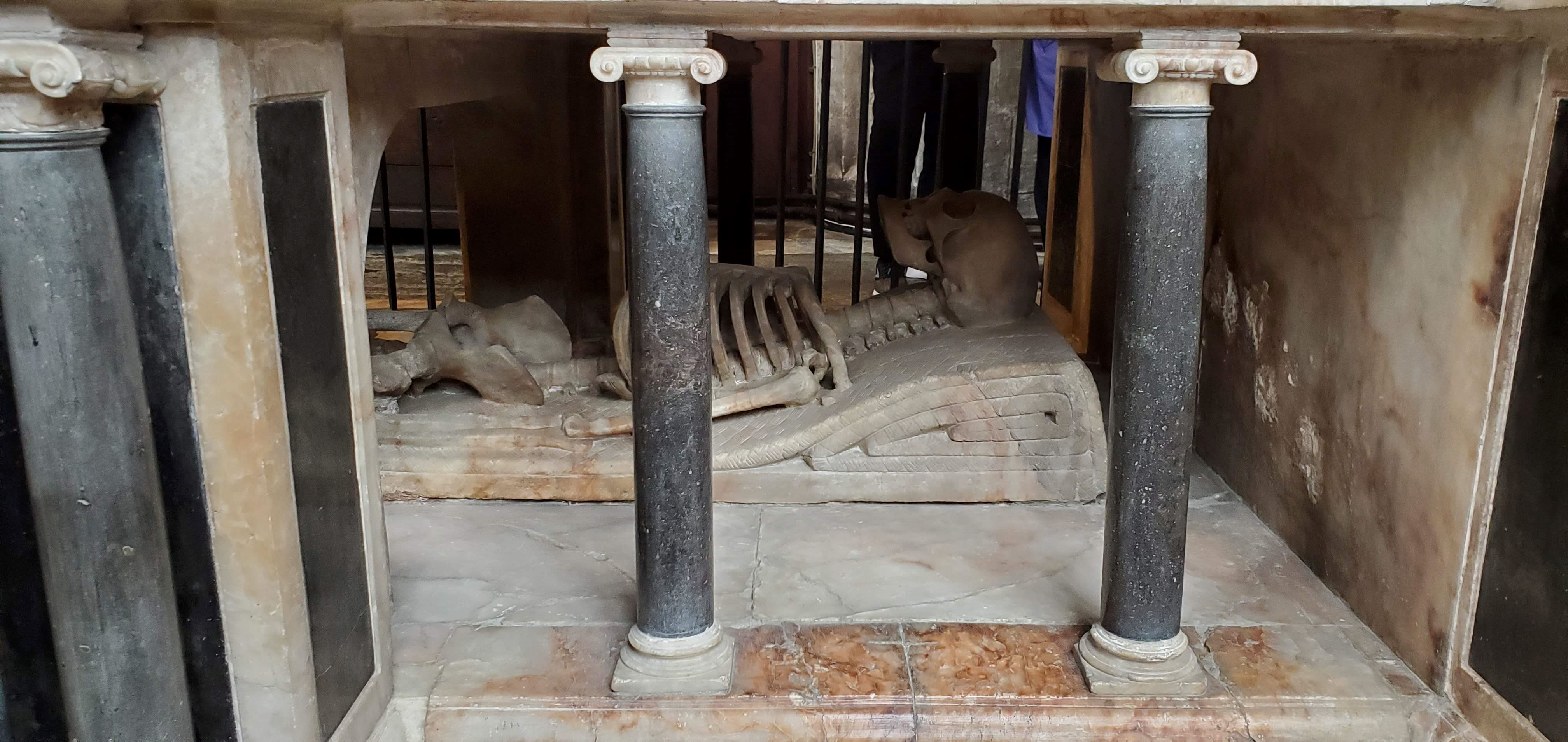
We roamed around inside but there wasn’t a great deal of information so we didn’t end up staying long. One of the main points of interest to me was the skeleton underneath one of tombs. While most of it was a replica, one of the leg bones was real!


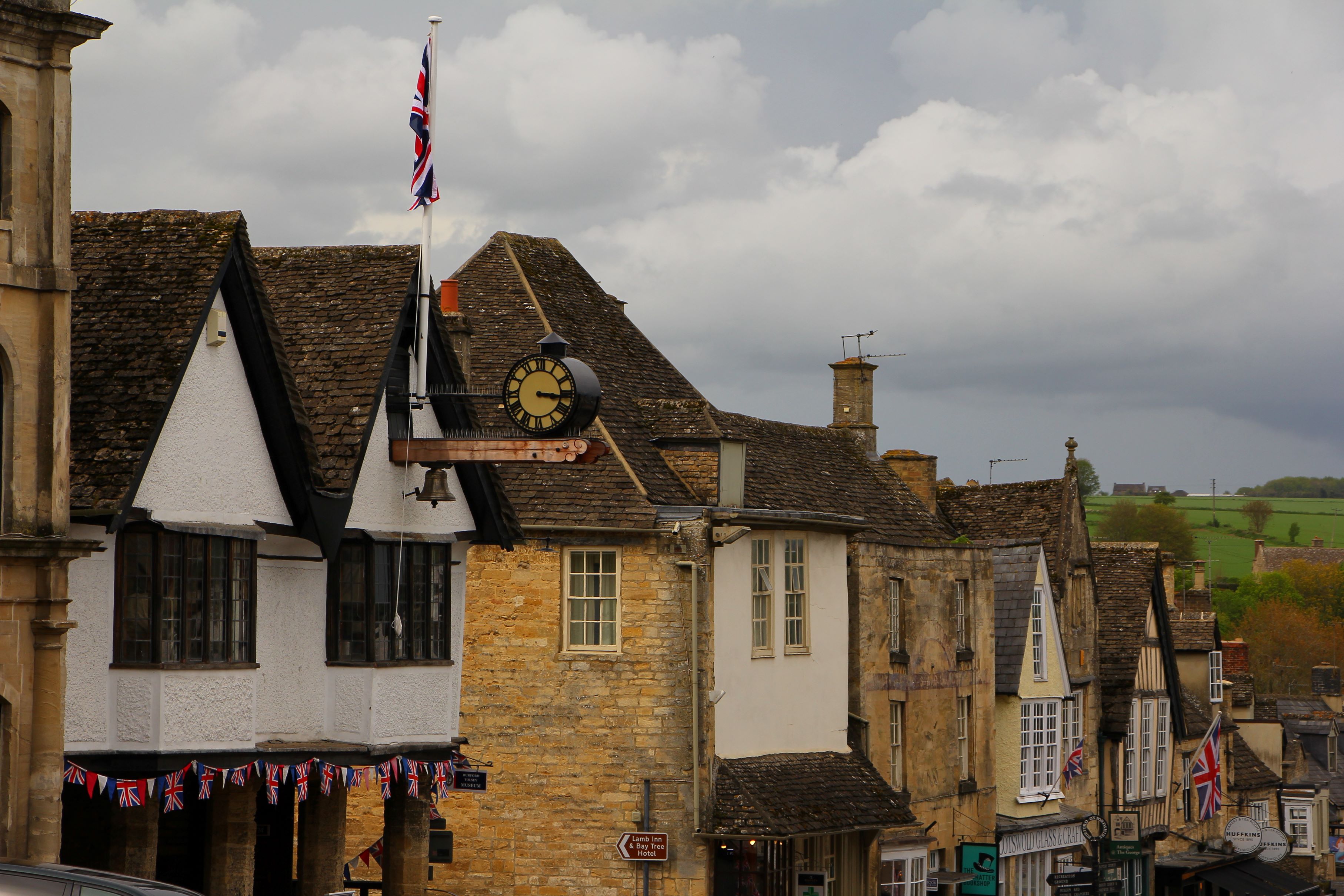
We didn’t have long so we spent the majority of our time taking a turn along High Street.
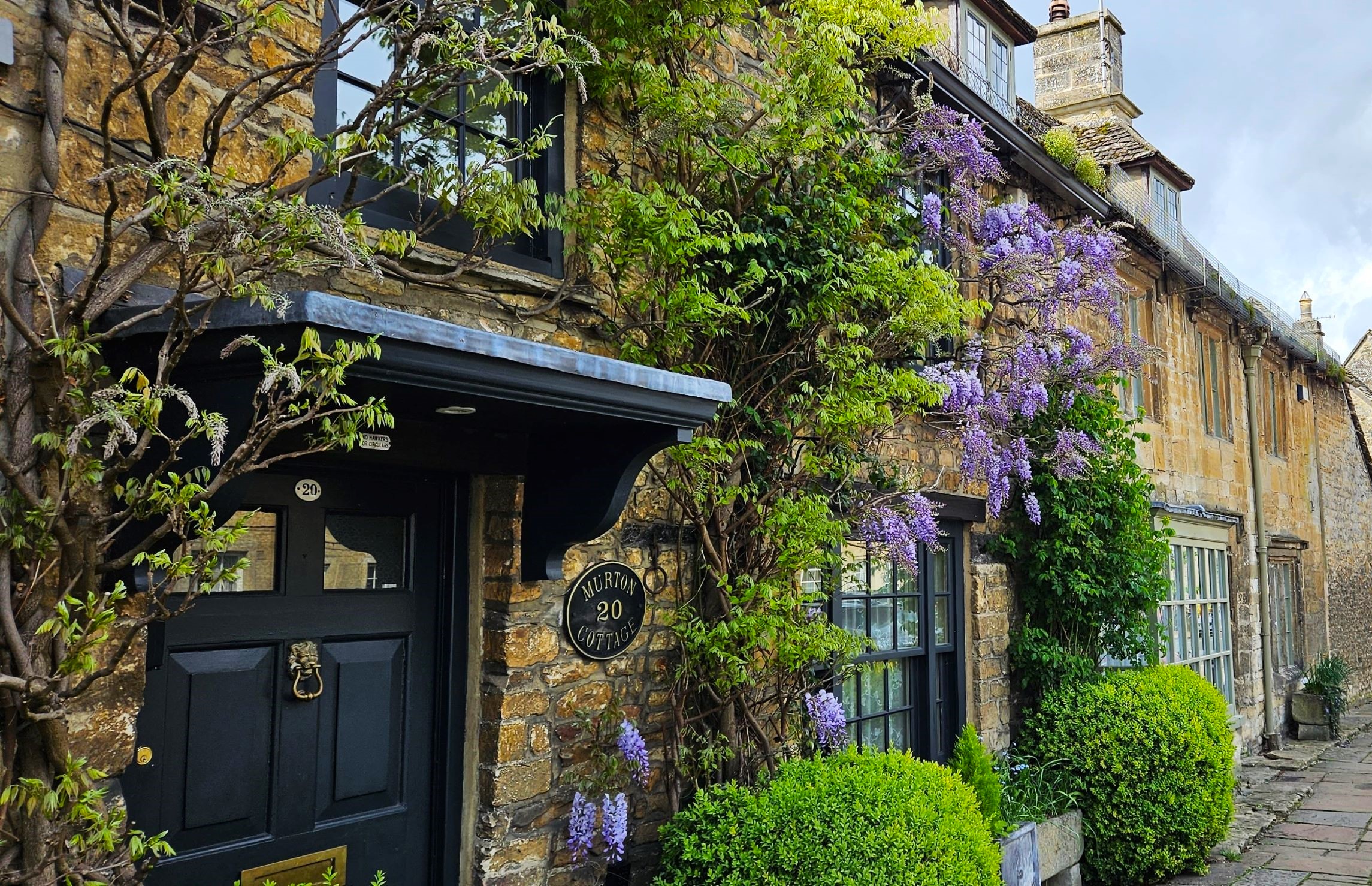
The buildings were quintessential Tutor style and captured the stylings indicative of the Cotswolds and the English countryside. We paused briefly at Tutor market house number 124 – the oldest pharmacy in England dating back to 1734! – and to take pictures of the homes and gardens along the way.


Our time in the Cotswolds was very brief, but I enjoyed the two villages we explored and would love to go back and experience more of this area.
We learned about a self-guided walking tour you can take from village to village, which would be a great way to see more of the countryside as well. I think that just might go on the bucket list!
 Heather's Compass