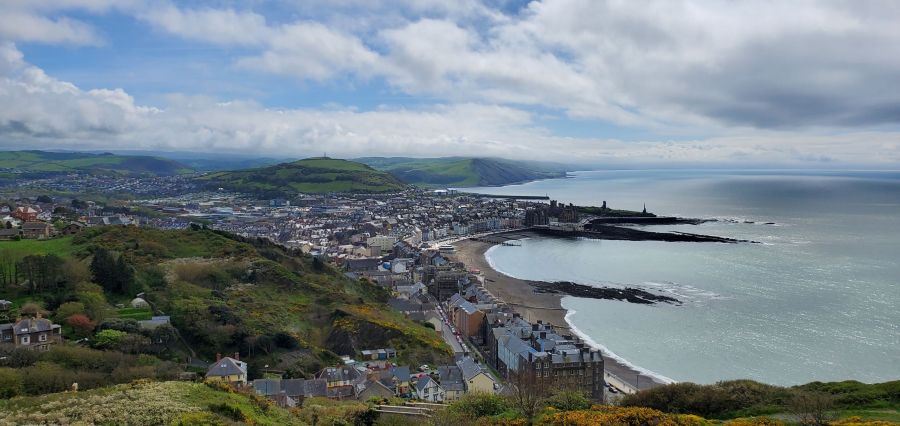
One of our more leisurely days in Wales was relocating from the northern part of the country to the southern part of the country via a drive along the Cambrian Coast.
While enjoying the drive and the changing terrain was our main goal, we did make a couple stops along the way.
Our first stop was in Caernarfon, a port town not far from Conwy, to check out Caernarfon Castle. While we thought Conwy Castle was in good shape, this UNESCO world heritage site was even more so. I was thrilled there was an option to pay for an audio guide tour so we could learn more about the history.
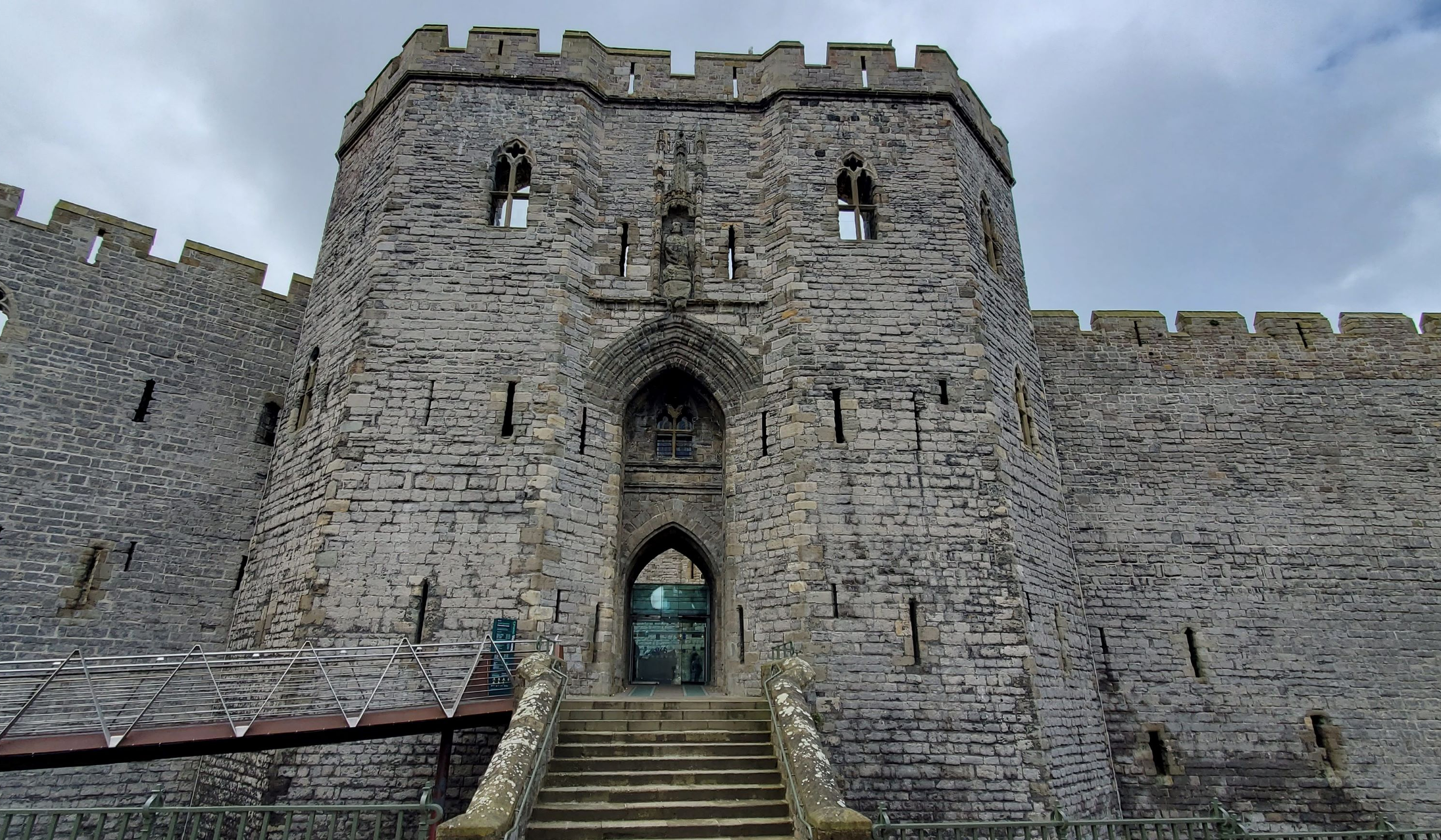
Caernarfon Castle is recognised around the world as one of the greatest buildings of the Middle Ages. This fortress-palace on the banks of the River Seiont is grouped with Edward I’s other castles at Conwy, Beaumaris and Harlech as a World Heritage Site. But for sheer scale and architectural drama Caernarfon stands alone. Here Edward and his military architect Master James of St George erected a castle, town walls and a quay all at the same time. This gigantic building project eventually took 47 years and cost a staggering £25,000.
The castle was born out of bitter war with Welsh princes. So of course its immense curtain walls and daunting King’s Gate were designed to withstand assault. But the polygonal towers, eagle statues and multi-coloured masonry sent a more subtle message.
https://cadw.gov.wales/visit/places-to-visit/caernarfon-castle
In addition to the audio guide tour, there was a video in one of the towers about how this area changed over time, in particular the Welsh-English battles leading up to England’s hostile takeover of Wales. I’ve learned about England’s dynamics with Ireland and Scotland and welcomed the opportunity to learn more about its tumultuous history with Wales.
We were able to explore freely throughout the main courtyard, where there were a number of sculptures, tools, canons, and other historical items with information plaques. We climbed up most of the towers for views of the castle grounds as well as the surrounding area, and we were particularly interested in the unique tower on the western side of the castle that has an unusual three turret configuration.
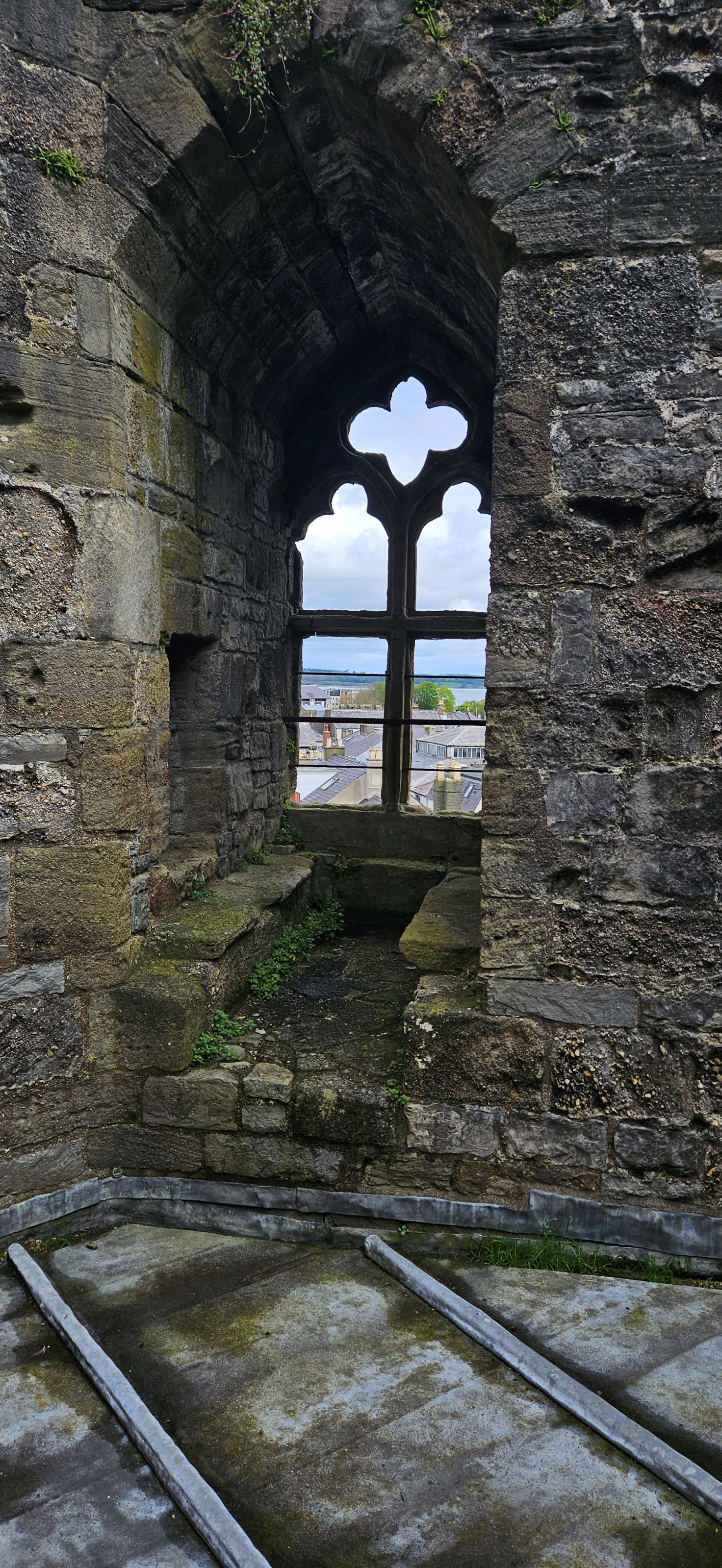
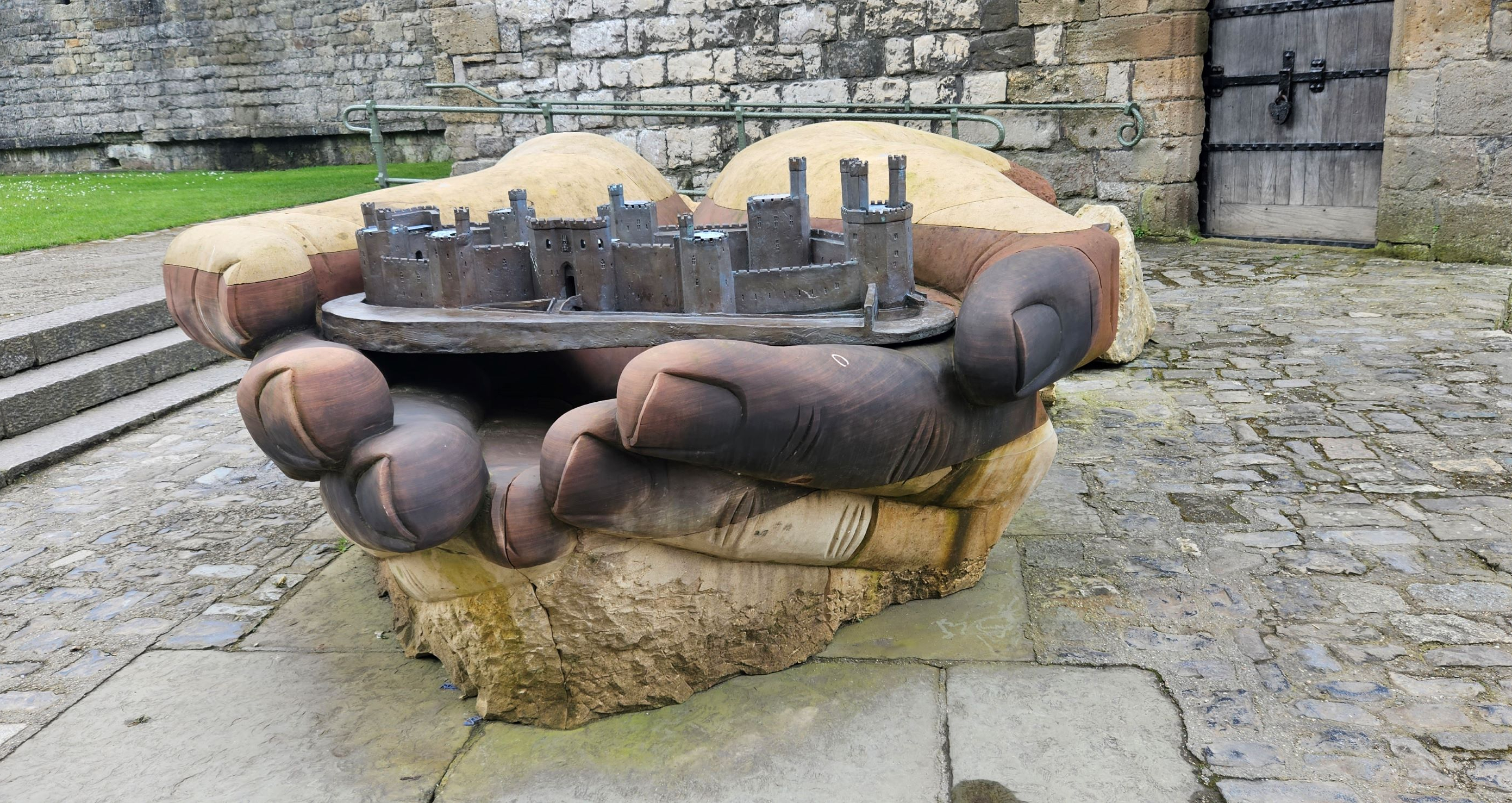
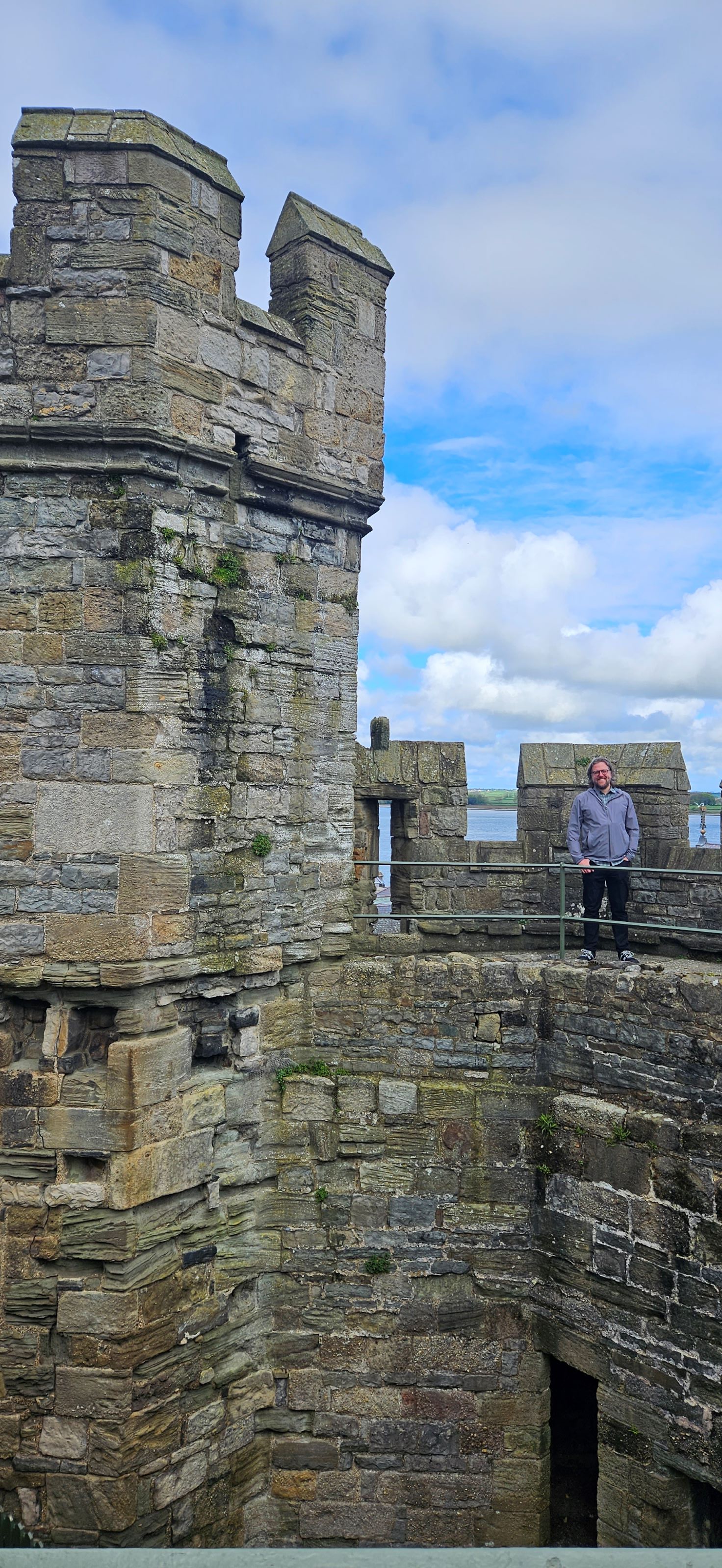
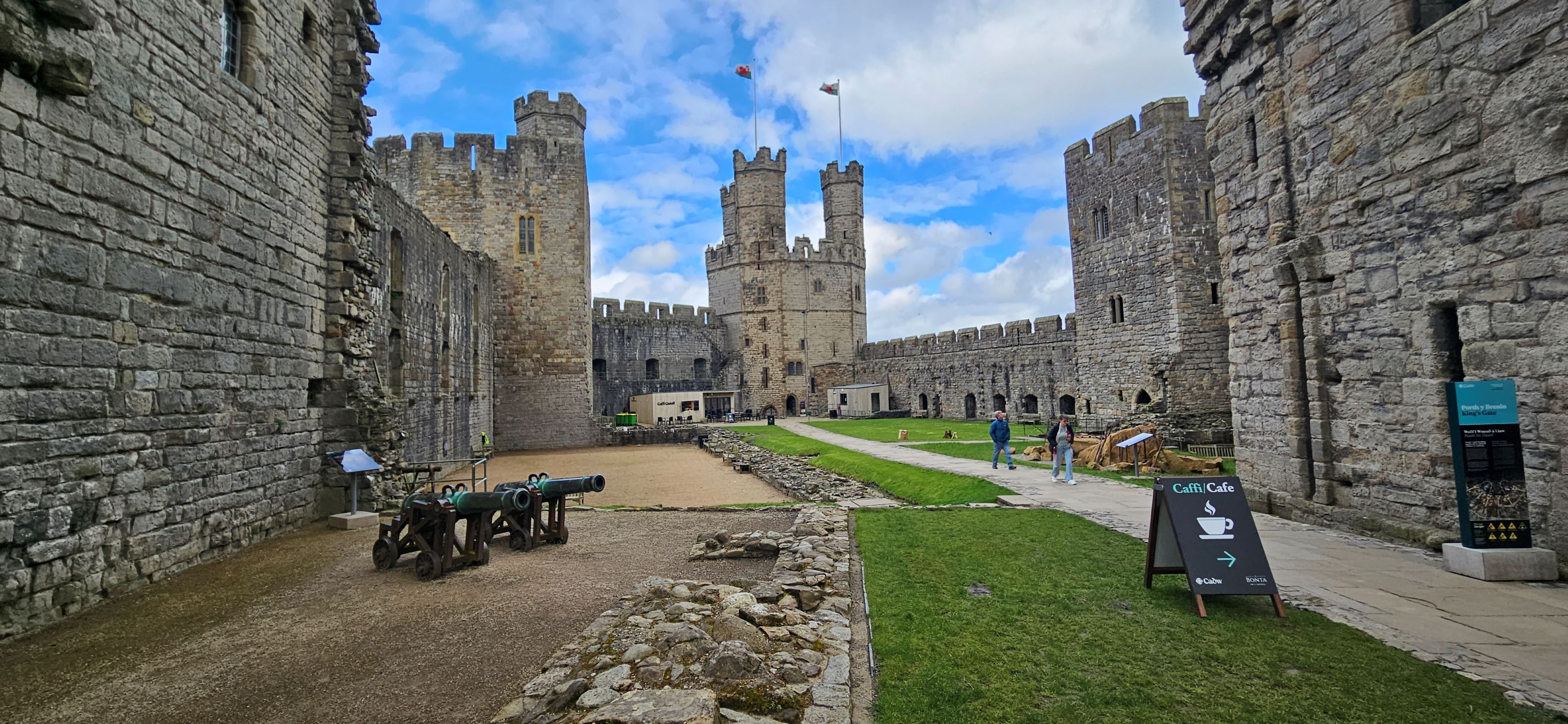
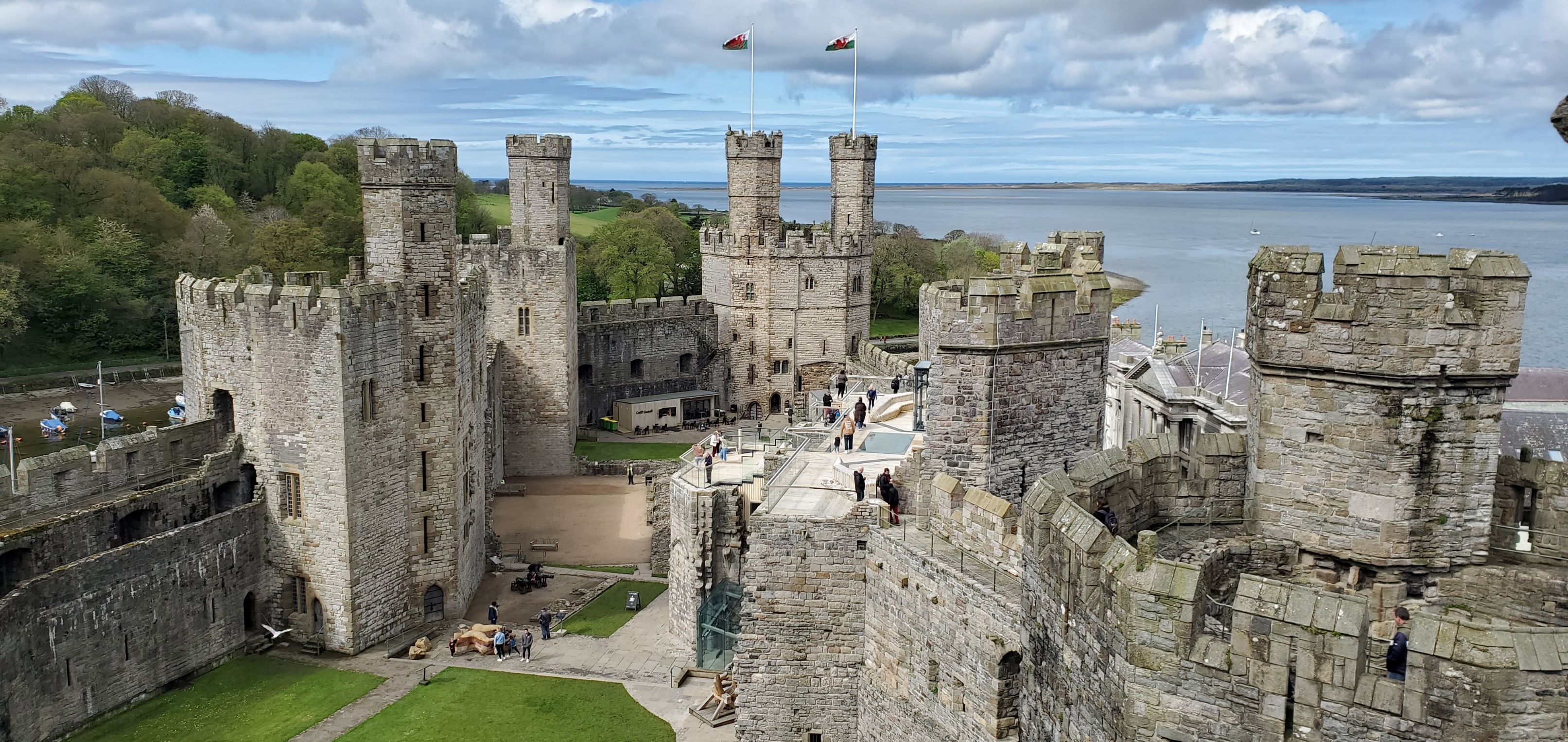
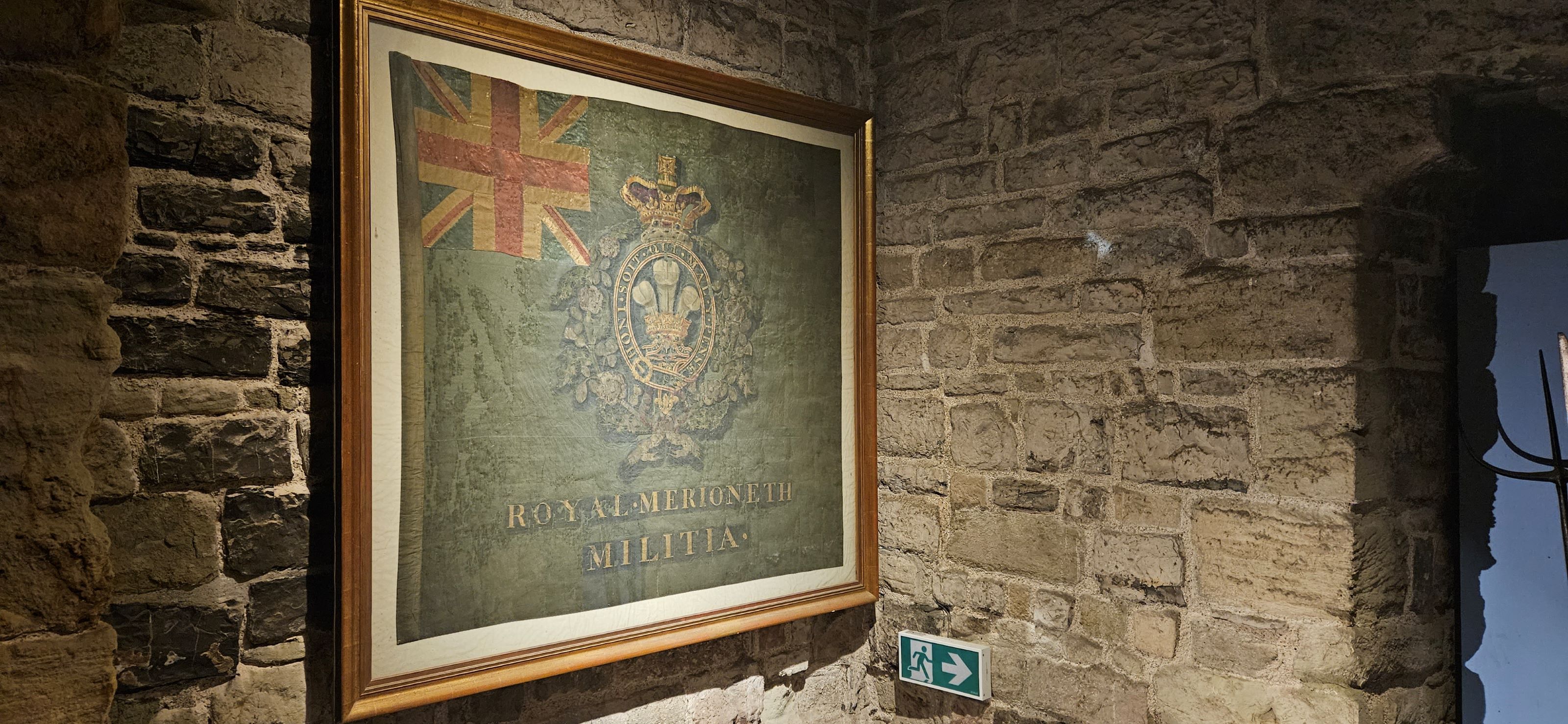
Elsewhere throughout the walls and towers were a museum about the Royal Welch Fusiliers Museum – honoring Wales’ oldest infantry regiment – as well as other artwork, sculptures, and information about the castle’s history.
You could easily spend an entire day here if you wanted to absorb all of the information!
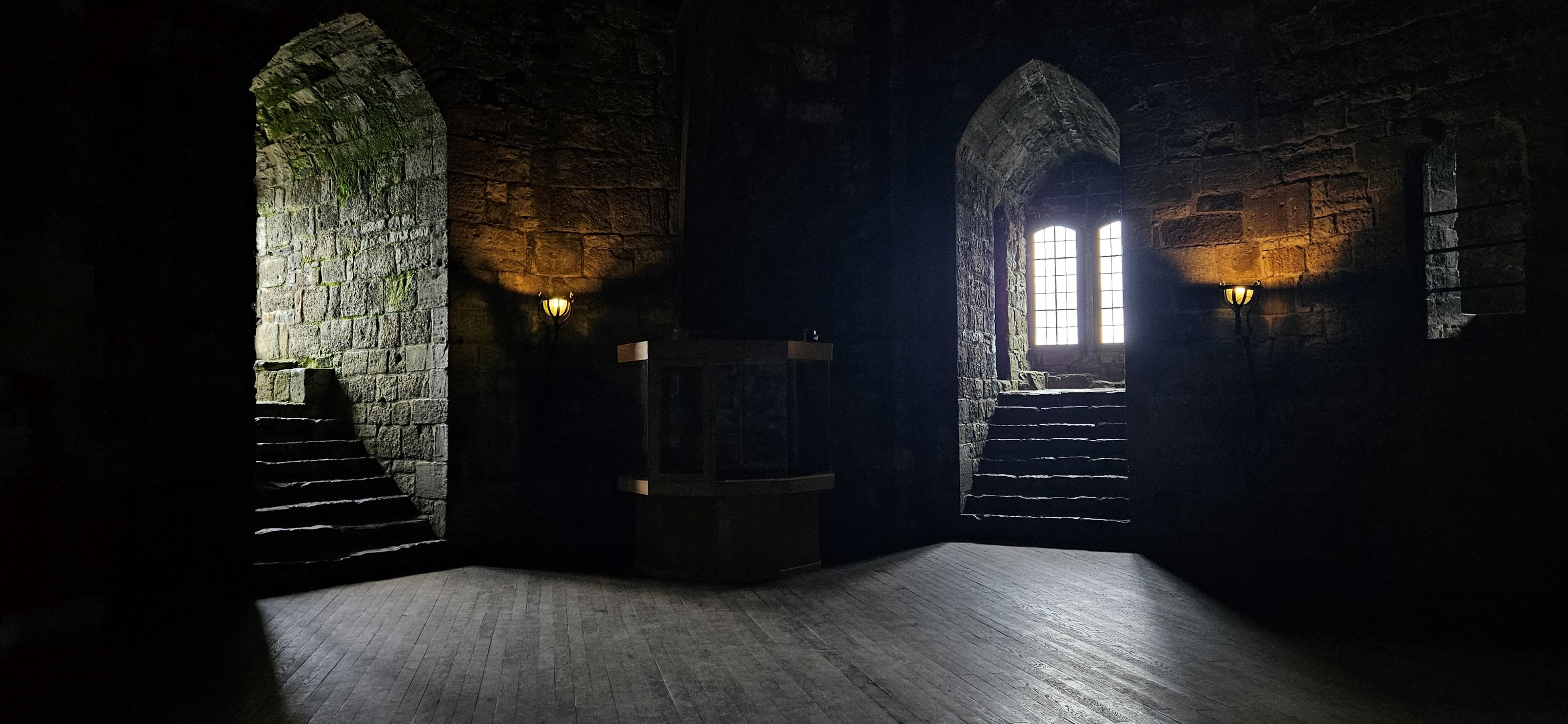
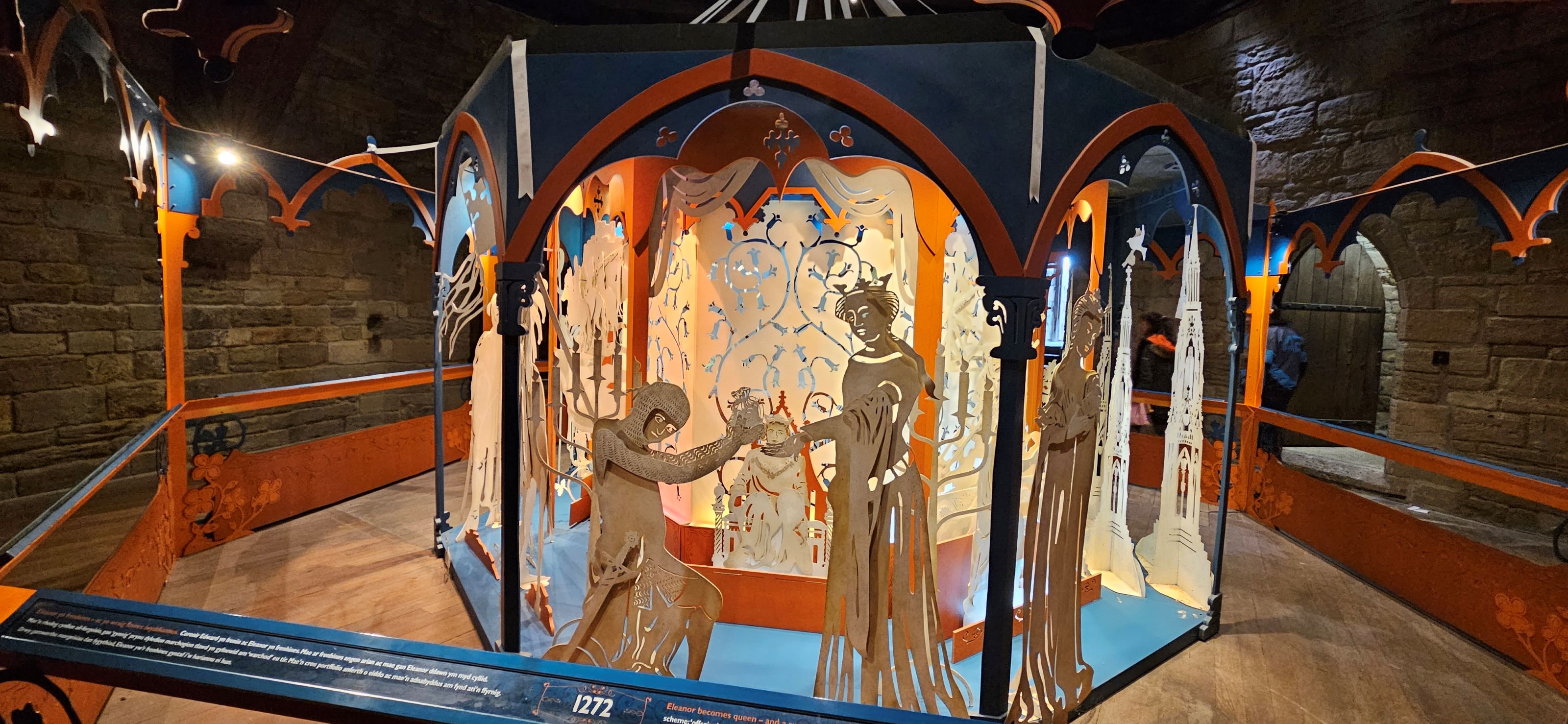
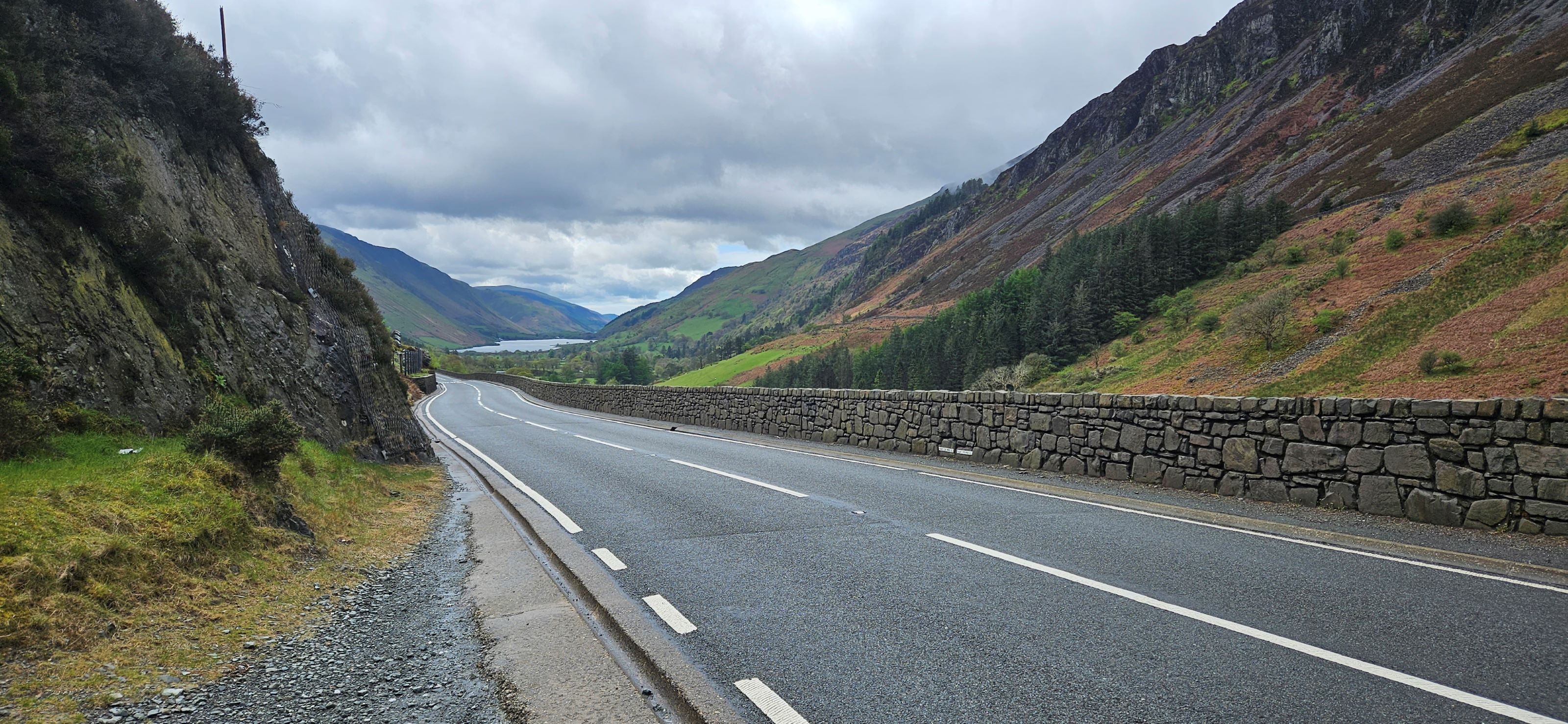
From the castle we headed south winding out and back from the water through the mountains.
While the cloud cover ebbed and flowed, it was a beautiful area to pass through on our way to the southern coast.
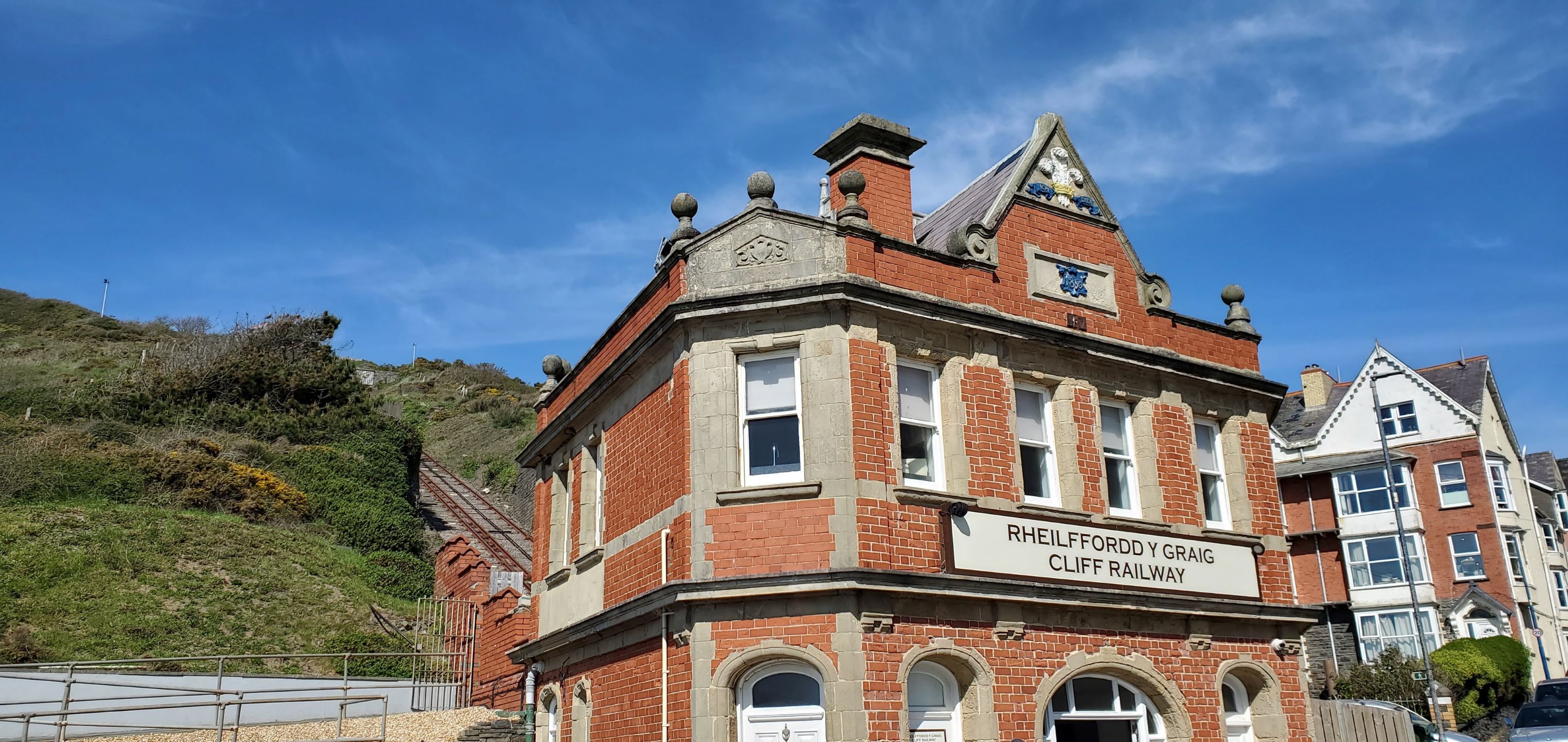
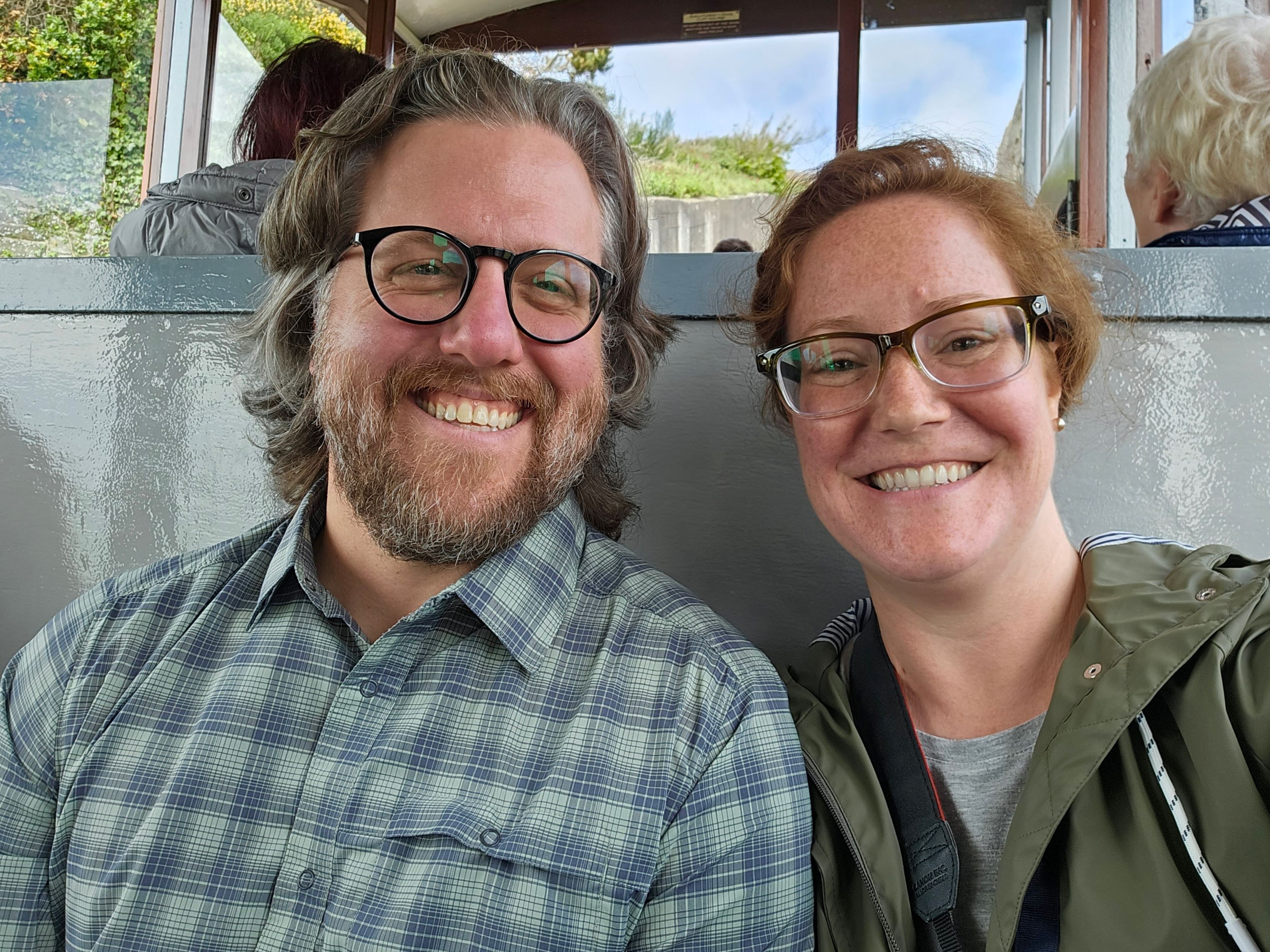
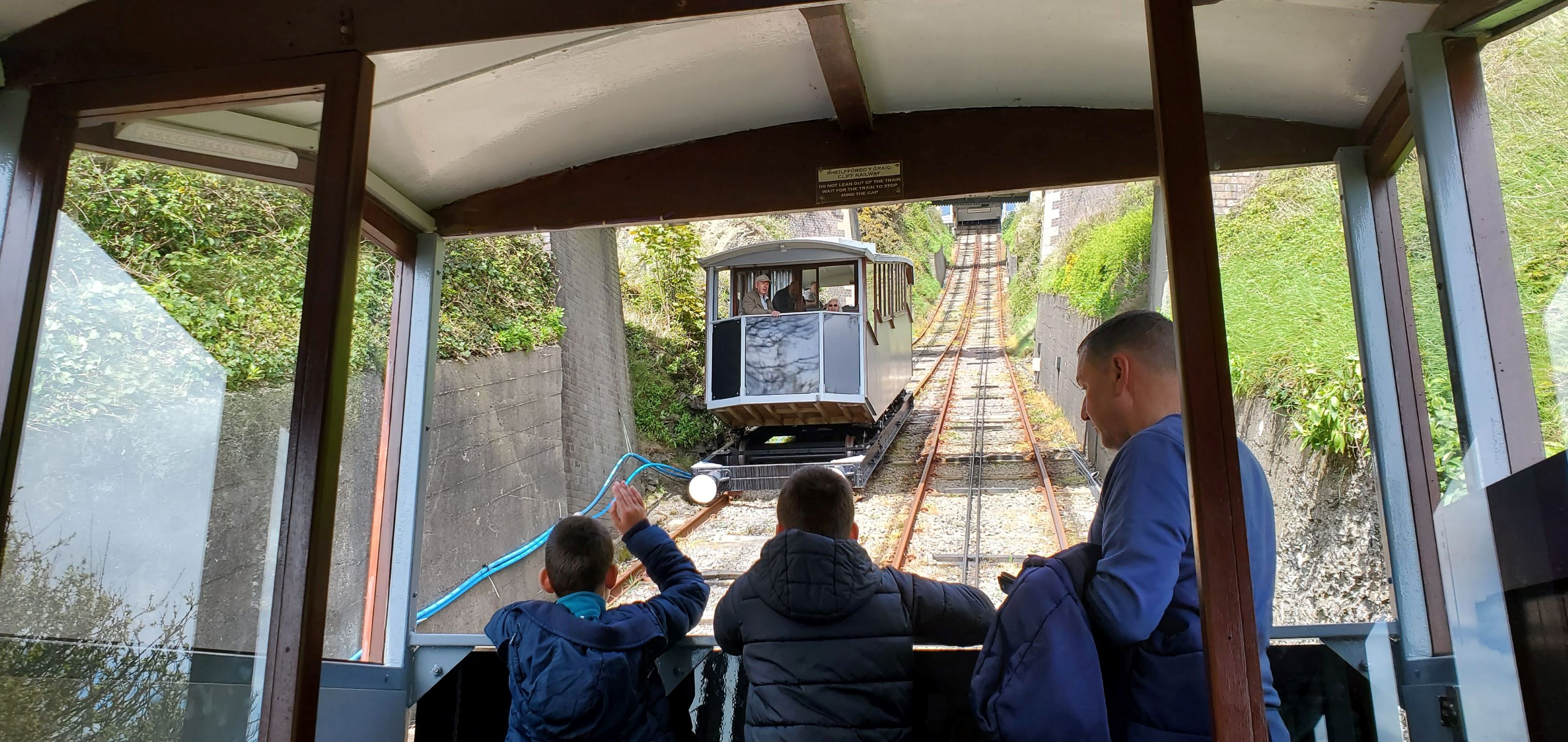
Another fun stop was at the Rheilffordd y Graig (Aberystwyth Cliff Railway), the longest electric funicular cliff railway in Britain.
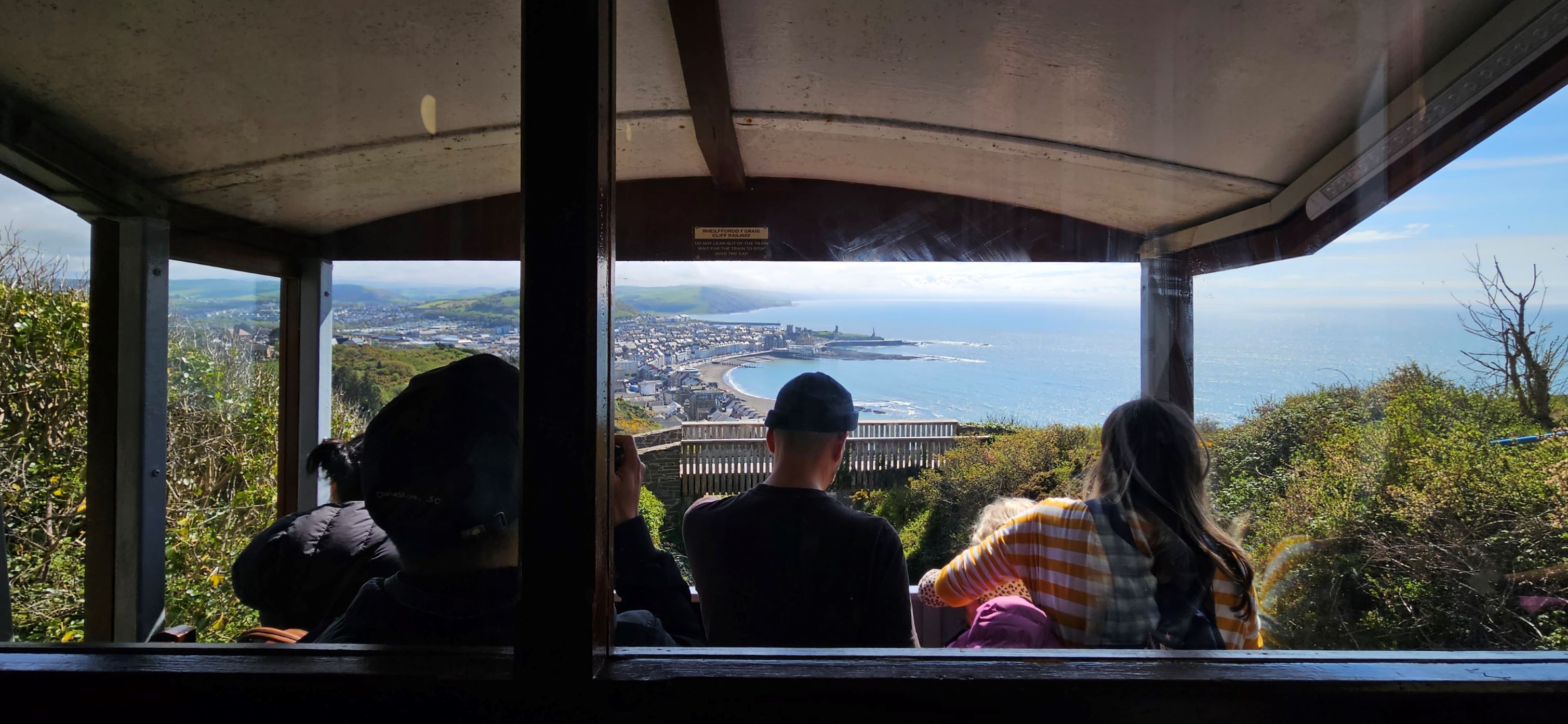
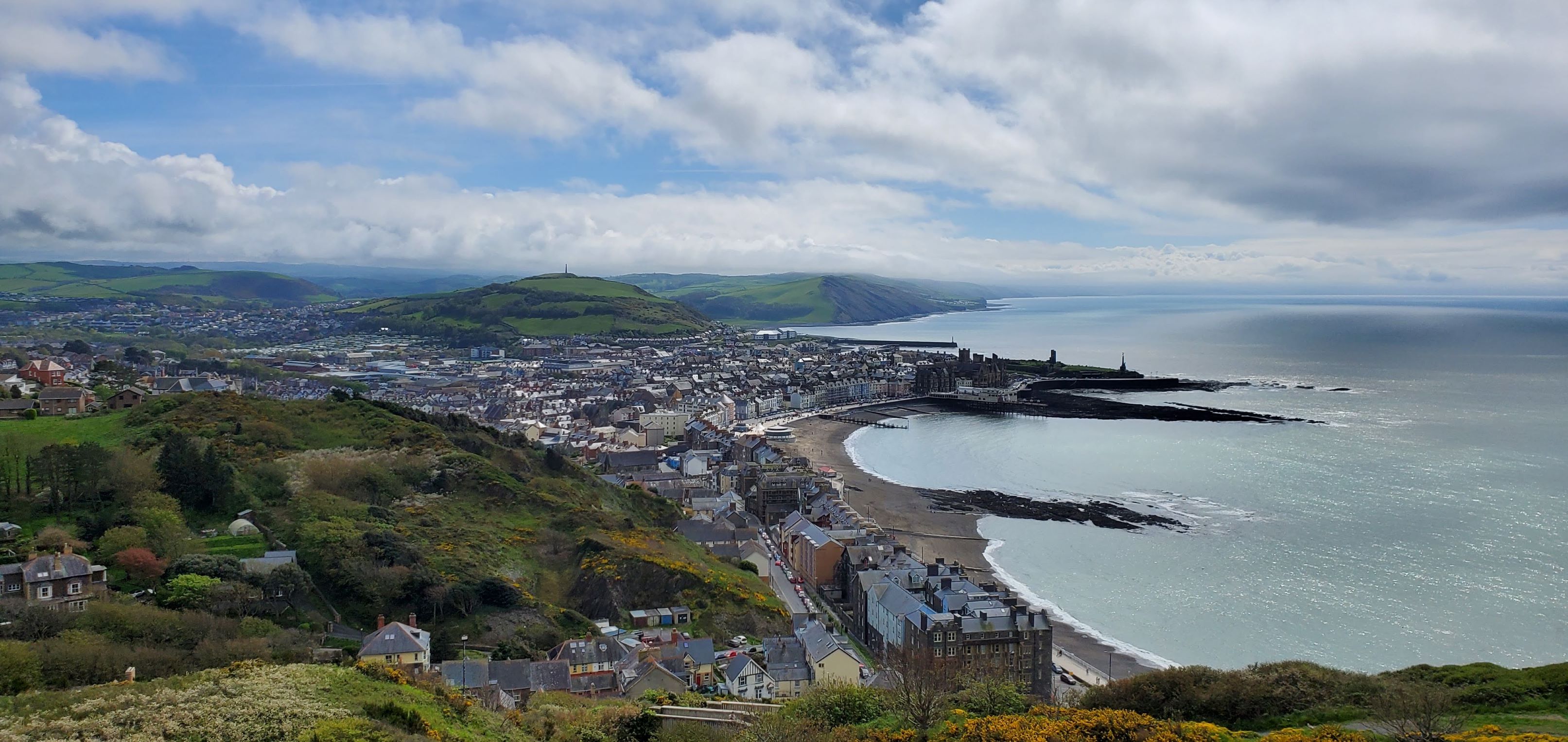
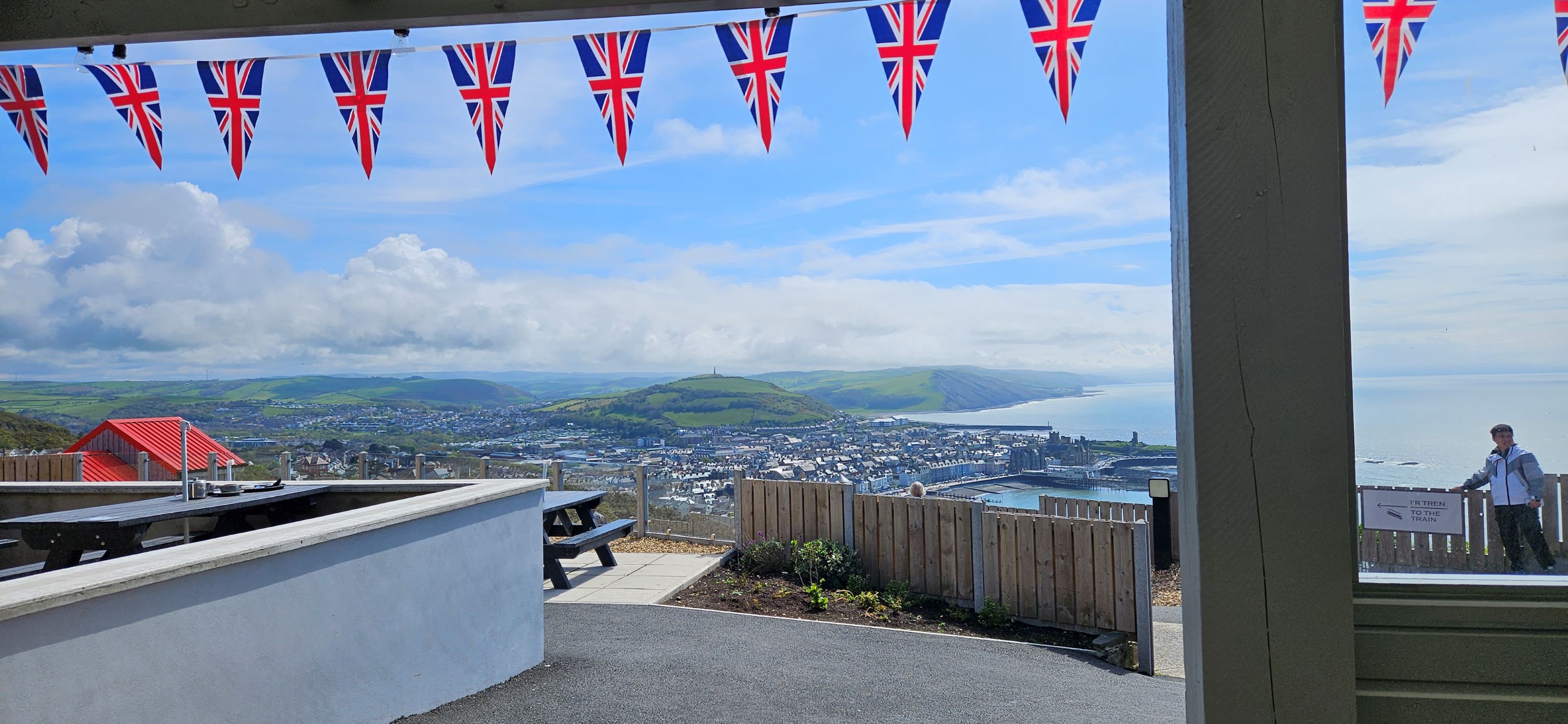
Built in 1896, the railway takes tourists to the top of Constitution Hill where there’s trails, a restaurant, gift shop, and incredible panoramic views of Aberystwyth and Cardigan Bay.
The funicular travels 778 feet on a track that at moments cuts through deep rock. The carriages have nice benches and face out for awesome views as you make the 4 mile per hour journey up and back.
The original version operated on a water balance system, and in 1921 it was electrified. Since then there have been other modifications to make the entry, carriages, and experience at the top wheelchair friendly.
The sun was shining so we opted to take a late lunch on the covered patio of the restaurant where we could enjoy the view.
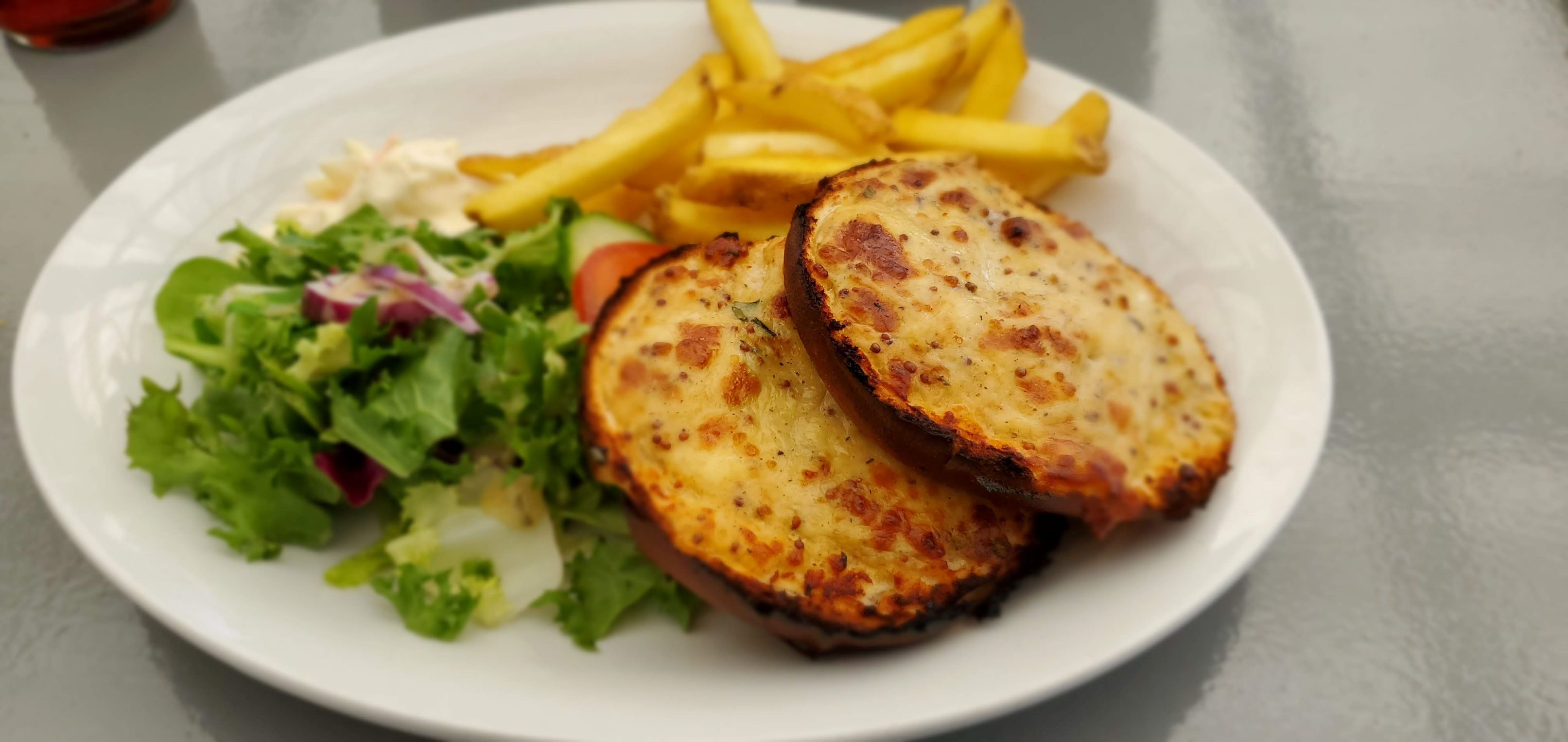
We shared one of the dishes on our list – Welsh Rarebit – some desserts, and an interesting dandelion and burdock soda.
Although it was a bit of a travel day, I really enjoyed our drive along the Cambrian Coast and getting a very small glimpse into mid-Wales. It’s an area of the country we’ll have to explore further next trip!
 Heather's Compass
Pingback: Itinerary: One Week in Wales – Heather's Compass